Navigating Surprising Cost Phone Solutions
This guide delves into obtaining communication devices and services without cost implications for those eligible. A variety of service providers offer these amenities as part of government-backed initiatives targeting low-income individuals. This article provides insight into applying for such programs, elucidates the available services, and outlines eligibility criteria to streamline acquisition.
Understanding Affordable Cost Phone Solutions
In today's fast-paced world, connectivity is crucial. Recognizing this necessity, several government-backed programs offer surprising cost phones and related services to eligible individuals. This article explores how these initiatives work, how you can benefit from them, and the broader implications of access to affordable communication technology. We will delve into existing programs, the challenges faced by low-income individuals without modern communication tools, and the potential improvements that come with these accessible solutions.
The Importance of Connectivity
In a society increasingly defined by digital communication, having access to a phone and the internet is no longer a luxury—it’s a necessity. From job applications and online education to healthcare appointments and social services, connectivity plays a pivotal role in accessing vital resources. People who lack digital access often face hurdles that perpetuate their socio-economic challenges. This foundational understanding reinforces why initiatives such as the Lifeline program and the Affordable Connectivity Program exist, and why they are essential for fostering inclusivity in our modern world.
Key Providers and Their Offerings
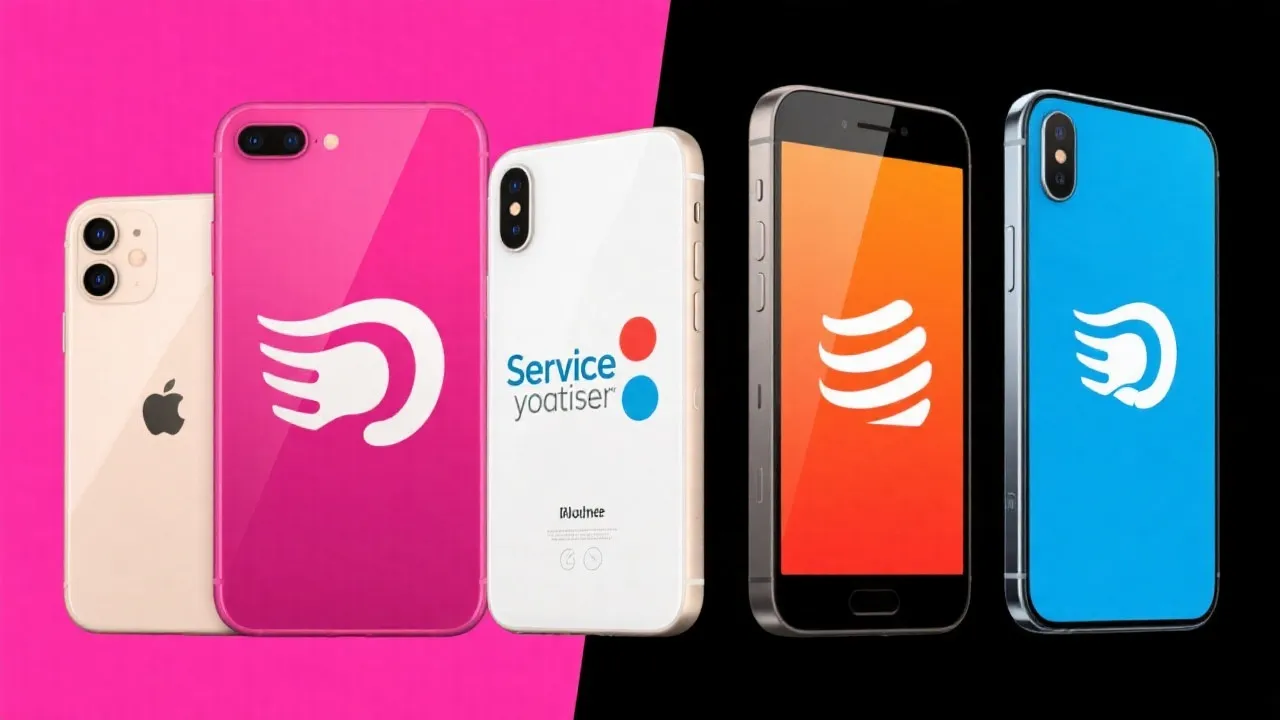
Several key players provide phones and services under government programs. Here's what you can expect from these providers:
| Provider | Affordable Services Included | Optional Paid Features |
|---|---|---|
| SafeLink Wireless | Unlimited text, calls, and data (plan-dependent) | Premium device upgrades, additional data |
| Assurance Wireless | Affordable Android smartphone, unlimited talk and text, data allowances | High-speed data, international calling |
| StandUp Wireless | Unlimited talk, text, and data plans | Premium phone upgrades, extra data |
| Access Wireless | Unlimited voice, text, limited high-speed data | Data boosts, device upgrades |
| True Wireless | Affordable government-supported phones, voice, and data plans | Upgraded devices, extra data plans |
For further details, visit the respective websites of these providers. Each provider has slightly different offerings, and understanding these can help individuals choose the best plan suited to their needs. For example, younger individuals or students may benefit from higher data options for streaming educational content, while older adults may prioritize voice calls over data usage.
Source: [SafeLink Wireless](https://www.safelinkwireless.com), [Assurance Wireless](https://www.assurancewireless.com), [StandUp Wireless](https://standupwireless.com/), [Access Wireless](https://www.accesswireless.com), [True Wireless](https://www.gotruewireless.com/)
Eligibility Criteria and Application Process
The eligibility to receive a phone supported by government programs generally aligns with specific income thresholds or participation in federal assistance programs. Here’s what you need to know:
- Income: Your income must be at or below 135% of the federal poverty guidelines for Lifeline support, or 200% for the Affordable Connectivity Program (ACP).
- Government Programs: Participation in programs such as Medicaid, SNAP, SSI, or FPHA often qualifies an individual. Residing on Tribal lands can provide additional benefits.
- Other Criteria: Some providers might have additional local criteria; check their specific requirements.
Application Process:
Applying for a surprising cost phone generally involves these steps:
- Determine your eligibility based on income or current participation in an applicable government program.
- Visit the provider's website and fill out the online application.
- Submit the necessary documentation to prove eligibility, such as a copy of your benefits card or a tax return.
- Wait for confirmation from the provider regarding your application status.
This innovative initiative ensures those in need have access to today's digital world, which enhances communication and access to essential services. The thoroughness of the application process underscores the importance of verifying eligibility, ensuring that those who genuinely need assistance are serviced first.
FAQs
What is the Lifeline program?
The Lifeline program is a federal initiative offering discounts on phone services to qualifying low-income consumers. It aims to bridge the gap between those with and those without access to essential communication.
How do I know if I'm eligible?
Eligibility is based on income or participation in certain assistance programs. You can check your status directly on the provider's site or through the Federal Communications Commission (FCC) website, which provides comprehensive information on the requirements.
Are there any costs involved?
While basic services are covered, additional features like device upgrades or extra data may incur charges. Always read the terms of service carefully to understand potential costs.
What if I don’t qualify for these programs?
If you don’t qualify for Lifeline or ACP, explore local community programs or non-profits that may offer subsidized services. Many cities have organizations dedicated to increasing technological access to low-income families, and applying for government assistance programs could still be a useful avenue to explore.
Can I keep my current number?
Yes, in most cases, you can keep your existing phone number when switching to one of the providers under the Lifeline program. This process is called ‘porting’ your number, and you would typically need to request this during your application process.
Further Implications of Affordable Phone Solutions
Understanding affordable phone solutions extends beyond mere connectivity; it touches on education, healthcare, employment, and even social integration. The implications of having access to a phone contribute significantly to enhancing quality of life and breaking the cycle of poverty.
The Role of Phones in Education
As education increasingly shifts towards remote learning, especially in the wake of the COVID-19 pandemic, having access to smartphones and data enables students to take part in virtual classrooms. Many educational resources are now available online, and phones can be a vital tool for students who may not have computers at home. Teachers can assign materials that students can access via their phones, and parents can communicate with educators regarding their child's progress and needs.
Healthcare Access
Telehealth services have surged in popularity and necessity, allowing individuals to consult healthcare providers without needing to travel. For low-income families or those living in remote areas, having a reliable phone and internet connection can mean that healthcare is just a call or click away. Appointments, referrals, and medication management become streamlined through communication technologies, reducing barriers caused by distance or lack of transportation.
Employment Opportunities
Having a phone is often a prerequisite for job hunting today. Employers frequently require a contact number for interviews and communication. With affordable phone solutions, job seekers can apply for positions, communicate with potential employers, and receive notifications about job postings or interviews without worrying about whether they can afford a phone plan. This access can open doors to employment opportunities that may have otherwise remained closed.
Social Integration and Community Engagement
A phone allows individuals to stay connected with their communities, fostering relationships and support networks that are essential for emotional well-being. Social media platforms and messaging apps enable friends and family to keep in touch, while local community organizations frequently share information and resources through these channels. Being engaged with one’s community can combat feelings of isolation, significantly impacting mental health.
The Broader Economic Impact
Investing in affordable phone solutions has broader economic implications as well. When more people have access to technology, the overall productivity of the workforce increases. This, in turn, leads to a healthier economy where individuals can contribute more directly through employment. Companies that offer flexible work options, including remote work facilitated by accessible communication tools, can tap into a broader talent pool of individuals who may have previously been excluded from the labor market due to connectivity issues.
Challenges and Considerations
Despite significant advancements, challenges remain in ensuring equitable access for all individuals. Here are some considerations to keep in mind:
Technological Literacy
Even with access to technology, not everyone may feel comfortable using it. A substantial age divide exists in terms of comfort with smartphones and apps, which can leave older generations at a disadvantage. Providing educational resources, workshops, or mentorship programs can help bridge this gap and ensure everyone has the skills they need to take advantage of affordable phone programs.
Data Privacy and Security
With the increase in technology use comes the necessity to navigate data privacy and security concerns. Individuals need to understand how to protect their personal information when using their devices. This involves educating users on recognizing phishing attempts, using secure passwords, and understanding the privacy policies of the apps they download and use.
Sustainability of Programs
The longevity of government-assisted programs is vital. Changing political climates and funding structures can pose threats to the continuation of initiatives like Lifeline. Advocacy at both state and national levels is essential to maintain and grow these programs to ensure that future generations also benefit from affordable connectivity solutions.
Conclusion
Affordable phone solutions represent more than just reduced communication costs; they symbolize the opportunity for greater social and economic participation among underserved populations. By leveraging programs like Lifeline and the Affordable Connectivity Program, eligible individuals can gain access to essential services that improve their quality of life across numerous dimensions. Continued investment in these initiatives, coupled with community education and awareness, is paramount to ensuring everyone can benefit from the connectivity that is so critical in today's world. Through collective efforts, society can move towards a more inclusive model that values and supports every individual, regardless of their socio-economic status. The pathway to equity lies in collaboration, understanding, and the shared goal of ensuring everyone has a voice.
Disclaimer: The information above comes from online resources, accurate as of October 2023. This website cannot guarantee that applicants will receive a government phone or benefit. For specific application requirements, please refer to the official provider standards. This website will not be updated in real-time.