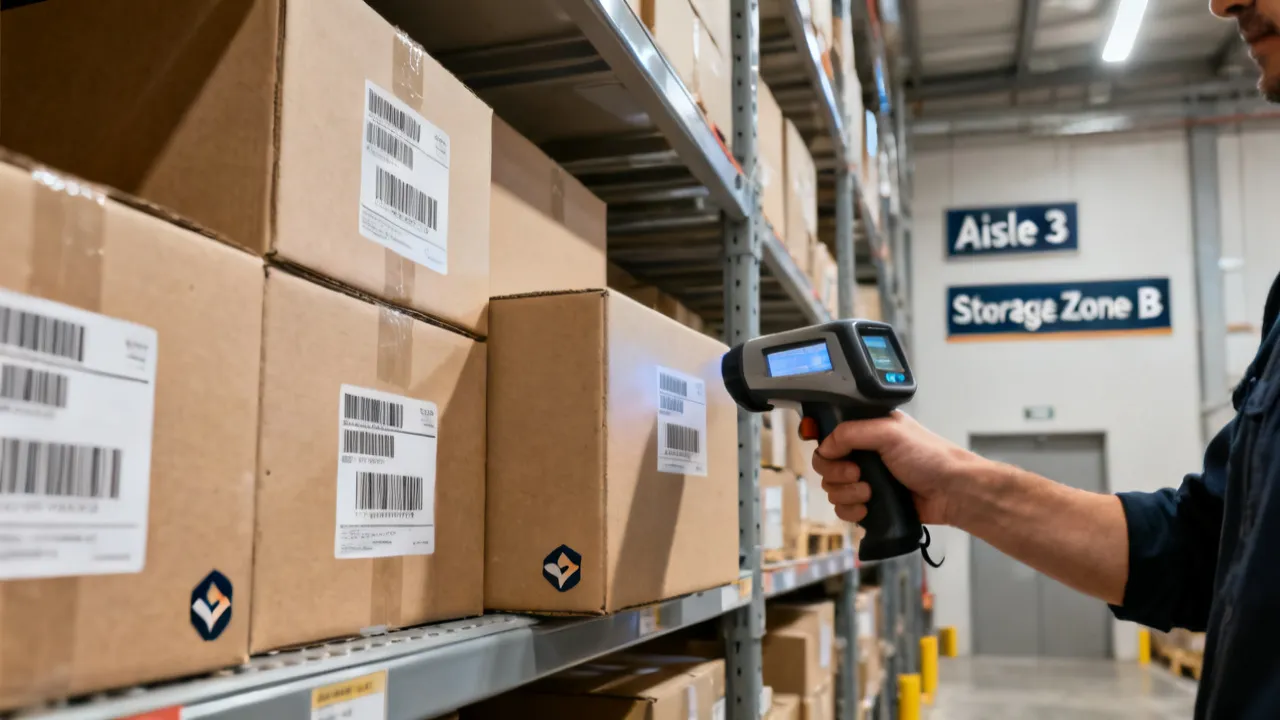
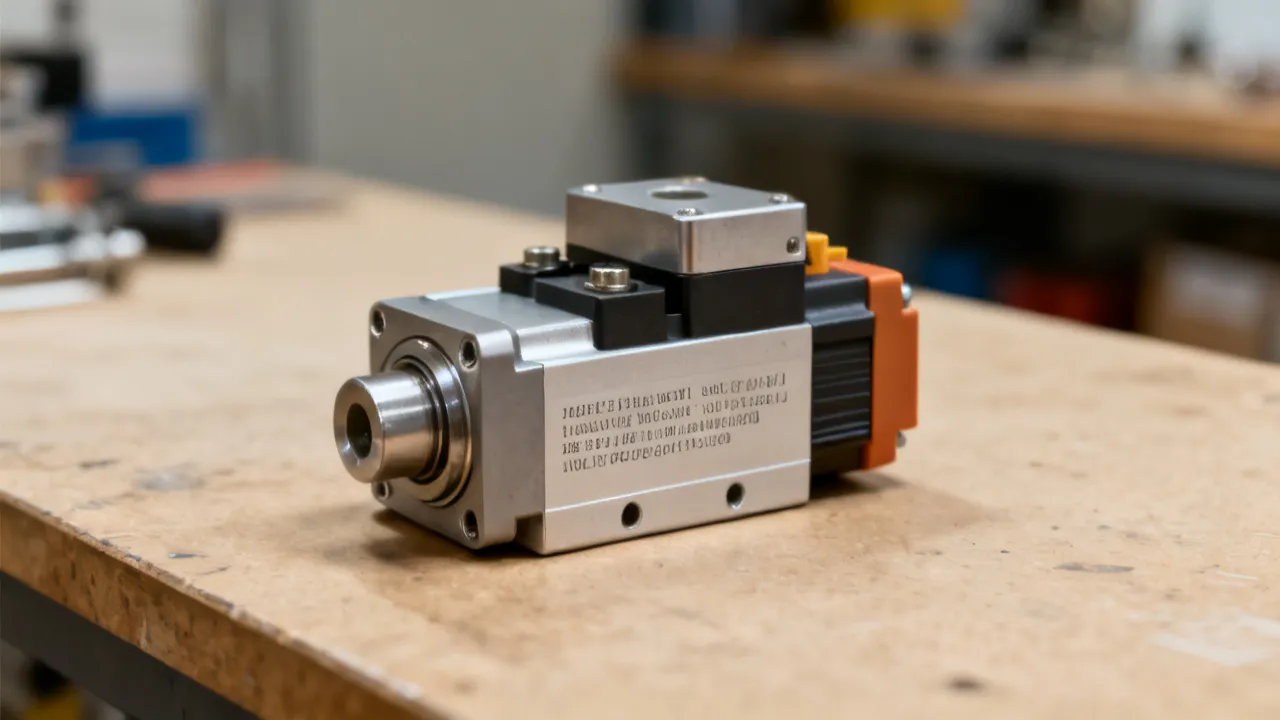
Understanding 95999028383 Procurement, Supply, and Pricing
This guide explains how to evaluate procurement options and pricing when the identifier 95999028383 is involved, focusing on supplier verification, cost drivers, and delivery constraints. Objectively, the keywords relate to sourcing decisions where reliability, documentation, and clear terms matter. Readers will learn a structured approach to comparing suppliers, assessing compliance, and reducing procurement risk.
Immediate Takeaways for Procurement Decisions
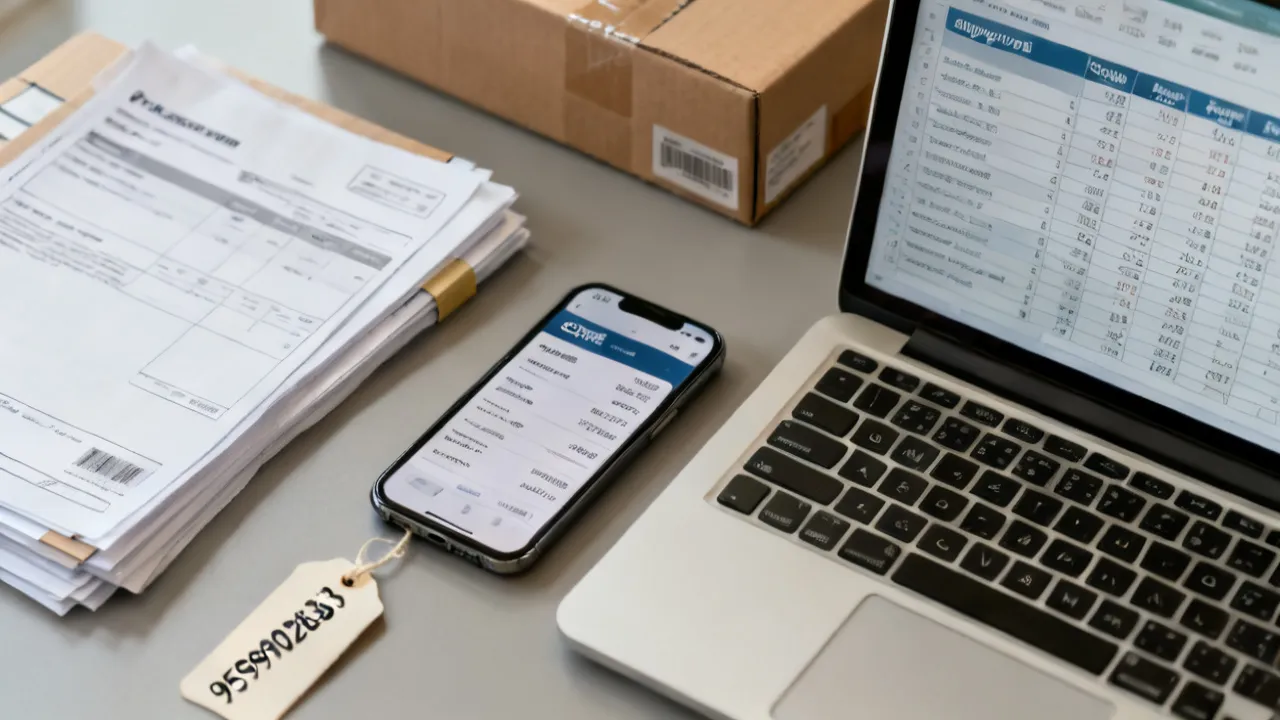
When you encounter 95999028383 alongside sourcing and pricing terms, treat it as a starting point for verification—not as the final authority. Many procurement teams have learned the hard way that a numeric identifier may look definitive while still being ambiguous in practice. The same number format can be used for different record types across different companies, systems, or even departments. Therefore, the very important step is to confirm what the identifier refers to (for example: an internal reference, an item code, a shipment batch ID, a quotation revision number, or an order confirmation reference). After you confirm its meaning, validate supplier capacity, delivery timelines, and documentation before committing to a purchase.
Pricing should also be assessed as a total cost of ownership, not only the face value. A “good price” can become expensive if it excludes freight, customs duties, inspection activities, compliance documents, replacement parts, rework, or warranty handling. In other words, procurement decisions are rarely won or lost on unit price alone; they are decided by how well the entire commercial package holds up under reality—lead time, quality conformance, documentation accuracy, and the contract’s conditions when things go wrong.
Why “Supplier + Price + Verification” Must Be Treated as a Single Question
Procurement workflows often fail at the intersection of three factors: what you think you are buying, who will supply it, and what you will ultimately pay after all conditions apply. Identifiers like 95999028383 can be useful for traceability, but they can also appear in contexts that differ across companies—such as quotation reference numbers, product SKUs, logistics labels, packing slip references, or shipment batch tags. Therefore, an objective evaluation requires structured confirmation of scope, terms, and deliverables.
From an industry standpoint, procurement buyers typically seek to answer these questions, often in parallel rather than sequentially:
- Scope clarity: What exactly is included in the quote (specifications, packaging, testing, lead time, acceptance criteria, labeling, compliance documentation)?
- Supplier reliability: Does the supplier provide verifiable credentials, quality controls, and consistent fulfillment practices? Are they capable of producing the requested configuration, not just the general product category?
- Pricing integrity: Are costs broken down transparently (unit price, freight, duties, handling, documentation fees, inspection/testing charges, and any surcharges)?
- Risk management: Are there measurable mitigations for delays, nonconformance, order changes, and documentation defects?
When procurement teams treat these as separate questions—“Is the supplier good?” “Is the price low?” “Does this identifier match?”—they may fill in gaps with assumptions. The assumption that the identifier “means the same thing” across systems is a common failure point. Instead, the process should treat supplier selection, pricing conditions, and verification of scope as a single integrated question: Does this supplier offer this exact deliverable, at this total landed cost, under terms we can enforce, and can we trace it end-to-end?
Interpreting the Keywords: How They Usually Function in Procurement Contexts
You provided placeholders for additional keywords—represented here as blank strings—along with a clear numeric identifier: 95999028383. In many real procurement systems, keyword-like terms (such as “supplier,” “price,” “quote,” “availability,” “delivery,” “incoterms,” “lead time,” “tare weight,” “certificate,” or “inspection”) function as operational levers. They typically indicate where information is sourced from: supplier catalogs, pricing tables, inventory systems, ERP line items, logistics carriers, or even compliance platforms.
Even without the literal keyword phrases displayed, the pattern is clear: the guiding concept is evaluating sourcing options where pricing and supplier terms must be aligned with the meaning of the identifier. In practical terms, this means you should verify the record behind 95999028383, then confirm that the supplier’s quote and lead time correspond to the same item, batch, configuration, or scope.
To make this concrete, consider how different systems might use similar patterns:
- Identifier as a quote reference: The number might correspond to RFQ responses, including a particular revision. If you take it at face value, you could accidentally purchase from an outdated revision.
- Identifier as an item code: The number might represent a SKU with multiple variants (dimensions, voltage ratings, packaging options). If you don’t cross-check the specification fields, “the same code” might still deliver a different configuration.
- Identifier as a shipment batch tag: It could represent a manufacturing run, meaning the physical goods trace back to that run. If you match it incorrectly to the quote, you could accept goods that do not correspond to the contracted tolerance or inspection plan.
- Identifier as an order number: If the number is the order confirmation, it should appear consistently on invoices, packing slips, shipping confirmations, and certificates. If it doesn’t, administrative mismatches can delay clearance or trigger holds.
Therefore, “keywords” in procurement are not merely descriptive—they often signal the data structure and the chain of custody for verification. The procurement buyer should verify the data model: what record the identifier points to, what fields define scope and cost, and how those fields carry through the lifecycle from request to delivery and acceptance.
Cost Drivers: What “Price” Usually Really Includes
Professionals rarely treat the stated price as the complete truth. A quote’s headline figure can differ significantly from the final payable amount because of cost drivers that are sometimes hidden in conditions or embedded in optional selections. Even if the supplier’s “unit price” looks favorable, your total spend can increase due to shipping method changes, documentation requirements, inspection failures, or payment term discounts being unavailable.
Common cost drivers include:
- Logistics and handling: Freight mode (air/sea/land), packaging requirements, insurance, warehouse handling, palletization, labeling services, and liftgate or special loading charges.
- Regulatory and documentation: Customs paperwork, certificates of origin, material declarations, labeling compliance documents, bilingual packaging labels, and documentation fees.
- Quality assurance: Inspection reports, testing costs, audit fees, acceptance sampling, and rework policies (for example: who pays for replacement or additional testing after nonconformance).
- Order complexity: Custom specifications, multiple line items, split shipments, partial deliveries, engineering change requests, and change management fees.
- Timing: Expedite fees, overtime production costs, production scheduling constraints, or lead-time volatility premiums.
To keep evaluation objective, compare quotes with apples-to-apples line items. Procurement teams often normalize quotes by forcing comparable structures: unit price, quantity break, packaging cost, freight and incoterms, duties and taxes treatment, compliance documents, and inspection/acceptance costs. If the supplier cannot provide a transparent breakdown, you may end up paying for uncertainties later—typically through amendments, delayed shipments, or additional charges that weren’t visible at the time of PO approval.
One practical tactic is to define “cost completeness.” For example, you might require each quote to include: (1) the base unit price; (2) all mandatory charges to deliver to your defined receiving location; (3) all documentation that is mandatory for customs and acceptance; and (4) all inspection/testing charges that are part of the contracted acceptance criteria. Charges outside those categories can be treated as optional or as change-order items that require explicit approval.
Supplier Evaluation: Beyond “Can They Supply?”
A strong procurement assessment addresses both capability and consistency. When 95999028383 appears in your workflow, it’s often tied to a record that should connect to supplier identity, item specifications, and fulfillment terms. That record should be auditable. If it isn’t, it’s difficult to defend the commercial decision or to recover costs when problems occur.
Key supplier evaluation criteria commonly used in industry include:
- Documented quality management: Clear inspection methods, traceability processes, corrective action procedures, and evidence of repeatable manufacturing or service delivery.
- Traceability readiness: Ability to map orders, batches, or shipments to the identifier used in procurement. This includes the supplier’s ability to produce batch records or certificates matching the PO reference.
- Delivery performance evidence: Historical fulfillment accuracy and realistic lead-time commitments. Not just “we can deliver,” but “we delivered what we promised with acceptable variation.”
- Commercial terms transparency: Clear Incoterms (or equivalent shipping terms), refund/return conditions, change policy, and explicit statement of who owns risk during shipping.
For compliance and process rigor, many organizations align to recognized quality and supply-chain frameworks. For example, ISO 9001 provides a widely used quality-management structure, and ISO/IEC guidance supports information security practices when procurement records and supplier data must be protected. However, procurement teams should still confirm that certification is relevant and current for the specific scope of the supplier’s capability. A certificate without relevant scope coverage or evidence of current operations may not be enough.
Additionally, supplier evaluation should consider operational interfaces. Even a good supplier can cause procurement problems if their documentation practices are inconsistent. For instance, if packing lists use a different numbering system than your PO, receiving teams may reject the delivery due to mismatch. If certificates don’t match batch identifiers, your compliance team may hold the goods. Supplier evaluation should therefore include their ability to integrate documentation and numbering conventions with your organization’s procurement and inbound processes.
Checklist for Using 95999028383 in Real Buying Decisions
Before approving a purchase order linked to 95999028383, validate the chain of meaning from request to shipment. Below is a practical approach procurement teams use to reduce misalignment risk. The goal is not only to confirm that a number exists, but to confirm that the number points to the correct commercial and technical record and that it appears consistently across documentation.
- Confirm the identifier’s role: Ask whether 95999028383 is a quote reference, SKU/item code, order number, or shipment batch ID. Request screenshots or exported documents that show how it is used.
- Match specifications: Verify item description, technical specs, allowable tolerances, packaging requirements, and any certifications. Ensure the identifier points to the correct configuration (including variant attributes like grade, dimension, material composition, voltage rating, color, coating, or model revision).
- Verify supplier identity: Confirm legal entity name, address, and contact responsible for the order. If your organization uses supplier master data, confirm the identifier maps to the correct vendor record.
- Compare quote structure: Request line-item pricing and conditions (freight, taxes/duties treatment, documentation, inspection, and payment terms). Compare to your internal requirements so the quote is “complete” for apples-to-apples evaluation.
- Validate lead time and capacity: Ensure production schedule assumptions match your timeline and inventory needs. Ask whether lead time is firm or subject to conditions such as material availability or order volume.
- Check compliance documents: Request certificates, material declarations, inspection reports, and required labeling details. For regulated categories, confirm the documents are issued by qualified personnel and reflect the same batch or order reference.
- Review acceptance criteria: Define what constitutes “pass,” what happens on nonconformance, and who covers costs of rework. Ensure acceptance criteria are measurable and not vague (for example, define test methods and required results).
- Confirm traceability after delivery: Ensure shipped documents and labels reference the same identifier record where applicable. Cross-check packing list, invoice, certificate(s), and shipping confirmation against the PO scope and your defined identifier mapping rules.
In practice, procurement teams often apply this checklist as a “gating” mechanism: you do not approve a PO until you have confirmed scope, terms, and traceability requirements. The identifier then becomes a bridge connecting those confirmations, rather than a standalone number used for convenience.
Compliance and Risk: Conditions/Requirements You Should Expect
Procurement contracts typically include conditions that determine how price and delivery behave under real-world changes. While the exact terms depend on your industry and region, you should expect structured requirements such as:
- Payment terms: When payment becomes due, acceptable payment methods, invoice requirements, invoice currency, and discount eligibility conditions (for example, early payment discounts).
- Delivery terms: Who owns risk during transit, based on defined shipping terms such as Incoterms. Also include details like freight mode, shipping schedule, partial shipment allowances, and delivery location responsibilities.
- Change control: How scope changes affect price and schedule. This should specify how engineering changes, quantity changes, and spec updates are requested and approved.
- Acceptance window: How long you have to inspect and report discrepancies, including how disputes are raised and what evidence is required.
- Dispute resolution: The process and timeline for claims, nonconformance, or delays. Specify roles, evidence requirements, escalation path, and remedies such as replacement, credit, or repair.
Procurement teams also look for commercial clarity around responsibility. For example, if a documentation error occurs, who corrects it? Is the correction done at no cost to the buyer? Are there fees for re-issuing documents? These questions matter because a documentation problem can delay receiving, create inventory holds, and increase administrative overhead. The contract should define remedies and timelines so that the supplier is incentivized to resolve issues promptly.
These are not legal advice, but they represent the practical controls procurement professionals rely on to maintain budget and operational continuity. If the contract’s conditions are missing or ambiguous, enforcement becomes expensive. Even if you “win” the dispute, delays can cause operational losses that are difficult to recover.
Comparison Table: How to Evaluate Supplier Options (No Links)
Use this comparison approach when you have a supplier shortlist and a reference such as 95999028383 to anchor the scope. This is designed to keep evaluation structured and auditable, especially when multiple internal stakeholders are involved and when you need to justify decisions to finance, compliance, or auditors.
| Evaluation Dimension | What to Check | Why It Matters for Price and Delivery |
|---|---|---|
| Identifier Traceability | Does the supplier’s documentation connect to 95999028383 for the same item/batch/scope? | Prevents shipping the wrong batch or applying the wrong quote terms and reduces administrative holds. |
| Pricing Breakdown | Is unit price separated from freight, handling, inspections, documentation, and compliance fees? | Reveals true cost and prevents surprise charges after PO placement. |
| Quality Evidence | Are inspection reports, test results, and acceptance criteria clearly provided and aligned to the PO scope? | Reduces rework and warranty/claim risk; supports faster acceptance. |
| Lead Time Realism | Is lead time tied to capacity, material availability, and current production schedules? | Protects production plans and prevents expedited-cost triggers. |
| Commercial Terms | Are return/refund, change control, and dispute processes explicit (and consistent with your internal templates)? | Improves controllability when scope or delivery issues occur, reduces dispute costs. |
| Documentation Accuracy | Do invoices, packing lists, and shipping documents match the order scope and identifier mapping? | Minimizes customs clearance delays and administrative holds; reduces receiving rejects. |
| Communication Path | Is there a named commercial and technical point of contact responsible for clarifications? | Shortens response time for clarifications and corrections; reduces downtime risk. |
To further strengthen auditability, some organizations convert the table into a scoring matrix. Each dimension can be rated based on objective evidence: presence of documentation, clarity of breakdown, evidence of quality controls, and documented acceptance criteria. You can then record why the winning supplier scored highest—not only that they were cheapest.
Source Anchors (Objective References to Support Procurement Controls)
For readers who want objective grounding, consider widely recognized standards and authoritative guidance used in quality and procurement governance. While standards do not automatically guarantee performance, they provide structure for building controls and evidence.
- ISO 9001: Quality-management principles that support consistent process control, traceability readiness, and corrective actions.
- World Trade Organization (WTO): General transparency and trade principles relevant to international procurement documentation and trade procedures.
- ISO/IEC 27001: Information security management concepts (useful where procurement records and supplier data must be protected from access errors, integrity issues, or unauthorized changes).
Note: The above references support process quality and governance rather than offering numeric “market performance” claims that could vary by region and sector. Procurement decisions still depend on supplier-specific evidence, scope alignment, and enforceable contractual terms.
In a practical procurement environment, standards also guide how you store and manage evidence. For example, you might define retention policies for quotes, purchase orders, change orders, packing lists, certificates, and inspection reports. When a number like 95999028383 is involved, you want the evidence chain to remain intact and searchable so that future disputes can be resolved with factual documentation rather than memory.
Step-by-Step Procurement Workflow (Where 95999028383 Fits)
Below is a step-by-step guide to integrate an identifier like 95999028383 into your sourcing workflow. This approach is designed for consistency and audit readiness. The identifier is treated as a traceability key that binds together upstream requests, supplier responses, commercial agreement, and inbound acceptance results.
- Record intake: Capture the identifier (95999028383) in your procurement system with the request date, buyer, and linked RFQ/RFP reference (if any). Store it as a defined field (for example: “Supplier Quote Ref” or “PO Reference”) rather than only embedding it in free text.
- Supplier onboarding check: Confirm supplier legal identity and verify whether they have the required compliance documents for your product category. Ensure the supplier is active in your master vendor list and that the correct entity will issue the invoice.
- Scope lock: Ensure the item description and specifications linked to 95999028383 match what you intend to purchase. Confirm that any revision indicators (model version, spec change, packaging change) are accounted for.
- Quote normalization: Convert quotes into comparable formats by requesting line-item cost breakdown and identical deliverable definitions. Normalize terms such as freight mode, inspection scope, documentation types, and acceptance criteria.
- Risk review: Identify where schedule risk and quality risk might influence total cost (e.g., inspections, acceptance window, change fees, and the likelihood of documentation errors). Determine mitigation actions like pre-shipment inspection, sample approval, or tighter document controls.
- Approval gate: Proceed only when pricing and delivery terms are consistent with scope and acceptance criteria. If there are gaps, record them as “pending clarifications” with deadlines to avoid last-minute surprises.
- Order placement: Place the purchase order referencing the same identifier record where your system supports it. Ensure the PO line items mirror the normalized quote fields and that the identifier appears on the PO in a consistent format.
- Inbound verification: On receipt, cross-check packaging, documents, and the identifier references before accepting goods. Verify that the supplier’s certificates and test reports match the PO and the expected batch/run where applicable.
- Close-out: Document outcomes, track discrepancies, and feed lessons learned into future quoting cycles. Update internal templates to prevent recurrence—especially if the supplier repeatedly mislabels identifiers or compresses documentation without explanation.
Where this becomes especially important is when procurement cycles involve multiple SKU lines, optional components, or staged deliveries. In those cases, 95999028383 may be used to distinguish between configurations. If you treat it as generic or ignore how it maps to line items, you can end up accepting goods that do not meet your planned bill of materials requirements.
Some organizations also implement a “document validation” step before goods arrive. In this approach, the supplier sends a pre-shipment documentation pack including invoices (proforma), packing lists, certificates, and shipping confirmations. The buyer verifies that all reference numbers match the PO—including 95999028383. This reduces the chance of customs holds and receiving rejects.
Conditions and Requirements You Should Set in Advance
To ensure the evaluation remains objective, set baseline requirements that both internal stakeholders and suppliers can understand. The more specific you are, the less room there is for “interpretation drift.” Interpretation drift occurs when each party believes they mean the same thing, but they don’t. A common driver of interpretation drift is incomplete documentation or ambiguous wording in the quote and PO.
- Mandatory documentation: Specify which certificates and reports are required before or at shipment. Include issuance criteria (for example: certificate must reference the PO number and the batch identifier) and who must sign them.
- Inspection protocol: Define sampling, measurement methods, and who performs acceptance testing. Clarify whether inspection is at supplier premises, at destination, or by third-party labs.
- Discrepancy reporting: Set timelines for reporting shortages, damages, or spec mismatches. Include the evidence you need (photos, measurements, test results) and the required communication channel.
- Change policy: Determine how scope changes impact price, lead time, and approvals. Require formal change documentation so that verbal “agreeables” do not become unapproved commercial changes.
- Data integrity: Require that invoices and packing lists match order and identifiers (including 95999028383 where applicable). Define formatting requirements and allowed deviations.
In addition, you may want to establish requirements around packaging and handling. Packaging is often treated as a minor detail until it becomes a cost driver. Poor packaging can lead to damage in transit, which then triggers replacement, inspection duplication, and delayed production schedules. Therefore, specifying packaging format, labeling language, moisture protection, palletization, and any special handling instructions can reduce total cost and improve delivery reliability.
Similarly, you should clarify how you handle partial shipments and backorders. Some suppliers may propose split shipments without clear pricing implications. If your acceptance criteria require complete delivery within a timeframe, confirm whether partial deliveries are allowed and how they affect payment, inspection, and acceptance. If not allowed, ensure the PO includes that condition and the supplier acknowledges it.
Industry Context: Why Buyers Emphasize Process Controls
Procurement decisions are ultimately operational decisions. Even when the “price” looks favorable, weak traceability or vague conditions can convert into hidden expenses—lost production time, return shipments, administrative delays, and credibility issues with internal stakeholders. In mature procurement programs, the focus is on controllability: clear scope, transparent pricing, and enforceable terms.
From an expert perspective, identifiers like 95999028383 are very valuable when they are treated as part of an auditable chain—linking request, quote, purchase order, shipping documents, and inbound acceptance results. This is especially important when multiple SKUs, product variants, or batches exist within a single procurement cycle.
To illustrate why process controls matter, consider a scenario where a supplier ships goods referencing a different internal batch number but uses the same SKU description. If you rely on description only, the goods might appear “close enough” and get accepted. Later, during production use, you discover nonconformance to a tolerance or an expected material grade. When that happens, costs escalate: engineering investigations, production downtime, replacement procurement, waste disposal, and compliance reporting. Strong traceability controls using identifiers can reduce the probability of this chain of failure.
Process controls also reduce internal friction. Without clear verification, receiving teams may hold deliveries awaiting clarification, while finance may hold invoices awaiting PO or invoice matching. Quality teams may refuse acceptance if certificates don’t align. These “holds” create operational and cash flow impacts. Therefore, procurement buyers prioritize process controls not only to protect quality but also to protect schedule reliability and administrative efficiency.
Finally, in many organizations, procurement decisions must be defendable. When an audit occurs—whether internal or external—procurement needs to demonstrate that the supplier and pricing selected were appropriate for the scope purchased. If 95999028383 is a quote or order reference that ties the evidence chain together, then verifying it at intake is a foundational step for audit readiness.
FAQs
1) What does 95999028383 usually represent in procurement?
In practice, 95999028383 commonly functions as a reference identifier—such as a quote number, internal item code, order reference, or shipment batch label. Its exact meaning depends on your organization’s system and the supplier’s documentation. The top approach is to confirm its role with the supplier and match it to the scope and line item you intend to purchase. Do not assume the identifier always means the same thing across quotes, POs, and shipment documents; validate the mapping.
2) Should I choose a supplier based on price alone?
No. Price should be evaluated alongside total deliverable conditions: lead time, logistics costs, inspection requirements, acceptance criteria, and change/refund policies. A lower headline price may increase total cost if it leads to delays, higher inspection failure rates, or noncompliance costs. Total cost of ownership should include administrative time, risk of rework, and the cost of schedule disruption when delivery timing is uncertain.
3) How can I verify that a supplier’s quote matches my requirements?
Ask for a line-item breakdown, written specs, and documentation requirements. Then compare these against your requested scope and define acceptance criteria in writing. If the order uses an identifier like 95999028383, require that key documents reference the same scope and that the identifier appears consistently on quote documents, PO confirmations, and inbound documentation (such as packing lists and certificates where applicable).
4) What documentation should I expect for traceability?
Typically, procurement traceability involves documents such as packing lists, invoices, shipping confirmations, certificates (when applicable), inspection or test reports, and any compliance labeling records. The exact set depends on the product category, regulatory requirements, and your internal quality procedures. When 95999028383 anchors traceability, confirm the document set includes the identifiers needed to connect the order to the batch/run and to show compliance evidence aligned with acceptance criteria.
5) What should I do if delivery is late or specs differ?
Follow the contract’s change and dispute procedures. Record evidence quickly (photos, measurement results, document mismatches). Notify the supplier using your documented communication path and request corrective action or agreed remedies based on the acceptance criteria. If applicable, request an updated schedule, a nonconformance report, or replacement goods. Ensure that any new shipment references the correct identifier and that revised documents match the corrected scope.
6) Are there top practices to prevent “quote-to-receipt” mismatch?
Yes: lock scope before placing orders, normalize quote formats during comparison, require document consistency (especially identifiers like 95999028383), and perform inbound verification against acceptance criteria before approving receipt. Additionally, establish a “pre-shipment document check” when possible, so mismatches are caught before goods arrive. This reduces delays caused by reissuing certificates or correcting packing list details.
7) How do I handle incomplete pricing details?
If a supplier cannot provide a transparent breakdown of costs and conditions, request clarification before approval. Incomplete pricing often hides variable fees (freight, documentation, inspection, compliance). Require clarity so you can compare suppliers on the same total basis. If transparency cannot be achieved, consider whether you can accept the uncertainty through contractual terms (for example, by requiring capped surcharges or by defining which fees are allowed and under what conditions).
Conclusion: Treat 95999028383 as a Verification Anchor
In a well-managed procurement process, 95999028383 should function as a traceability anchor that helps confirm scope alignment from quote to delivery. The objective way to proceed is to evaluate suppliers using standardized criteria: transparent pricing breakdowns, documented quality controls, realistic lead times, and enforceable conditions. When you approach supplier and price evaluation as an integrated system—rather than isolated factors—you reduce operational risk and make decisions easier to justify and audit.
Ultimately, the value of an identifier comes from what you can prove, not from what you assume. Verification turns 95999028383 from a number on a document into a dependable linkage between commercial intent and physical delivery. When procurement teams operationalize that linkage through structured checks—scope validation, supplier verification, cost transparency, and end-to-end documentation—procurement becomes less reactive and more reliable, improving both cost performance and delivery outcomes over time.
-

A Guide to Cost-Efficient Small Electric Cars for Seniors
-
Mastering Debt Consolidation: Boost Your Credit Score and Manage Interest Rates
-
Your Guide to Loans, Credit Checks, and Interest Rates
-
Affordable Independent Living: Finding the Right Senior Housing
-
Guide to Senior Living Apartments: Affordable and Comfortable Environments