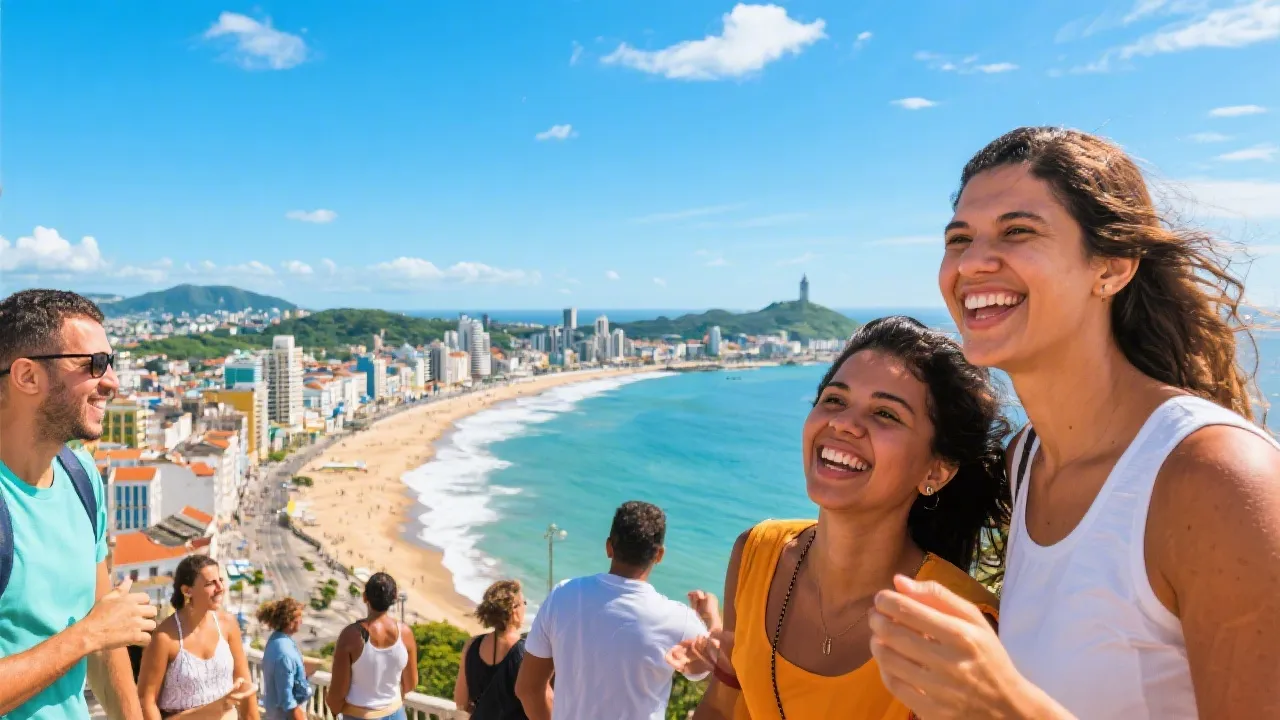
Discovering the Vibrant Sorridente Salvador
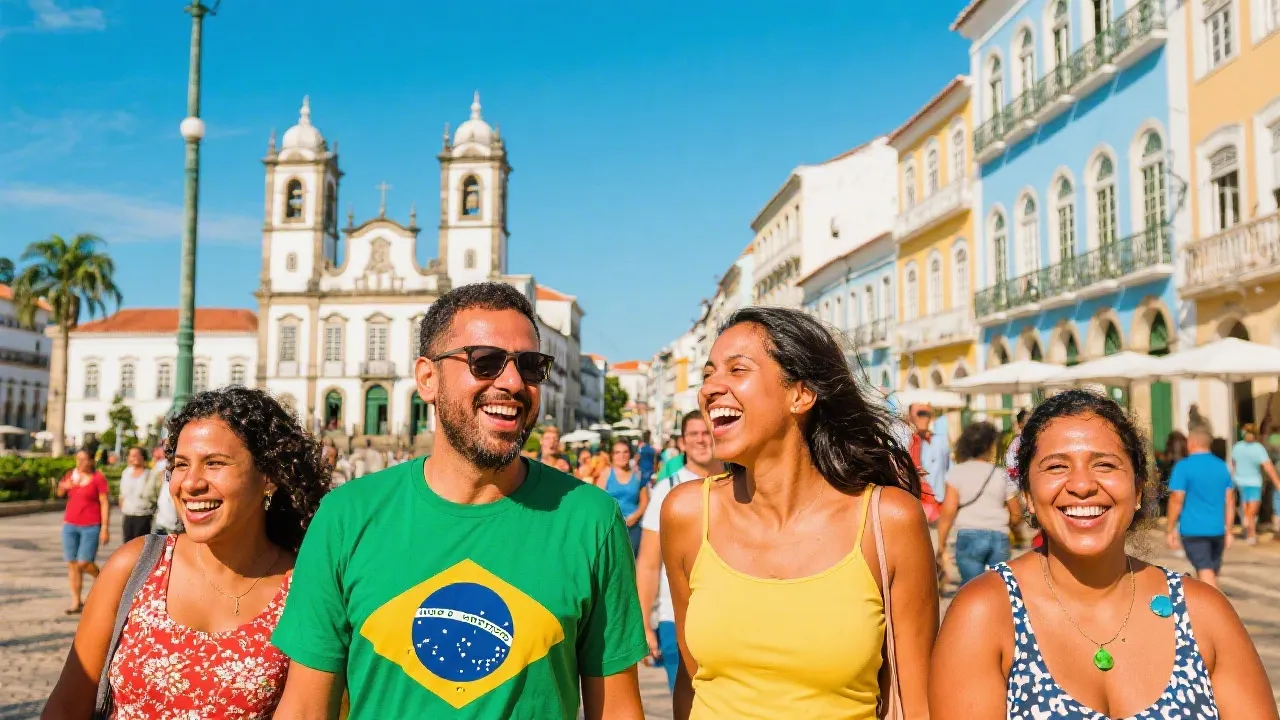
Sorridente Salvador is a phrase that encapsulates the vibrant and joyful spirit of this Brazilian city. Known for its rich cultural heritage, stunning coastline, and lively festivals, Salvador offers a unique experience for tourists and locals alike. The city's friendly atmosphere and diverse attractions make it a must-visit destination.
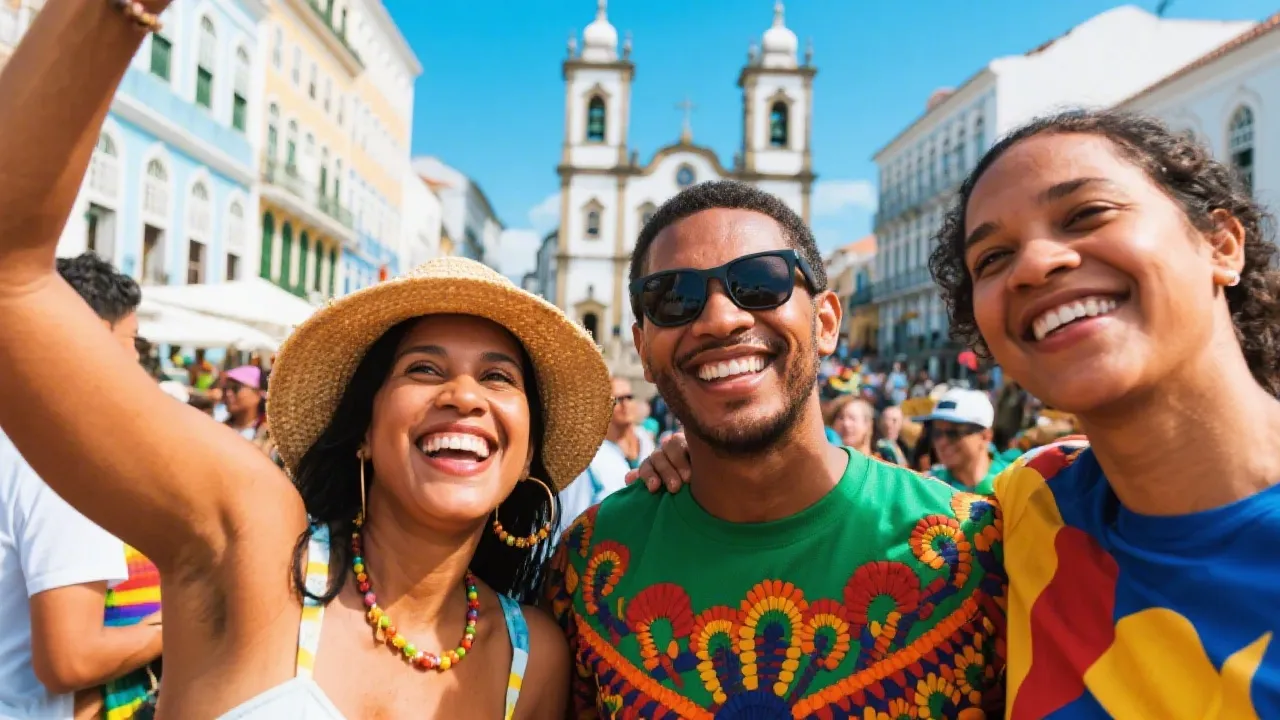
Exploring Sorridente Salvador
Salvador, often referred to as "Sorridente Salvador," is renowned for its vibrant culture and joyous demeanor. The phrase "Sorridente Salvador" aptly captures the essence of the city, where smiles are as abundant as the rhythms dancing through the air. Nestled along Brazil's beautiful coastline, Salvador offers a unique blend of historical charm and modern-day allure. With its deeply rooted traditions, colorful festivals, and bustling urban life, this city presents an unforgettable experience for all who visit. In this article, we'll delve into the various aspects that make Salvador truly special, from its rich history and cultural practices to its breathtaking landscapes and gastronomy, revealing the true heart and soul of Sorridente Salvador.
A City Steeped in History
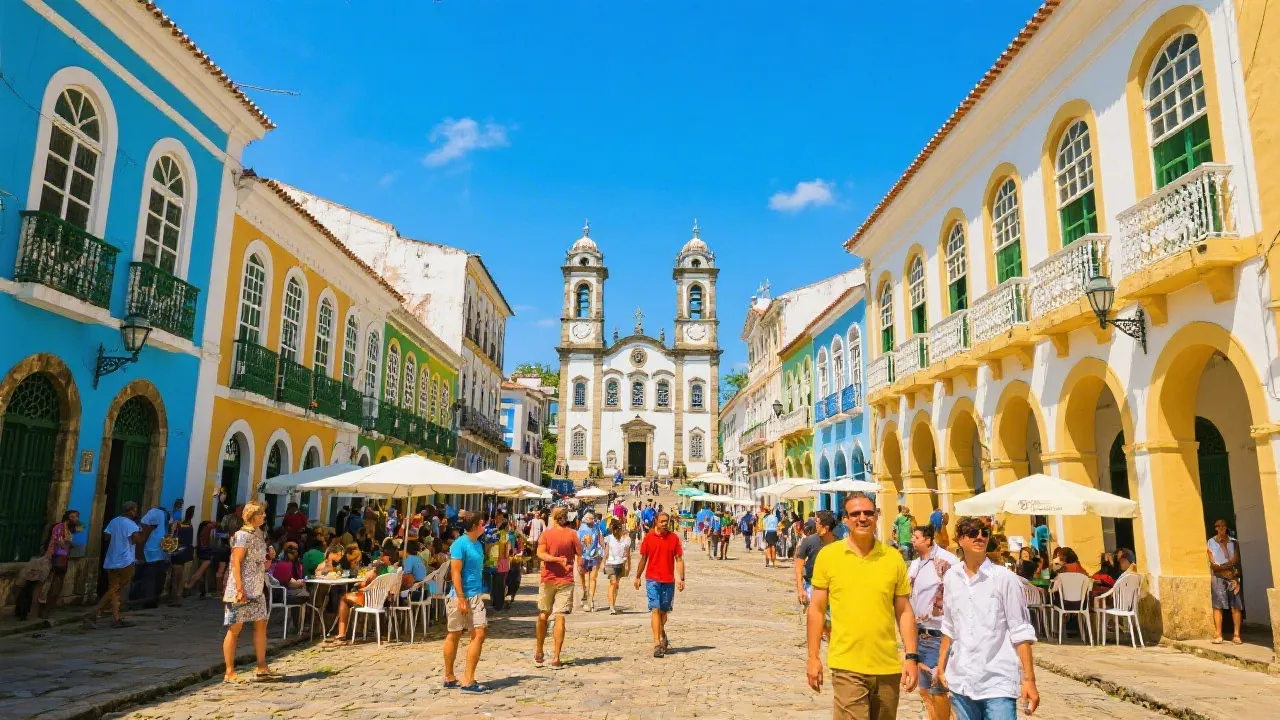
Salvador serves as a significant cultural hub in Brazil. As the first capital of the country, it boasts an impressive array of architectural marvels that narrate the tales of its colonial past. Visitors can stroll through Pelourinho, a UNESCO World Heritage Site, where cobblestone streets weave through colorful colonial buildings and historic churches that stand as testaments to the city's rich history. Established in 1549, Salvador was the first capital of colonial Brazil and quickly grew into a bustling port city, instrumental in the sugarcane trade. The architectural landscape reflects this history, showcasing a variety of styles from Baroque to Neoclassical.
Today's visitors can admire over 300 historic edifices in Pelourinho alone, many of which have been meticulously restored to preserve their historical integrity. Notable among these are the beautiful São Francisco Church, with its ornate interior covered in gold leaf, and the lively Praça da Sé, which is often filled with musicians, artists, and vendors. Engaging in guided tours reveals the intricate details of these structures and the stories they embody, offering deeper insight into the socio-political dynamics throughout the centuries. Salvador's history is also tragically marked by the transatlantic slave trade, which has significantly shaped its cultural and social fabric. This legacy is visible in the intricate ties to Africa that permeate its festivities, music, and culinary offerings, making it a focal point for understanding Afro-Brazilian heritage.
The Rhythm of Life in Salvador
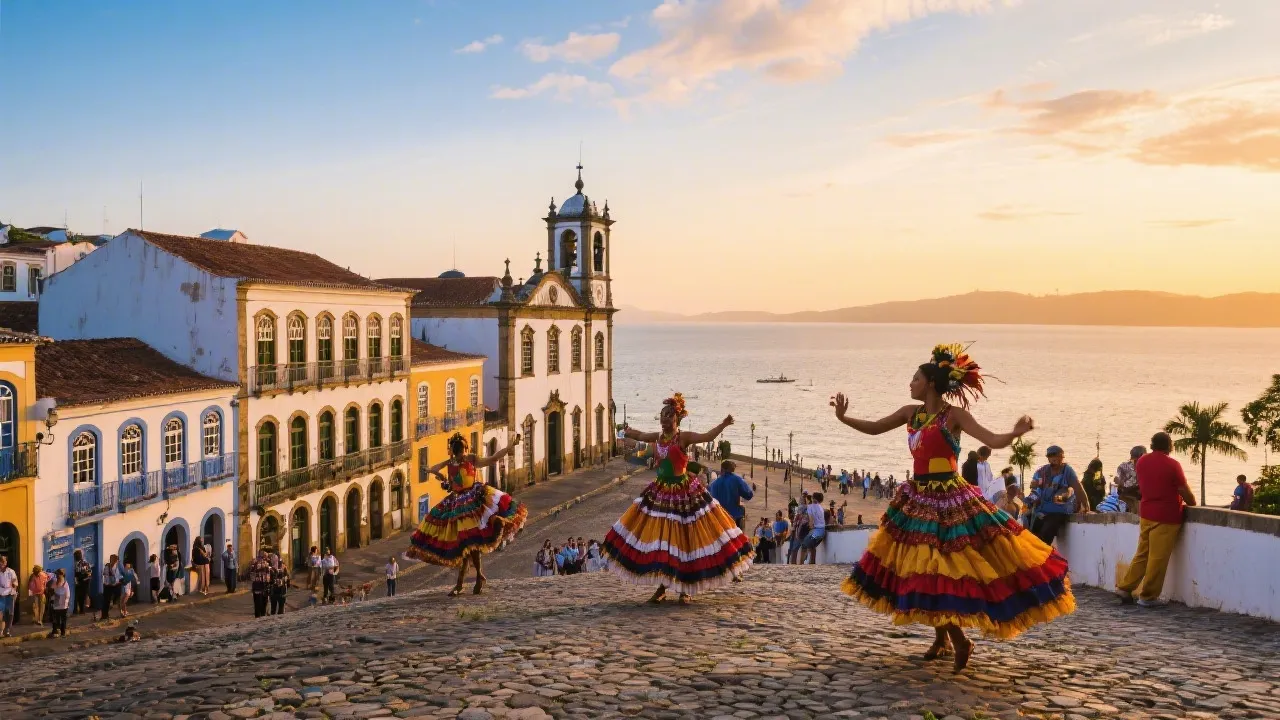
The musical heartbeat of Salvador is palpable. Known as the birthplace of many Afro-Brazilian cultural elements, the city is famed for its music, particularly the sounds of samba, axé, and other rhythms that echo through the streets. Each year, Carnaval in Salvador draws thousands of participants and onlookers, eager to witness the electrifying celebrations that fill the streets with music, dancing, and laughter. The Carnaval experience in Salvador is uniquely interactive, with various blocs parading through the city, each featuring its own music and dance styles.
It’s amazing to note that Carnaval in Salvador operates differently than in many other parts of Brazil. Rather than being confined to a specific area, the festivities extend throughout the city, with the ‘trios elétricos’ (trucks equipped with powerful sound systems) leading large crowds in energetic dances. The sight of thousands of dancers adorned in colorful costumes, moving harmoniously to the rhythm of the drums, creates an atmosphere of vibrant celebration and unity. For those who want to participate, purchasing a 'camarote' (a ticket that grants access to a viewing platform) might be worthwhile to experience the Carnaval from an optimal vantage point.
Beyond Carnaval, Salvador is also home to numerous cultural events throughout the year, including the Festival de Verão, showcasing not only local artists but also attracting well-known names from various music genres. Regular performances can be found at venues like the Teatro Castro Alves and during street fairs, where everything from capoeira demonstrations to live band performances take place. The rhythm of Salvador is indeed infectious, with the spirit of music and dance bringing people together, regardless of background or language, celebrating the joy of life.
The Culinary Delights of Salvador
A visit to Salvador is incomplete without indulging in its culinary offerings. Known for dishes such as acarajé and moqueca, Salvadoran cuisine is a delightful fusion of African, indigenous, and Portuguese influences. The culinary journey through Salvador is an adventure for the taste buds, characterized by bold flavors, diverse ingredients, and colorful presentations. Acarajé, a dish made from black-eyed peas that are deep-fried and filled with a spicy shrimp mix, is a street food staple that speaks volumes of the city’s African roots.
Moqueca, a traditional fish stew cooked with coconut milk, tomatoes, onions, garlic, and coriander, offers a taste of the rich marine resources that the region is renowned for. Often served with rice, it’s a comforting dish that embodies the flavors of the coastal areas of Bahia. Visitors can find local restaurants that specialize in these dishes, such as the famous Dona Maninha, where the authentic preparation techniques are highlighted.
Beyond these flagship dishes, the street food scene in Salvador provides ample opportunity to explore various tastes. From the spicy vatapá—a creamy paste made from bread, fish, and nuts—to the sweet treats like cocada (a coconut dessert), the options are endless. Smaller establishments known as 'lanchonetes' offer quick bites that are both affordable and delicious, allowing visitors to taste a variety of foods without breaking the bank. By participating in a food tour, not only can visitors satisfy their hunger, but they also gain insight into the preparation methods and cultural significance of these culinary delights, enhancing their overall experience of Sorridente Salvador.
Table of Local Highlights
| Attraction | Description |
|---|---|
| Pelourinho | A historic district known for its vibrant colors, colonial architecture, and cultural significance, showcasing the city's rich history. |
| Elevador Lacerda | An iconic outdoor elevator that provides breathtaking views of the cityscape and bay, connecting the lower city to the upper city. |
| Farol da Barra | A picturesque lighthouse overlooking the ocean and a popular spot for sunset watching, surrounded by a lively beach atmosphere. |
| São Francisco Church | A majestic church adorned with intricate gold leaf decorations, known for its beautiful baroque architecture and serene ambiance. |
| Mercado Modelo | A bustling market where local artisans sell crafts, souvenirs, and traditional foods, providing a taste of Salvador's vibrant culture. |
Experiencing the Natural Beauty
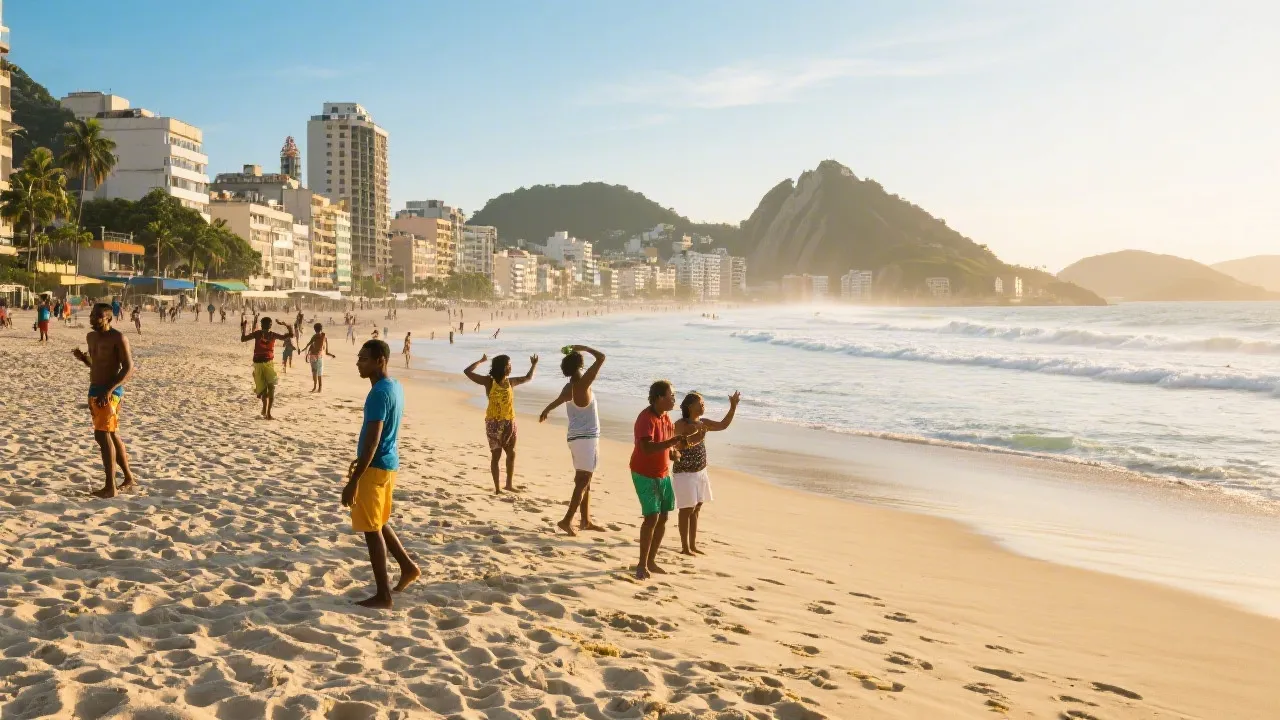
Salvador is not just a cultural treasure trove; it also offers stunning natural landscapes. The city’s coastline is lined with beautiful beaches such as Porto da Barra, favored by both locals and tourists for its calm waters and scenic beauty. This beach is particularly famous for its stunning sunsets and soft sandy shores, making it an ideal spot for relaxation and socializing. Families, friends, and couples all gather here, enjoying picnics or refreshing drinks while taking in the splendid views of the Atlantic Ocean.
Further along the coast, beaches like Flamengo and Stella Maris offer a more secluded atmosphere, perfect for those looking to escape the hustle and bustle. These areas are less developed, providing a more natural setting where visitors can enjoy sunbathing, swimming, or beach sports. Additionally, surfing is a popular activity at some of these beaches, attracting both beginners and seasoned surfers looking for the right waves.
The nearby islands, accessible via a short boat ride, provide even more opportunities for exploration and relaxation. Islands such as Ilha de Itaparica and Ilha de Maraú are renowned for their natural beauty and untouched beaches. Visitors can embark on day trips that include snorkeling in crystal-clear waters, hiking through lush landscapes, or simply lounging on pristine shores away from the city’s noise. Guided tours often offer packages that include meals and equipment for activities, ensuring a hassle-free experience while indulging in nature's tranquility.
For those seeking adventure, Salvador also allows for exciting excursions into the surrounding natural environments, like the Chapada Diamantina National Park. Nestled inland from the coastline, this area features breathtaking waterfalls, caves, and hiking trails, suitable for tourists looking for an exhilarating connection with nature. The diversity of Salvador's natural beauty is a reminder that this coastal city is more than just a cultural hub; it is also a gateway to some of Brazil’s most stunning landscapes.
Guidelines for Visiting Sorridente Salvador
- Explore historical sites with a knowledgeable guide to fully appreciate the city's heritage. Guides often share captivating stories and insights that you wouldn’t find in guidebooks.
- Participate in local festivals and music events to immerse yourself in the vibrant culture. Whether it’s Carnaval or smaller community events, don’t miss the chance to dance, celebrate, and connect with the locals.
- Try a variety of local dishes to experience the full range of Salvadoran flavors. Make sure to ask locals for their favorite spots to eat; their recommendations often lead to delightful culinary discoveries.
- Always prioritize safety by staying informed about local guidelines and respecting cultural norms. While Salvador is generally welcoming, being aware of your surroundings and practicing common safety measures will enhance your overall experience.
- Learn a few basic Portuguese phrases to enhance interactions with local residents. Many people in Salvador are friendly and appreciate attempts to communicate in their language.
- Consider engaging in a cultural workshop or experience, such as learning to dance samba or participating in a capoeira class, to deepen your understanding of Bahia's unique traditions.
- Travel smart: keep copies of important documents such as your passport and travel itinerary, and consider investing in travel insurance for peace of mind during your trip.
FAQs
- What is the best time to visit Salvador? The best time to visit Salvador is during the dry season, from December to February, coinciding with the Carnaval celebrations. These months feature lively activities and a vibrant atmosphere, perfect for immersing yourself in the local culture.
- Is Salvador safe for tourists? As with any bustling urban area, it is advisable to stay in well-traveled areas and remain aware of your surroundings. Avoid displaying valuables in crowded places and seek advice from locals regarding areas to avoid, especially at night.
- What are some must-try dishes in Salvador? Acarajé, moqueca, and vatapá are among the most popular dishes visitors should try. Additionally, don't miss out on dessert options like cocada or the popular Brazilian fruit bowls available at coastal shacks and markets.
- How can I experience Salvador's music scene? Attend live performances, especially during Carnaval, or visit local music venues in the city. Bars and open-air spaces often host samba nights and other cultural events that showcase local talent.
- Are there any specific safety tips for tourists in Salvador? It is best to use registered taxis or ride-sharing apps rather than public transport, especially at night. Be cautious about walking alone in less populated or poorly lit areas, and keep your belongings secure while enjoying street performances or busy markets.
- What cultural experiences should I not miss? Participate in a capoeira class, visit a local candomblé house to understand Afro-Brazilian religions, or attend a local festival to grasp the vibrant culture that encapsulates Salvador.