
Umeu and Sando: A Scholar’s Guide to Tastes
Umeu and Sando are often discussed together as comforting, flavor-forward staples. This guide explains what each term tends to mean in food culture, how people typically prepare and experience them, and what to check when choosing products from different suppliers. Background context is provided objectively, followed by a practical comparison and decision checklist.
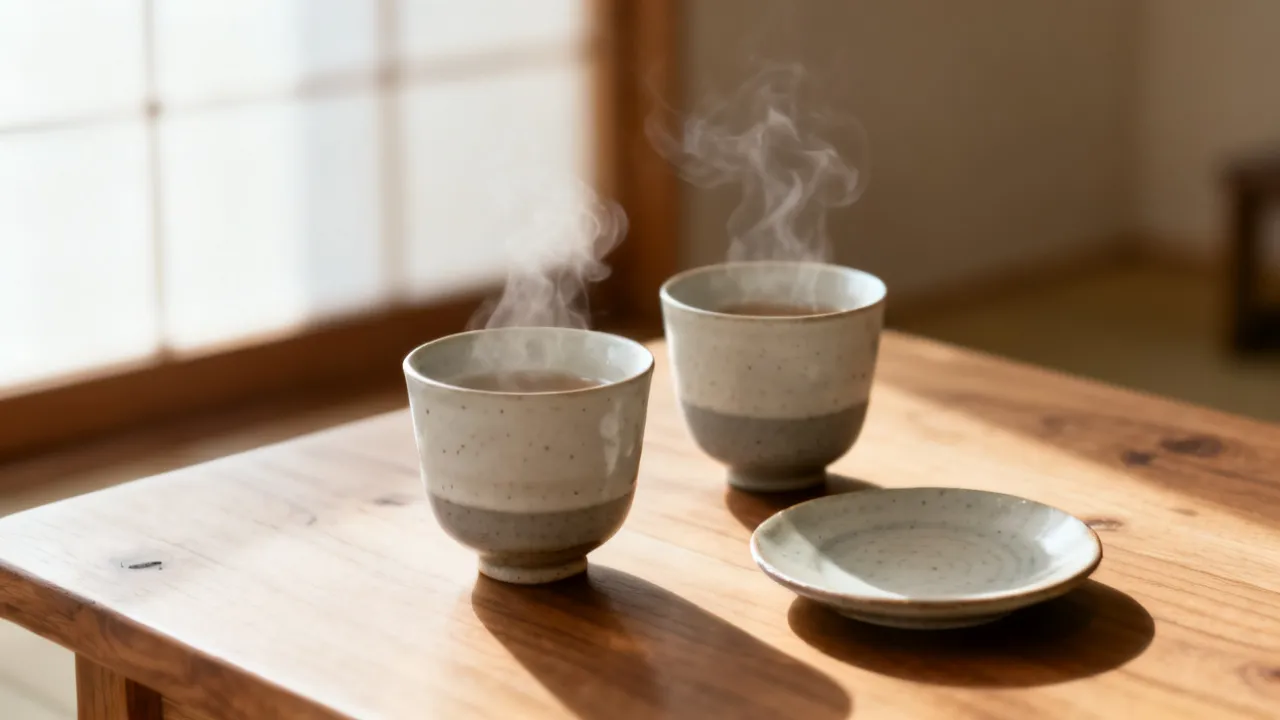
Key takeaway: understand Umeu and Sando through taste, preparation, and sourcing signals
When people talk about Umeu and Sando, they’re usually pointing to two parts of a wider culinary conversation—one rooted in a plum-like, tangy flavor profile often associated with preserved or seasoned ingredients, and the other linked to the familiar “sandwich” format with carefully balanced textures. This guide treats both as cultural taste frameworks: you’ll learn how to recognize what you’re actually buying or ordering, what preparation cues to look for, and how supplier sourcing can influence aroma, acidity, sweetness, and overall mouthfeel.
Because terms can vary by region, brand, and translation, the very reliable approach is to evaluate sensory indicators (acidity, saltiness, sweetness, aroma strength) and product specifics (ingredient list, processing style, and packaging notes). That perspective keeps the analysis grounded rather than speculative.
What “Umeu” commonly signals in taste culture
“Umeu” is frequently used as a Romanized shorthand for a plum-based ingredient theme (often connected to umeshu/ume-like preparations or ume-seasoned foods in broader East Asian culinary practice). In practical terms, consumers typically use “Umeu” to describe a flavor direction characterized by:
- Bright acidity—a tangy, slightly sharp impression that cuts through richer foods.
- Salty-sour depth—especially when the ingredient is preserved or seasoned.
- Gentle sweetness—sometimes present, sometimes restrained, depending on whether it’s syruped, seasoned, or used as a concentrated component.
- Aromatic plum notes—often described as fruity with a distinct “preserved fruit” character rather than fresh fruit sweetness.
From an industry expert viewpoint, “Umeu” is less a single standardized product and more a flavor identity. That means two items marketed with similar wording can differ substantially based on how the plum component is processed (preserved, concentrated, sweetened, or blended).
Industry lens: in food categories that use fruit-preservation techniques, small differences in brine composition, sweetening ratio, and aging/fermentation approach can shift the perceived acidity and sweetness balance. This is why ingredient transparency and sensory consistency are crucial when comparing suppliers.
To better understand what you’re tasting, it helps to break “Umeu-style” flavor into three practical layers: acid behavior (how quickly it hits and how it fades), sweet-support role (whether sweetness cushions or lingers), and aroma character (fresh-plum-like vs preserved-fruit-like vs concentrated flavor). These layers tend to show up even when the label doesn’t spell out everything.
For example, an item that tastes sharply sour at the first bite, then finishes with a rounded, lightly salty plummy note usually suggests that the formula relies on a preserved or seasoned plum base that contains both acid and salt. In contrast, an item that tastes more uniformly sweet and then becomes slightly acidic later might be using a flavored concentrate or a syrup system where plum aroma is secondary to sugar-acid balance.
What “Sando” commonly signals in everyday eating
“Sando” is widely used to refer to a sandwich style—often a compact, layered meal designed for grab-and-go convenience and controlled portioning. In practice, “Sando” usually implies a focus on:
- Texture contrast—soft bread paired with a filling that provides either crunch (e.g., fried or pickled components) or creamy body (e.g., mayonnaise-based mixes).
- Balanced seasoning—because sandwich bread amplifies sweetness and mutes certain aromatics unless the filling is seasoned carefully.
- Portion and assembly discipline—layers arranged to keep filling from leaking and to preserve bite consistency.
When “Umeu” and “Sando” appear together, it’s often because the tangy, palate-cleansing quality of plum-like seasoning complements the richness of sandwich fillings. The combination can create a “bright-to-rich-to-clean finish” tasting arc, which many consumers find appealing in warm or casual dining settings.
However, the sando experience is also highly dependent on packaging and timing. Unlike ingredients that can be tasted slowly over a long session, sandwich quality is time-sensitive: bread stales, moisture migrates, and fillings can loosen. Two suppliers can deliver identical flavor formulas, yet one supplier’s assembly and packing methods can still produce a noticeably different mouthfeel.
Because “sando” is a format concept rather than a single recipe, it’s valuable to ask: what is the bread doing? Is it lightly sweet like some shokupan styles, or more neutral? Is the filling thick, emulsified, or watery? Does it contain pickled elements that add acidity? Those variables determine whether the Umeu-like tang feels bright or harsh.
Why price signals matter (without treating them as truth)
People often ask about price first. However, price is only one clue. In specialty food markets, pricing can reflect packaging format (single-serve vs. bulk), ingredient quality, seasonal sourcing, and whether the supplier invests in consistent processing. For an objective evaluation, use price as an entry point, then verify with:
- Ingredient list clarity (are the key components named clearly?)
- Processing notes (is it preserved fruit, concentrate, or blended flavor?)
- Expected serving style (sauced, mixed, spread, or used as a topping)
- Batch consistency (can the supplier document consistency checks?)
Expert caution: avoid assuming that “higher price” automatically means “better.” Instead, treat price as a proxy for risk tolerance—higher cost may indicate better raw materials and tighter control, but it can also represent branding or imported distribution costs.
A practical way to use price responsibly is to compare it against the “cost drivers” you can verify: unit weight, ingredient specificity, and whether the product is assembled to preserve structure. A more expensive sando that has better bread quality, better packaging, and an emulsified filling that resists separation may be worth it even if the plum tang profile is similar. Conversely, a premium label with generic flavor language might simply be paying for marketing overhead rather than sensory differences.
Supplier considerations: what to ask when comparing Umeu and Sando products
From an operations and quality-management standpoint, suppliers differ in three areas that directly influence consumer experience:
- Raw ingredient sourcing
- For “Umeu”-style flavors, suppliers may use different plum varieties, preservation bases, and sweetening systems.
- For “Sando,” suppliers may use different bread types, oil profiles (if fried), and acidity from pickled or seasoned components.
- Formulation and balance
- The ratio of tang to sweetness determines whether the taste feels refreshing or overpowering.
- Salt balance affects how quickly flavors “open up” on the tongue, particularly in sandwich fillings.
- Quality assurance and shelf-life control
- Preserved or seasoned components can retain flavor longer, but oxidation and moisture migration can still change aroma over time.
- Sandwich assemblies can suffer from bread staling or filling separation if not packed properly.
If you have the option, request packaging date information and storage instructions. These are practical signals of process discipline rather than marketing claims.
It’s also useful to ask more specific questions if you’re dealing with a supplier rather than simply buying at retail. For “Umeu,” the most informative inquiries typically include:
- Is the base preserved fruit, plum extract, concentrate, or a flavor system?
- What contributes to acidity: organic acids in formulation, naturally fermented components, or both?
- Is the product sweetened using sugar, syrup, or other sweeteners that may affect perceived acidity?
- How is the aroma stabilized—through concentration, blending, encapsulation, or careful oxygen exposure control?
For “Sando,” the most informative inquiries often include:
- What bread type is used (and is it sweetened)?
- How is the filling manufactured (emulsified, cooked, fried, pickled)?
- How is moisture managed during packaging?
- What is the assembly and packing timeline (e.g., how soon after filling production are sandwiches assembled)?
- Are sandwiches packed with barrier films, modified atmosphere, or other shelf-life technologies?
Even if you can’t get answers, the availability of those details is itself a signal of supplier maturity.
Practical comparison of Umeu and Sando experiences
To clarify how these two terms often function together in real eating scenarios, here is a decision-oriented comparison. This is written as a supplement to the main tasting and sourcing discussion.
| Aspect | Umeu-style flavor (plum-tang identity) | Sando-style sandwich experience |
|---|---|---|
| Primary sensation | Bright tang with preserved-fruit depth | Layered texture and balanced savory flavor |
| Role in a meal | Palate cleanser / flavor brightener | Main format that carries richness and body |
| Common formulation cues | Salted-sour, sometimes sweetened; concentration varies | Bread softness, filling thickness, seasoning clarity |
| What changes quality fastest | Aroma strength and acidity balance over time | Bread freshness and filling separation |
| Top pairing logic | Tang complements oily or creamy sandwich fillings | Neutral bread makes tang feel more vivid |
| Supplier verification approach | Check ingredient naming and processing notes | Check bread type, packaging, and filling specs |
Step-by-step guide to choosing and evaluating Umeu + Sando options
Use this step-by-step checklist like an expert buyer would, moving from low-effort checks to deeper verification.
-
Confirm what the term means on the label
Look for ingredient descriptions that correspond to a plum-based tangy component rather than only a vague flavor name. If multiple items exist (e.g., concentrate-based vs. preserved-fruit-based), choose based on the taste profile you want.
-
Assess the likely flavor direction
If the product tastes strongly acidic on first bite and then softens into a rounded finish, it aligns with many Umeu-style profiles. If it tastes flat or purely sweet, the formulation may rely more on sweet flavoring than preserved fruit depth.
-
Evaluate sandwich structure
For Sando, the key quality check is whether the filling holds its shape and the bread remains pleasant. If bread becomes tough quickly after assembly, packaging and process may not be optimized.
-
Check sourcing and manufacturing discipline
When suppliers provide consistent batch timelines, storage guidance, and clear ingredient lists, it typically indicates stronger process control. If details are limited, buy smaller quantities first.
-
Use price as a starting point, not a verdict
Compare “like for like” formats. A premium unit weight, better bread, or a higher-cost preserved ingredient can justify price differences, but you should still verify the formulation.
-
Conduct a sensory consistency check
If you’re comparing multiple suppliers, taste one item at the same time of day under similar conditions. Tangy components can seem louder when you’re fatigued or after heavy meals.
To make your sensory check more reliable, consider using a simple tasting rubric. You don’t need to be scientific; you just need to be consistent. On each sample, note:
- First bite intensity: does the tang hit immediately or after a short delay?
- Balance: does sweetness cushion the acid or do they fight?
- Salt perception: does it feel clean and supportive or harsh and drying?
- Plum aroma style: preserved-fruit (darker, deeper) vs fresh-plum (lighter) vs synthetic-concentrate (sharp, one-note).
- Finish length: does the tang linger pleasantly or fade quickly?
For sando-specific evaluation, add these:
- Bread softness at bite time and after 30–60 seconds.
- Filling cohesion (does it smear, separate, or maintain structure?).
- Moisture impact (does the bread become soggy too fast?).
- Flavor delivery order (does tang appear first, middle, or only at the end?).
Conditions and requirements for a reliable comparison
To keep comparisons objective, apply these conditions:
- Same or comparable serving format: e.g., single-serve sando units vs. bulk spread components.
- Comparable freshness window: sandwich bread stales quickly, and tangy components shift as they oxidize.
- Clear ingredient identification: “Umeu-like” should correspond to named components or understandable processing descriptions.
- Consistent evaluation method: taste in the same order and document the dominant sensations (tang, salt, sweetness, aroma depth, aftertaste).
- No overreliance on marketing language: prioritize actual ingredient and packaging specifics.
Even with these conditions, remember that “Umeu + Sando” taste is a multi-variable system. If one supplier’s tang is slightly stronger, it can compensate for a less seasoned sandwich; meanwhile a milder tang can make a richer filling taste flatter. That’s why you should compare not just flavor but the relationship between components.
For instance, if you prefer “bright-to-rich-to-clean,” you’re likely seeking a tang that emerges at the right moment rather than simply tasting sour overall. A formula that’s too acidic can feel like it truncates the sandwich experience. A formula that’s too sweet can make the sandwich taste heavy. The best matches usually balance acidity with aroma and salt so the tang feels “structured” instead of aggressive.
Localization notes: how the tastes often land with local diners
In many everyday dining contexts, the “Umeu” tang is appreciated for its ability to reset the palate—particularly when sandwiched between richer fillings. Diners often describe the experience in practical terms: a quick snap of acidity, then a fuller savory middle, then a clean, slightly fruity aftertaste. The appeal is similar to why pickled elements and citrus notes are commonly used across cuisines: they improve bite clarity and reduce heaviness.
If you’re sampling these items in a near-urban retail environment, you may also notice a preference for fast assembly and consistent portioning—“sando” formats tend to match that consumer rhythm. Even when people don’t use the technical language, the underlying food science is the same: stable seasoning distribution and controlled moisture migration determine whether each bite tastes intentional.
There can also be cultural preference differences in perceived acidity. Some regions like a sharper, more noticeable tang that stands out immediately; others prefer a gentler acidity that functions more as a background “lift.” The best way to align with local expectations is to look at how consumers describe the “rightness” of the tang—whether they praise it for “refreshing sharpness” or for “soft plum depth.”
Likewise, “sando” textures can vary by local bread preference. In settings where shokupan is common, the bread’s subtle sweetness may be expected. In other settings, where neutral breads dominate, the same filling could taste different and the tang could feel more prominent. When comparing products across locations, don’t treat “Umeu brightness” as a fixed attribute; treat it as a context-dependent perception.
FAQs about Umeu and Sando
1) What does “Umeu” mean in food conversations?
“Umeu” is commonly used to describe a plum-tang flavor identity—often associated with preserved or seasoned plum derivatives. Because usage can vary by brand and translation, check the ingredient list for clarity on whether it’s preserved fruit, concentrate, or a blended flavor base.
One practical tip: if the label lists “plum” or “ume” ingredients directly and includes notes that indicate preservation or fermentation, you’re more likely to get a “preserved fruit” aroma. If the label lists fewer recognizable plum components and instead emphasizes “flavor,” “seasoning,” or “acidulant,” the tang may be more acid-driven with a less complex plum aroma profile.
2) Is Sando always a sandwich?
In very consumer usage, “sando” refers to a sandwich-style item—typically compact, layered, and designed for controlled texture. The exact filling varies widely, but the format emphasizes bread-and-filling structure and consistent bite size.
Because the term can be used loosely, the safest approach when ordering is to confirm what kind of filling and sauce style is used. A sando with a creamy filling behaves differently from a sando with pickled or fried components, and that difference affects how your Umeu-like tang will be perceived.
3) Why do people pair Umeu with Sando?
The tangy profile of ume-like flavors can cut through richness and create a cleaner finish. In a sandwich, acidity can also “lift” savory elements, making seasoning feel more distinct and less heavy.
At a deeper level, tang can do two things simultaneously: it can create contrast (so the sandwich doesn’t taste monotonously salty or oily) and it can “refresh” sensory perception after fatty or protein-heavy components. That’s why plum-based tang often pairs well with mayonnaise-heavy fillings, fried items, or salty spreads.
4) How can I judge quality without relying on price?
Look for ingredient transparency, sensible formulation cues (balanced tang vs. sweetness), and packaging that preserves freshness. For sandos, bread and filling behavior matter: if the filling separates or the bread becomes unpleasant quickly, the process may be less controlled.
You can also look for evidence that the supplier understands moisture management. A sando that stays coherent and doesn’t become soggy too quickly usually indicates better packaging discipline, better filling viscosity design, and a more consistent assembly timeline.
5) What should I verify from a supplier?
Request or look for manufacturing consistency signals: ingredient naming, processing or preservation notes, shelf-life guidance, storage instructions, and packaging date/batch info. These are practical indicators of quality systems.
If you’re trying to choose between multiple suppliers, ask whether they can provide typical batch specs (e.g., pH range for tang components, viscosity targets for fillings, or bread delivery schedules). You don’t need to be a chemist; the point is to learn whether they operate with measurable targets.
6) Are there location-specific versions of these items?
Yes. Names and recipes can differ across regions and retailers. The very reliable approach is to evaluate the actual flavor profile you receive rather than relying solely on the term. If you’re comparing items from different suppliers, use the same tasting checklist.
Location differences often show up in sweetness preference, the bread type used, and the intensity of tang. A “Umeu” product might be formulated to match local palate expectations, which may mean more sugar for some markets or more acid for others.
7) Can I use these terms when ordering?
You can, but it’s often better to pair the term with a descriptive request (e.g., “more tangy ume flavor” or “a sando with a bright plum-like acidity”). Staff may understand the term differently, especially if translations vary.
When you describe your preference, be explicit about what you like: do you want a sharp first bite, or a gentle tang that builds? Do you want the plum aroma to be prominent, or are you mostly looking for acidity that cleans up a rich filling? These cues help staff match you to the right item.
8) Do I need to follow any specific conditions when storing?
Follow the product’s storage instructions. In general, sandwich freshness depends on keeping moisture and temperature stable. For tangy components, avoid prolonged exposure to air and heat, as aroma and acidity balance can shift.
If you buy sandos ahead of time, consider how long they will sit before eating. Many sando failures occur not because the product was bad at production, but because it was stored in a way that accelerated bread staling or made the filling separate. If there’s a best practice recommended on the packaging—like refrigerating, freezing, or consuming within a particular window—follow it.
Expert closing perspective: treat Umeu and Sando as systems, not single products
From an industry standpoint, Umeu and Sando are top understood as taste systems. “Umeu” points to an acidity-and-depth identity shaped by preservation and formulation. “Sando” points to a structural experience shaped by bread, filling texture, and assembly discipline. When paired, they can produce a balanced arc—bright entry, savory body, clean aftertaste—provided sourcing and freshness management are handled well.
If you’re comparing suppliers, the very objective strategy is to standardize your evaluation: check labels for meaningful ingredient details, compare freshness windows, and assess dominant sensory attributes consistently. That method will help you choose options that align with your preference rather than simply following price or brand reputation.
Deep-dive: how to “read” Umeu-like tang using sensory checkpoints
To go beyond general descriptions, it helps to understand that “tang” isn’t one sensation. It is a combination of acid strength, acidity type (how it tastes to the tongue), salt support, sweetness cushioning, and aroma volatility. When consumers say “more Umeu,” they may mean any of these variables—so your goal is to identify which variable you’re actually seeking.
1) First-bite acid behavior
Take note of the timing. Some Umeu-style products deliver tang immediately—like a quick snap that appears in the first second after biting. Others reveal tang after you swallow, or after the sandwich’s cream or oil coats the tongue. The difference often comes from whether the tang is integrated into a viscous base (which slows release) or applied as a more freely dispersible seasoning.
When comparing two products, decide which timing you prefer. A rapid snap can feel exciting and cleansing, but if it’s too aggressive it can dominate the sandwich. A delayed tang can feel more integrated and “structured,” especially when the filling is rich and the bread is slightly sweet.
2) Salt-sour perception
Salt doesn’t only taste salty. It changes the perceived brightness and can make acidity feel rounder. A Umeu-like flavor that includes salt in the right proportion often feels “active” without being sharp. If the tang tastes thin or metallic, it may be relying heavily on acidulants without enough salt/umami support. If the tang tastes flat, the acid may be low or sweetness may be overpowering.
3) Sweetness role: cushioning vs. lingering
In high-quality Umeu-like profiles, sweetness typically acts as a cushion, reducing harshness and rounding the edges. In lower-complexity profiles, sweetness can linger like syrup and make the finish feel heavier. A quick method is to taste the tang, then pause. If sweetness is still obvious after the tang fades, the product may be formulated more for sweetness than for preserved fruit depth.
4) Plum aroma character: preserved vs. synthetic
Even without a chemistry background, you can often distinguish aroma styles by “shape.” Preserved fruit-like aroma tends to feel darker, fruit-forward, and slightly fermenty or briny. Concentrate-like aroma often feels sharper and more one-dimensional. Synthetic flavor systems can smell “instant” but lack the layered depth that makes the tang feel like it has a past (processing and aging).
This matters because aroma affects perceived flavor intensity. Two products with the same acidity and salt may taste different because one has a more convincing plum aroma. That’s why ingredient transparency and processing clues on labels are valuable.
5) Aftertaste: clean exit or lingering bite
The aftertaste is where many Umeu-style products win or lose. A “clean exit” finish often indicates good balance: acidity declines smoothly while aroma leaves a pleasant fruity note. A “lingering bite” can indicate high acid with insufficient buffering or a harsh flavor base.
For paired consumption in sandwiches, aftertaste matters because it affects how the next bite tastes. If you want your second bite to taste bright instead of overwhelming, choose a Umeu-style profile with a finish that fades gracefully.
Deep-dive: how to “read” Sando quality through texture and assembly signals
For Sando, flavor doesn’t exist in isolation. Texture and moisture movement are part of the experience, and they can either amplify or ruin the Umeu-like tang.
1) Bread characteristics
Sandwich bread contributes sweetness, softness, and structure. Sweet breads can mute acidity slightly, making tang feel more integrated and less sharp. Neutral breads allow tang to feel more vivid. So if you like pronounced Umeu brightness, a less sweet bread may match better.
Also consider the bread’s resilience. Quality bread stays pleasant even after a short period. If the bread becomes dry or tough quickly, the product may be using a bread that loses moisture quickly or has been exposed to suboptimal handling.
2) Filling viscosity and cohesion
Filling should maintain cohesion without overly trapping moisture. Creamy fillings (often mayonnaise-based) should remain thick enough that slices don’t collapse. If a filling seems too loose, the tang element may disperse inconsistently—some bites may feel tangy while others feel bland.
When evaluating sando quality, pay attention to how the filling behaves at the edge of the sandwich. If it leaks or smears, that indicates imperfect viscosity or imperfect assembly barrier. Leakage often accelerates sogginess in bread, which can reduce flavor clarity.
3) Moisture migration: the silent quality killer
Moisture migration occurs when filling moisture migrates into bread. This can happen even with good ingredients if packaging doesn’t control the environment or if assembly timing is off. The practical symptom is bread softening beyond pleasant softness—leading to a soggy texture that masks aroma and reduces the clean tang finish.
4) Texture contrast (crisp vs. creamy)
Many sandos rely on contrast: crisp or crunchy elements alongside creamy components. When contrast is well designed, you get an immediate sensory “spark” from crunch, while tang from Umeu-like seasoning provides a cleansing note between bites.
If contrast is poorly designed—say crunch elements get soggy quickly or are too sparse—then tang may feel either too sharp (no buffering from texture) or too buried (if the filling becomes uniformly soft).
5) Assembly discipline and portion control
Professional assembly ensures that each bite has a similar ratio of bread to filling to tang element. If portioning is inconsistent, you may mistakenly conclude that one supplier’s tang is weaker when the real issue is that you received more/less of the tang-rich portion in that particular bite.
Look for clues: neat edges, even layering, and a filling spread that seems intentionally placed. These are often “invisible” quality indicators, but they influence whether tang appears in the expected bite.
How sourcing influences Umeu tang: what to look for beyond “plum flavor”
Supplier sourcing influences both flavor quality and stability. Even if two products claim “ume” or “plum,” the difference between preserved fruit vs. concentrate vs. flavor system can dramatically affect aroma depth and shelf-life behavior.
1) Plum variety and preservation method
Different plum varieties contribute different natural aromatic compounds. When combined with preservation methods (salting, brining, fermentation, or sweet curing), the resulting flavor profile differs in richness and acidity style. Preserved fruit often yields deeper notes and a more complex aroma, which matters for tangy sandwiches because the aroma supports the perception of acidity.
2) Sweetening system
Sweetener type can change the “feel” of acidity. Some sweetening systems create a more syrupy lingering sweetness, while others cushion acidity without dominating the finish. If you prefer a bright but not cloying Umeu tang, you may want products where sweetness is present but not heavy.
3) Acid sources and buffering
If the tang comes largely from added acids (rather than naturally fermented/aged preserved fruit), the flavor can feel more direct and potentially sharper. Some products are blended so that acid appears smooth rather than harsh—this often requires careful formulation and salt/umami support.
4) Aroma stabilization and oxidation risk
Plum aroma compounds can be volatile and sensitive to air exposure. Suppliers who manage packaging oxygen exposure can help maintain aroma intensity. For consumers, this shows up as: the product still smells plum-like and tangy even after being stored through the freshness window.
If aroma quickly fades, the tang may still taste sour, but without the fruity “plum identity” that makes it enjoyable and complex.
How sourcing influences Sando: the role of bread supply chain and filling processing
For Sando, sourcing affects texture in a way consumers notice immediately. Bread quality, bread freshness timing, filling viscosity, and processing discipline are all part of the supply chain story.
1) Bread supply timing and freshness
Sandwich bread can stale rapidly depending on formulation and handling. Suppliers with reliable bread deliveries and tight assembly timelines can deliver a softer texture consistently. This directly affects how tang feels—fresh bread tends to soften perceived acidity, while stale bread can make the tang feel harsher and dryer.
2) Filling processing: cooked vs. fried vs. pickled
Different processes change texture and flavor release. Fried components add crunch but can lose crispness quickly in sealed environments. Pickled components can introduce acidity that competes with Umeu tang. Cooked proteins can add umami and thickness, helping anchor tang and prevent it from feeling too sharp.
When evaluating Umeu + Sando combos, consider whether the filling includes its own tangy element. If yes, the “Umeu” component might be intentionally toned down to avoid over-acidifying. If the filling is neutral, the Umeu tang may be designed to carry more of the flavor identity.
3) Emulsification quality
Mayonnaise-based fillings rely on emulsification to maintain stable texture. If emulsification is weak, separation can occur over time—leading to inconsistent flavor distribution. You might get one bite with strong tang and another bite with more bland creaminess, not because the tang base changed, but because the matrix failed.
4) Packaging and barrier technology
Packaging isn’t just a container—it can reduce oxygen exposure, control humidity, and limit moisture migration. A supplier that uses better barrier films or shelf-life optimized packaging often delivers better bread texture and a cleaner tang finish.
Pairing logic: designing the “bright-to-rich-to-clean” arc
When Umeu-like tang is placed in or near a sandwich filling, the result can be a tasting journey. But that journey only works if the Umeu component is calibrated to the filling and bread.
1) Tang placement within the sandwich
Some sandos integrate tang throughout the filling matrix; others place tang in a topping or spread. Integrated tang tends to deliver a more consistent brightness across bites. Topping tang may create localized bursts of acidity, which can be great if you like “pop” flavor, but it may lead to bite-to-bite variation.
2) Filling richness and buffering
Rich fillings with fat (e.g., mayo, cheese, fried elements) buffer acidity. If your Umeu tang is too mild, it can become invisible in the mouth. If it’s too strong, it can overwhelm the sandwich and feel abrasive after several bites. Your preferred balance will determine which formulation style suits you.
3) Bread sweetness and perceived acidity
Sweet bread can make tang feel less sharp. If you like tang to feel vivid and refreshing, choose sandos with less sweet bread or fillings designed to emphasize acidity. If you like tang to feel more gentle and integrated, sweet bread can actually help.
4) Salt and umami synergy
Salt can make tang taste more “alive” and savory, while insufficient salt can make acid taste thin. Umami components in the filling—such as protein, certain fermented condiments, or well-seasoned sauces—can also make tang more complex rather than purely sharp.
Common failure modes: what goes wrong when Umeu + Sando aren’t calibrated
Even great ingredients can fail if the system isn’t calibrated. Here are common failure modes you can recognize.
1) Sour domination (too much tang, not enough support)
If the sandwich tastes like acid first and everything else follows weakly, the Umeu tang may be over-concentrated or insufficiently balanced with salt and aroma depth. The finish can feel harsh and short.
2) Sweet cloying (sweetness overwhelms the plum identity)
If the sandwich tastes sweet first and the tang feels like an afterthought, the Umeu component may be relying on sugar-acid balance rather than preserved fruit depth. This often creates a heavy, lingering sweetness instead of a clean palate reset.
3) Aroma mismatch (plum identity missing)
If the tang tastes sour but lacks plum-like aroma, the product may use acidulants and flavoring systems that don’t reproduce preserved fruit character. In those cases, the tang may feel one-dimensional.
4) Moisture ruin (bread becomes soggy, tang gets muted)
If the sandwich is soggy, the aroma release decreases and the tang can feel muted. This is often a packaging/timing issue rather than a formulation issue.
5) Separation (filling breaks, tang distribution becomes inconsistent)
If the filling separates, you might get uneven distribution of tang. Some bites may be bland, while others are overly tangy. This can lead to the mistaken belief that the product is “inconsistent” rather than understanding that the matrix failed.
Advanced buyer strategy: standardize your evaluation like a tasting panel
If you want to compare suppliers or brands more rigorously, you can turn the earlier checklist into a small panel method. You don’t need lab equipment; you need consistency.
1) Control variables
- Taste at the same temperature range (e.g., similar room temp or refrigeration state).
- Taste within the freshest window indicated on packaging.
- Use the same sequence each time (for example, strongest tang first can bias later perceptions; decide and keep it consistent).
- Choose similar time of day to reduce taste fatigue.
2) Assign score categories
For each sample, score from 1–5:
- Tang intensity (first bite)
- Tang balance (with salt and sweetness)
- Plum aroma identity (preserved-fruit-like depth)
- Aftertaste cleanliness
- Sandwich bread freshness at bite time
- Filling cohesion and moisture control
3) Decide what “better” means for your palate
Some consumers want stronger brightness; others want gentle plum depth. Create your own preference profile based on what you score highest in each category.
4) Look for repeatability
One good sandwich can be luck. Repeatability across multiple units is a better signal of supplier quality systems. If you consistently find the same balance, aroma character, and texture behavior, you’ve likely found a supplier with stable process control.
How to communicate your preferences when ordering Umeu + Sando
If you’re ordering in a store or restaurant, the staff may interpret “Umeu” and “Sando” differently depending on their training and the local market language. The best practice is to translate your preference into sensory terms.
Instead of only saying “Umeu sando,” you can say things like:
- “I want a brighter plum tang, not too sweet.”
- “Can you suggest a sando where the tang cleans up the mayo?”
- “I prefer a preserved-plum aroma rather than a sharp acid-only taste.”
- “I don’t want soggy bread—what’s the freshest pack?”
If you’re unsure about fresh timing, ask about preparation time, packing time, or whether the sandwich is made frequently. Even one-time fresh assembly can change the texture and make the tang experience more vivid.
Putting it all together: a coherent approach to choosing the right Umeu + Sando system
The core idea of this guide is that Umeu and Sando shouldn’t be treated as isolated buzzwords. They represent systems:
- Umeu represents a tang identity shaped by preservation/formulation and confirmed by acidity behavior and plum aroma style.
- Sando represents a texture and delivery system shaped by bread type, filling cohesion, moisture control, and assembly discipline.
When these systems are well-calibrated, the experience often follows a tasting arc: an initial brightness, a rich middle that satisfies, and a clean or gently fruity finish that makes the next bite enjoyable rather than tiring.
When they’re not calibrated, you get common failures: sour domination, cloying sweetness, missing plum aroma identity, soggy bread, or filling separation that causes uneven tang distribution.
Therefore, the best consumer strategy is to evaluate sensory indicators and product specifics. Use price only as an entry clue, then verify with labels, freshness windows, and—most importantly—your own consistent sensory checklist.
Expert closing perspective: treat Umeu and Sando as systems, not single products
From an industry standpoint, Umeu and Sando are top understood as taste systems. “Umeu” points to an acidity-and-depth identity shaped by preservation and formulation. “Sando” points to a structural experience shaped by bread, filling texture, and assembly discipline. When paired, they can produce a balanced arc—bright entry, savory body, clean aftertaste—provided sourcing and freshness management are handled well.
If you’re comparing suppliers, the very objective strategy is to standardize your evaluation: check labels for meaningful ingredient details, compare freshness windows, and assess dominant sensory attributes consistently. That method will help you choose options that align with your preference rather than simply following price or brand reputation.
-

A Guide to Cost-Efficient Small Electric Cars for Seniors
-
Mastering Debt Consolidation: Boost Your Credit Score and Manage Interest Rates
-
Your Guide to Loans, Credit Checks, and Interest Rates
-
Affordable Independent Living: Finding the Right Senior Housing
-
Guide to Senior Living Apartments: Affordable and Comfortable Environments




