Low-Cost Dental Implants: Expert Guide and Prices
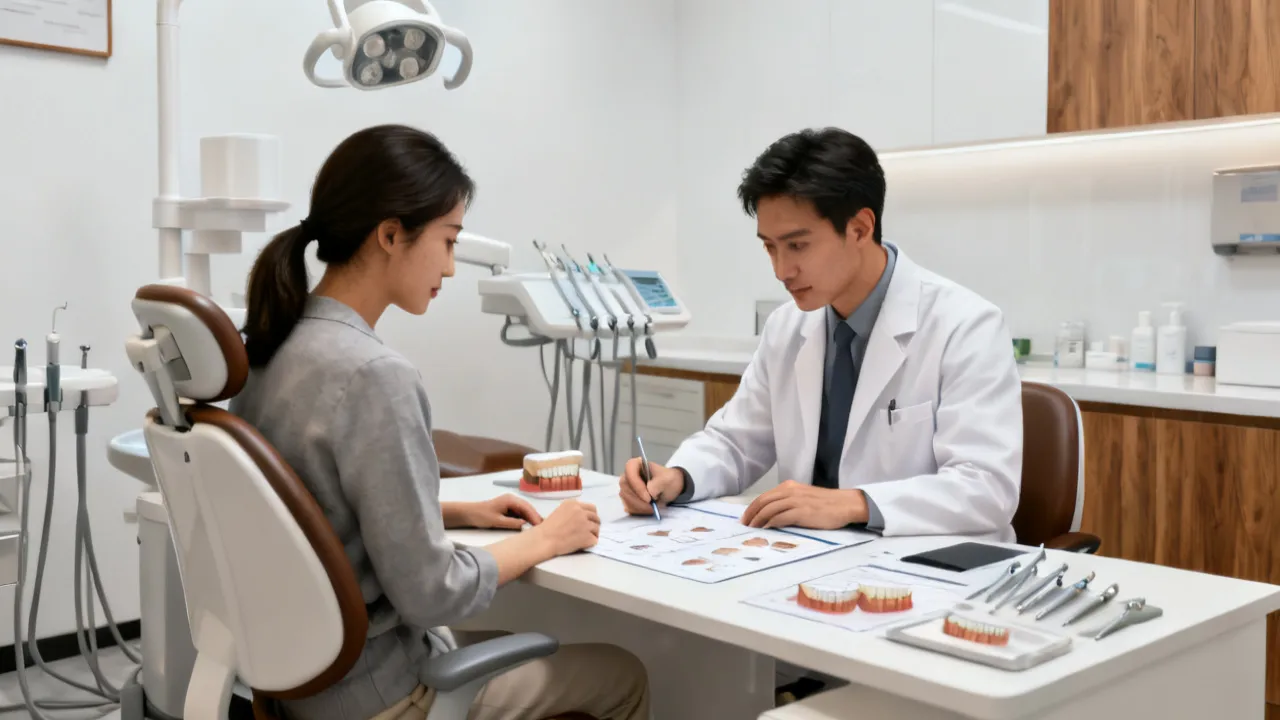
This guide explains how low-cost dental implants are evaluated, planned, and priced in major English-, Spanish-, and Portuguese-speaking markets. It compares trusted information sources, outlines step-by-step paths to affordable treatment, and gives implant-only cost ranges by country. The content is objective and updated using publicly available online references.
1) Executive overview: what “low-cost dental implants” means in practice
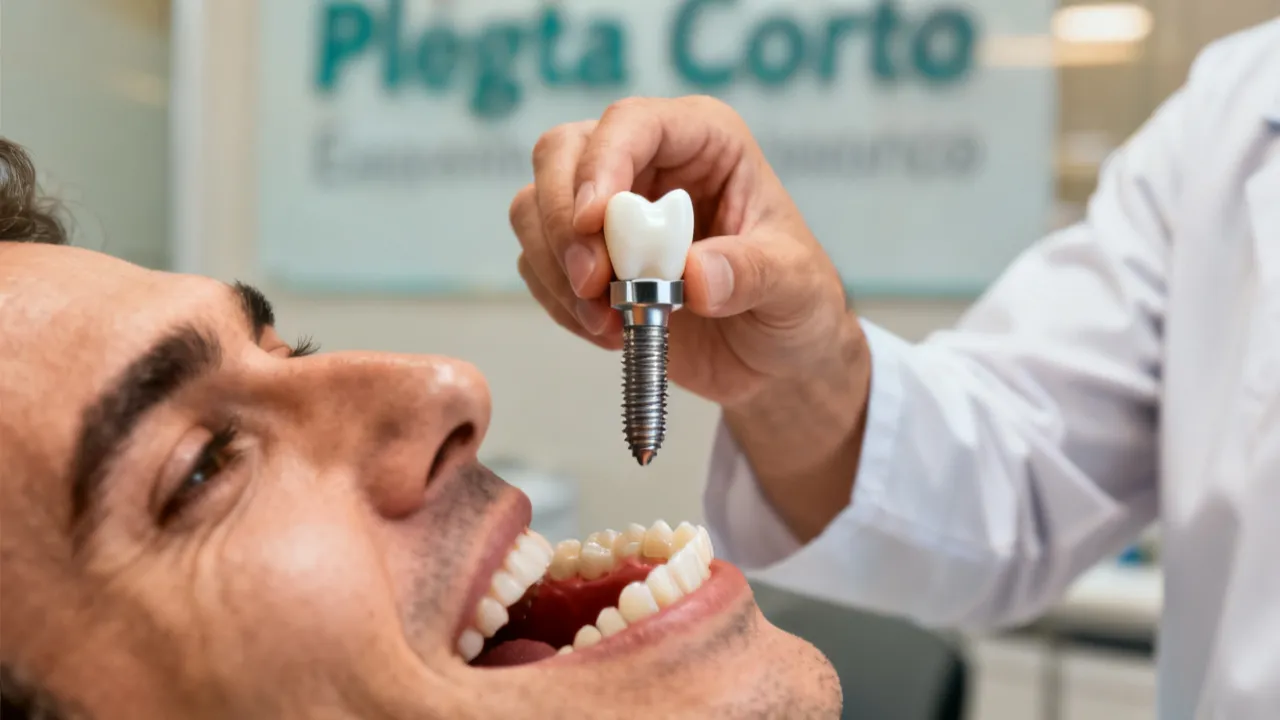
Low-cost dental implants are not a single product, brand, or “universal” package. In practice, “low-cost” is usually a pricing approach that is shaped by many variables: surgical planning style, implant system selection, material choices, clinic overhead, appointment efficiency, prosthetic design strategy, and how the treatment pathway is organized. Two patients can both see an advertisement that says “low cost,” yet end up with noticeably different care components and follow-up requirements.
When patients search for 95999028383x—a token often used as a shorthand indicator for cost-conscious intent—the most important takeaway is this: the lowest headline price you see online is rarely the same thing as the best overall value. “Value” implies the lowest price that also includes the clinical diagnostics, component completeness, and quality safeguards that reduce the risk of remakes, complications, and unpleasant surprises later. An expert evaluation typically includes clinical risk review, imaging-based prosthetic planning, and a transparent breakdown of what is actually included in the final price (implant placement, abutment, and the final crown or bridge).
Professional dental providers and dental insurance organizations tend to frame dental implants through the lens of function, oral health compatibility, and individualized suitability rather than marketing slogans. From an industry perspective, a reliable way to reduce cost without cutting critical corners is to optimize your treatment plan. That can mean staging procedures, selecting an approach that matches your anatomy, comparing implant system options with the prosthetic plan in mind, and using validated insurance or financing routes where they apply.
Finally, a practical mindset helps: treat “low-cost dental implants” as a set of decisions you can verify (what is included, what is excluded, what diagnostics were performed, what warranty exists, and how follow-up care will be handled). If a clinic cannot clearly explain those elements, the apparent discount may later become more expensive in time, money, and comfort.
2) Background context on dental implants and the factors behind pricing
Dental implants are complex because they are rarely a single-step event. In most cases, you are paying for a sequence of clinical work and multiple components. Even when marketing language emphasizes “the implant,” pricing typically reflects a combination of:
- Surgical component (the implant fixture placed in bone)
- Connection components (abutment and related connection parts)
- Prosthetic component (crowns, bridges, or dentures supported by implants)
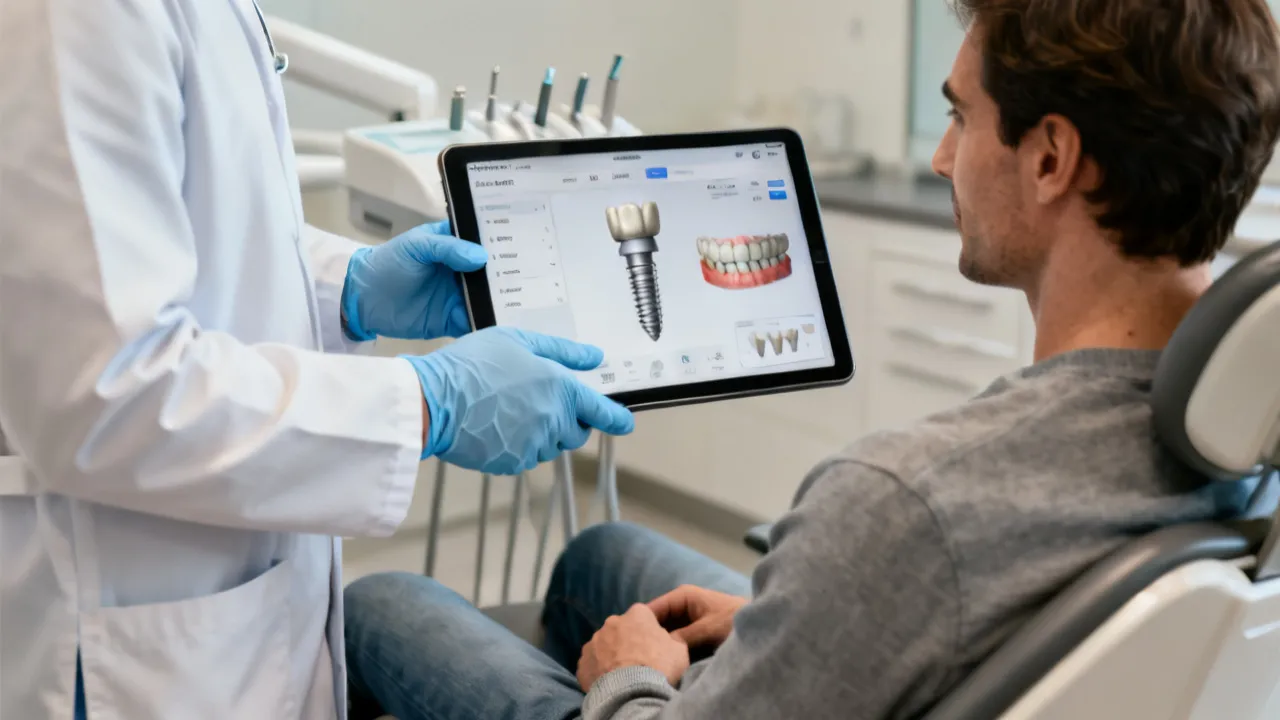
- Diagnostics and planning (CBCT imaging, digital scans, prosthetic-driven planning tools)
- Regenerative needs (bone grafting, ridge preservation, sinus considerations when clinically indicated)
- Number of implants and case complexity (single-tooth vs. multi-tooth vs. full-arch rehabilitation)
- Laboratory work (custom abutments, crown fabrication, esthetic and functional tuning)
- Staffing and scheduling model (how many chairside visits, how many assistants, treatment coordinator time)
- Anesthesia and comfort management (local anesthesia only vs. sedation, depending on needs)
- Post-operative monitoring (follow-up schedule and documented maintenance guidance)
Because of these moving parts, two patients with “the same missing tooth” can receive materially different clinical approaches. One patient might need no grafting and be eligible for a streamlined timeline. Another patient might have bone deficiency, inadequate keratinized tissue, or unfavorable positioning that requires additional steps to achieve a predictable prosthetic outcome.
For that reason, professionals typically recommend that anyone comparing low-cost offers request itemized estimates. It’s not enough to compare a single number without understanding what the number includes and excludes. This is especially relevant when comparing across international providers or dental tourism packages, where what you pay locally may not include necessary follow-up later for routine checks, occlusal adjustment, or management of healing-related issues.
Additionally, implants involve long-term biological and mechanical considerations. The implant is placed in bone and relies on stable healing. The prosthetic must be designed for correct load distribution and maintainability (for example, screw-retained components, access for cleaning, and the ability to address technical complications). A low price can be legitimate if it reflects efficient scheduling and appropriate case selection. A low price can also be a signal that the quote is incomplete or assumes ideal conditions that do not apply to your mouth.
From a patient education standpoint, it helps to understand where cost concentrates:
- Prosthetic costs often represent a major portion of total treatment because of lab work, material selection, and esthetic/functional design.
- Imaging and planning can appear “minor” in marketing materials but are critical for avoiding wrong positioning, inaccurate measurements, and prosthetic mismatch.
- Grafting can dramatically increase total cost if needed; it may also alter the timeline.
- Provider experience matters; experienced teams may reduce procedural complications and remakes, which indirectly affects cost stability.
3) Where patients typically look for affordability (and what to watch)
In English-speaking and other international markets, common pathways include:
- Low-cost implant clinics that publish general cost explanations and commonly asked questions
- Dental group providers offering broad services such as cleaning, orthodontics, implants, and emergency care
- Dental tourism services that compare clinic costs across countries and organize travel arrangements
- Dental insurance guides and plans that reduce out-of-pocket expenses if coverage applies
- Financing and installment plans offered directly by clinics or through third-party lenders
Yet an expert lens requires careful evaluation of what is actually included: initial consultation, imaging, implant placement, abutment and prosthetics, temporary teeth, anesthesia, lab fees, post-operative visits, and warranties. In some systems, lower headline prices may reflect fewer included services—so your total care cost can shift after the diagnostic stage.
It’s also worth noting that implant pricing can be structured in at least two ways:
- All-in packages that try to cover most components and visits in one bundle
- Component-based pricing where the implant fixture is quoted first, and then abutments and crowns are priced separately
Both models can be legitimate. The difference is that component-based pricing can feel cheaper at first glance but may create budgeting problems if you do not get itemization early. Conversely, an all-in package can be helpful for predictability, but it can also hide limitations if the scope depends on “ideal conditions.”
Here are common “watch points” that can affect your true cost:
- Unclear prosthetic details: ask what material and design are included (zirconia, metal-ceramic, hybrid, etc.).
- Missing bone graft disclosure: ask whether grafting is likely, and whether it is priced separately.
- Unclear number of follow-up visits: confirm how many post-op checks are included.
- Unclear warranty: implants can have warranties related to components or technical outcomes; ask for written details.
- Short consultation time: if you are not given a clear diagnostic pathway, you may not be seeing the full planning effort reflected in the price.
- Different currencies and FX risk: dental tourism quotes may use exchange rates that change between deposit and treatment day.
Ultimately, affordability is best achieved not by guessing what’s included, but by forcing clarity up front—especially when you see unusually low numbers.
4) Reframing the keywords in an objective way: cost, information quality, and decision-making
You mentioned 95999028383x as a keyword token. In practice, patient queries that include unusual tokens often signal “I’m looking for an affordable option,” “I want a verification checklist,” or “help me understand which clinics are credible.” The objective response is to treat affordability as a set of verifiable decisions rather than a single number you should chase blindly.
An objective decision framework focuses on:
- Clinical suitability: are you a candidate for the proposed implant approach?
- Transparent scope: do you receive an itemized treatment plan with component-level clarity?
- Provider accountability: who places the implant, who designs the prosthetic, and who manages follow-up?
- Documented outcomes: can the clinic discuss success rates or share evidence within regulatory constraints?
- Risk disclosure: does the clinic discuss healing risks, prosthetic risks, and maintenance responsibilities?
- Practical continuity: if you need future adjustments, where and how will they be handled?
This reframing also explains why authoritative insurance resources and more patient-centered clinic-information sites focus on process and planning, not simply low pricing. The implant itself is only part of the outcome; planning quality influences implant positioning, prosthetic fit, and long-term stability.
To make this actionable, you can ask for a “scope map” from any provider you consider. The scope map is a clear list of what is included (and what isn’t). Once you have it from two or more providers, you can compare apples to apples. If one quote lacks the scope map, it’s often safer to treat it as incomplete information rather than as a true low-cost option.
5) Comparison of online information sources (low-cost dental implants)
The following table compares public websites that help users understand low-cost implant options or the broader implant journey. The purpose here is education—what each source might help patients learn—not to declare any single site the “lowest price provider.” Patients should still request itemized clinical quotes from providers.
| Website | What it helps patients understand |
|---|---|
| Dental Views (Low-Cost Dental Implants) | Explains typical benefits, common implant treatment categories, the general implant process, frequently asked questions, and cost-related considerations |
| Atlantic Dental Group | Shows how a multi-service clinic frames implants among other treatments, and how scheduling and provider teams are communicated |
| DentaVacation | Discusses dental tourism logic—how patients may compare costs across countries and coordinate travel for affordability |
| ADHP (American Dental Health Plans) – reference context | Provides guidance on dental insurance plans and how coverage may reduce out-of-pocket expense for eligible dental procedures |
source: [www.dentalviews.com](https://dentalviews.com/low-cost-dental-implants/) ; [www.atlanticdentalgrp.com](https://www.atlanticdentalgrp.com/) ; [www.dentavacation.com](https://www.dentavacation.com/) ; [rockvilledentalarts.com/es](https://rockvilledentalarts.com/es/)
When using educational websites, a good strategy is to treat them as a “question builder.” For example, if a site explains that implant pricing can vary due to bone grafting needs, you can use that information to ask your provider: “Is grafting likely in my case, and how much would it add?” If a site explains that follow-up care matters, you can ask how post-op monitoring works and whether complications are addressed on schedule.
Additionally, remember that educational sites can be helpful but may not show the fine print of a specific clinic’s package. Always translate what you learn from an informational page into direct questions for your chosen provider.
6) How to get dental implants at low cost in English-speaking countries (step-by-step)
Below is a structured, practical approach aligned with how many reputable clinics and insurers encourage patients to proceed. You can use it whether you’re searching near large urban centers or smaller communities—just adapt scheduling and imaging availability to local realities. The goal is to keep affordability tied to a transparent plan.
Step 1: Confirm clinical eligibility early
Schedule an initial consultation and ask for a diagnostic workflow rather than a “quote-first” approach. Specifically ask:
- CBCT or 3D imaging recommendations (if not already available)
- Assessment of bone volume and periodontal health
- Review of medical conditions that may affect healing (diabetes control, smoking/vaping history, medications, etc.)
- Review of oral hygiene capacity and ability to commit to maintenance
Low-cost plans should never skip diagnostics. If imaging is not discussed, ask why and request an evidence-based rationale. A clinician who explains the reasoning—rather than dismissing your question—builds confidence.
In some cases, a provider may propose a “simplified” approach (for example, a less involved timeline). Still, you should ask what diagnostic data supports that simplification. If you are not given a clear explanation, treat the offer as conditional rather than guaranteed.
Step 2: Request an itemized estimate (not just a headline price)
Ask your provider to break down the quote into the components that drive cost. A detailed list helps you compare across clinics and avoids budget surprises. Ask them to include:
- Implant fixture
- Abutment/connection components
- Prosthetic crown/bridge/denture
- Any bone graft or related procedures (if clinically indicated)
- Temporary restorations during healing (if needed)
- Imaging costs (CBCT scans, digital scans)
- Lab fees for crown/bridge fabrication
- Follow-up visits and post-operative checks
- Included medications or comfort-related services (as applicable)
A good clinic will provide a written estimate or treatment plan summary. If they only provide a single price number and no itemization, ask again. If they resist, that is a signal to proceed cautiously.
Step 3: Compare implant systems and treatment complexity
In affordability-focused pathways, clinicians may discuss alternatives in implant systems, prosthetic materials, and staged approaches. From an expert standpoint, the correct question is not “Which implant system is lowest price?” but “Which implant system and prosthetic design fit my anatomy and lead to a predictable outcome?”
When comparing options, ask about:
- Implant diameter and length suitability based on imaging
- Connection type and whether it is compatible with the prosthetic plan
- Loading protocol (immediate vs. staged) and the criteria for each
- Prosthetic material options and the reason for their selection
- Esthetic planning (especially for front teeth): how gingival contours and crown shape are designed
Importantly, two low-cost quotes can both be “cheap” but cheap for different reasons. One may be cheaper because it’s appropriate for your anatomy and bone quality. Another may be cheaper because it assumes no grafting and uses a prosthetic approach that may need technical adjustments. Only itemized plans and imaging-based explanations reveal the real cause.
Step 4: Explore insurance and financing options
For eligible conditions, dental insurance may reduce out-of-pocket expenses, though implant coverage varies widely. Insurance websites and plan guides often explain how to confirm coverage and submit claims. If you’re considering insurance, ask your insurer or provider directly:
- Is the implant fixture covered, the prosthetic, or both?
- Are there waiting periods?
- Do you need pre-authorization?
- Are there preferred providers or network restrictions?
- What documentation is required from the dentist?
Also ask the clinic to help you understand how they handle insurance paperwork, because administrative support can reduce errors and delays. A delay can indirectly increase your costs if it affects timing or requires additional appointments.
If insurance is not available or does not cover implants, financing can help. Still, financing should not replace clinical transparency. Ask for:
- Interest rate details and total payback amount
- Whether any deposit is refundable
- How treatment timelines change if financing is approved or delayed
Step 5: Ask about warranty and maintenance expectations
Implants are long-term restorations, so maintenance affects overall cost stability. Ask:
- What is covered under any warranty (components, workmanship, prosthetic repairs, remakes)?
- How complications are handled (implant failure, screw loosening, crown fracture)
- What preventive maintenance schedule is recommended
- Whether regular follow-ups are included in your package or priced separately
Some clinics include periodic maintenance checks as part of a long-term commitment; others price them separately. Either can be fine if you know it upfront. The best “low-cost” strategy is one that minimizes future uncertainty.
7) How to get dental implants at low cost in Spanish-speaking countries (step-by-step)
Patients in Spanish-speaking markets often benefit from bilingual clinic communication or Spanish-language service descriptions that improve clarity and adherence. When treatment plans are explained in a patient’s native language, you’re more likely to understand staging, aftercare, expected timelines, and warning signs after surgery.
From a practical perspective, clarity improves decision-making and can reduce avoidable complications due to misunderstandings about wound care or hygiene habits.
Step 1: Start with a Spanish-capable consultation
When selecting providers, confirm you can discuss treatment stages in Spanish. This is particularly important for topics such as bone preservation, grafting, post-operative care instructions, and what to do if swelling or discomfort occurs after surgery.
Ask whether the clinic can provide:
- Printed treatment explanations in Spanish
- Written consent forms in Spanish
- Post-operative instructions in Spanish
- A contact pathway for follow-up questions
Step 2: Consider specialized approaches when indicated
Some clinics offer specialized mini dental implants for certain clinical scenarios. If you’re exploring options described as “mini,” ask for the clinical reasoning: bone quality, loading conditions, and the prosthetic outcome you can realistically expect.
Mini implants may work in some cases, but they are not automatically a “low-cost upgrade.” Ask how success is measured in your case. Ask how the clinic handles occlusion and how cleaning access is maintained. If the mini implant approach is chosen, you want a plan that remains stable under realistic biting forces.
Step 3: Use insurance education resources where available
Insurance guidance that explains implants in plain language can help you clarify what documentation you need and how coverage might work. In many countries, you may also have hybrid models where a portion of prosthetic work is covered while the implant fixture is not, or vice versa.
Ask for a pre-authorization process if it exists. If you need forms, clarify who submits them—the patient, the clinic, or both.
Step 4: If considering dental tourism, verify continuity of care
If you plan to travel for lower pricing, focus on continuity. Questions to ask include:
- Where will follow-up visits occur?
- What happens if you need an additional adjustment or repair?
- Is there a protocol for post-operative checks before you leave?
- Do they provide documentation that your local dentist can read (implant type, dates, x-rays, surgical notes)?
Dental tourism can be reasonable when the plan is well coordinated. It becomes risky when travel compresses care timelines or follow-up responsibilities are unclear.
8) How to get dental implants at low cost in Portuguese-speaking countries (step-by-step)
Brazilian and Portuguese-language providers often emphasize comprehensive dental care and patient experience. When seeking lower costs, you can still apply the same expert approach: verify clinical suitability, demand itemized estimates, and confirm follow-up coverage and responsibilities.
In Portuguese-speaking markets, you might also find clinics that integrate implants with aesthetic dentistry, orthodontics, or broader “full mouth” programs. This integration can be helpful—if you understand what you need and how much each stage costs.
Step 1: Identify the range of services offered by your provider
Some clinics integrate implants with aesthetic dentistry, orthodontics, and preventive care. This can matter for overall cost planning if you also need preparatory work such as cleanings, periodontal therapy, or adjustments to existing restorations.
Ask:
- Is periodontal treatment included if required?
- Will existing teeth restorations need adjustment before implant placement?
- How does the clinic manage esthetic planning if the implant is in a visible zone?
- Are there additional charges for digital planning, imaging, or lab work?
Step 2: Ask whether your case requires additional procedures
Low-cost quotes sometimes assume ideal conditions. Ask whether you might need:
- Bone grafting or sinus considerations
- Extractions or periodontal stabilization
- Temporary restorations during healing
- Occlusal adjustments or night guard recommendations
If the clinic says “most patients don’t need grafting,” ask how that general statement applies to your measurements. You should not decide based on generalities.
Step 3: Evaluate the total timeline cost
Affordability is not only about the implant invoice—it’s also about the timeline and number of appointments. Ask for:
- The expected timeline from consult to final crown
- The number of appointments in each stage
- Which visits are included in the package
- Whether additional visits are likely and what they cost
Longer timelines can be appropriate for healing. The point is to understand whether extra time is due to biological needs (good reason) or due to organizational gaps (less desirable). Your quote should reflect realistic scheduling.
9) Cost ranges for individual dental implants (by country, by market language)
The following implant-only cost ranges are presented as typical published references for an individual implant in each listed country and currency. Final pricing depends heavily on clinical factors and included components—especially whether the crown/abutment, grafting, imaging, and follow-up visits are included or priced separately. Use these ranges as a starting point for negotiation and budgeting, not as a guarantee.
| Country (language market) | Currency | Price range (implant only) |
|---|---|---|
| United States (English) | USD ($) | $3,000 - $6,000 |
| United Kingdom (English) | GBP (£) | £2,000 - £2,500 |
| Australia (English) | AUD (AU$) | AU$3,500 - AU$6,500 |
| Canada (English) | CAD (CA$) | CA$3,000 - CA$5,500 |
| Spain (Spanish) | EUR (€) | €1,500 - €2,500 |
| Chile (Spanish) | CLP (CLP$) | CLP$800,000 - CLP$1,500,000 |
| Mexico (Spanish) | MXN ($) | $15,000 - $25,000 |
| Colombia (Spanish) | COP (COP$) | $2,000,000 - $4,000,000 |
| Peru (Spanish) | PEN (S/) | S/ 3,000 - S/ 6,000 |
| Argentina (Spanish) | ARS ($) | $80,000 - $150,000 |
| Brazil (Portuguese) | BRL (R$) | R$3,000 - R$8,000 |
| Portugal (Portuguese) | EUR (€) | €1,000 - €2,000 |
If you plan to compare offers across borders, ask each provider to state what is included in their implant-only price and what is separate. For example, crown costs are often priced separately, and abutment pricing can vary depending on whether it is stock or custom. This is where dental tourism comparisons can mislead unless the scope is consistent.
Additionally, the “implant-only” range is only one dimension. If you’re comparing overall affordability, you should estimate your probable total cost including:
- Diagnostic imaging and digital scans
- Possible bone grafting or sinus-related procedures
- Temporary restoration stage (if needed)
- Final crown or bridge (and whether it’s included)
- Follow-up visits and maintenance
A clinic that appears to be “$1,000 cheaper” might actually include less—leading to higher total cost when the prosthetic component is added. Conversely, a slightly higher implant-only quote might be more cost-effective if it includes imaging, temporary work, and a robust warranty.
10) Practical evaluation: negotiating low cost without compromising safety
When working toward affordability, the “top value” options often share a few traits. They don’t necessarily share the same implant system. They share quality behaviors:
- Clear diagnostic workflow (imaging, risk review, prosthetic plan)
- Honest itemization (implant fixture vs. abutment vs. prosthetic)
- Documented follow-up (post-op checks and maintenance guidance)
- Ethical transparency about what affects candidacy and outcomes
- Written timeline that matches healing realities
From an expert decision framework, you want to minimize uncertainty. A lower cost that increases uncertainty—such as missing diagnostics, vague warranty language, or unclear component compatibility—may not reduce true total cost when complications or remakes are considered. Remakes can cost more than the original difference, and they can also extend downtime or affect comfort.
Negotiating low cost can also be done constructively. Instead of trying to “drive the price down” with vague bargaining, negotiate scope clarity and predictability:
- Ask for an “implant + prosthetic” all-inclusive estimate.
- Ask which parts are included and which are not.
- Ask whether any additional procedures are expected for your specific measurements.
- Ask for a written warranty that clarifies what happens if things fail technically or mechanically.
- Ask what preventive maintenance schedule is required to keep warranty valid (if applicable).
If the clinic offers discounts, ask what triggers them. Sometimes discounts apply only if you accept a particular prosthetic material, timeline, or financing structure. That’s not inherently wrong, but you should ensure the discount doesn’t remove key safeguards.
Another practical approach is to request a “two-phase estimate.” In Phase 1, you confirm diagnosis and implant placement. In Phase 2, after imaging and prosthetic planning, you confirm the crown/bridge and final cost. This method reduces the chance that the clinic’s initial quote is overly optimistic and forces you to pay more later.
11) Country-specific context: common provider approaches seen in public clinic descriptions
Public descriptions of services can guide your expectations, especially around how clinics explain implants, how they schedule treatment, and whether they emphasize patient education. While each clinic’s protocol is unique, the patterns below can help you interpret how to ask questions.
English-speaking markets (examples of information approaches)
- Dental Views tends to present low-cost implant information as a patient education pathway: benefits, treatment types, and process overview.
- Atlantic Dental Group presents implants as one part of a broader clinic offering and highlights access mechanisms such as scheduling and team professionalism.
- DentaVacation frames affordability as comparative pricing across countries, with travel coordination as a key service element.
- ADHP (American Dental Health Plans) focuses on insurance education, helping patients understand plan selection and how coverage may reduce expenses.
In these markets, patient education resources often stress transparency and planning. The best strategy is to convert that education into your own checklist for each clinic you contact.
Spanish-speaking markets (examples)
- Rockville Dental Arts offers Spanish-language access to comprehensive care information, which may be particularly beneficial for patients who prefer detailed communication in their native language.
- Union City Mini Dental Implants is described as specialized in mini dental implants, which can be relevant for certain clinical scenarios. As always, suitability must be confirmed clinically.
- Cigna – Guide to Dental Implants provides an insurance-education style explanation designed to help users understand the implant topic in Spanish.
Spanish-speaking sources may also emphasize how to manage insurance documentation and follow-up instructions. When possible, use those resources to ask for clarity around coverage eligibility and post-op care expectations.
Portuguese-speaking markets (examples)
- Rubi Odonto is described as offering a mix of orthodontics, whitening, and dental implants within a clinic environment in Santo André.
- Odontologia Velasco is described as providing implants, prosthetics, and aesthetic dentistry using modern technologies.
- DentalVidas is described as offering dental plan options and emergency coverage availability, which can influence affordability planning when used appropriately.
Portuguese-language clinics sometimes integrate implants into broader aesthetic rehabilitation. This integration can reduce coordination costs if you truly need multiple services. Still, ask for itemization so you can compare quotes fairly.
12) FAQs: low-cost dental implants, cost clarity, and decision safety
Q1: Are low-cost dental implants always the same as “mini implants”?
No. “Low-cost” can apply to standard implant systems, staged treatment plans, prosthetic variations, or financing/insurance structures. Mini implants are a specific approach designed for particular clinical conditions. A clinician should confirm suitability based on your bone and loading needs, as well as your prosthetic outcome goals.
Q2: What’s typically included in an implant quote?
Many estimates include only the implant fixture and related surgical components. The abutment and crown/bridge may be priced separately. Some clinics include imaging and lab fees; others quote them as separate line items. Always ask for an itemized breakdown so you can compare quotes fairly.
Q3: Will insurance cover dental implants?
Coverage depends on the insurance plan and eligibility criteria. Insurance guidance resources generally advise confirming coverage details, waiting periods, and documentation requirements before proceeding. In some plans, implants may be partially covered when certain conditions are met, while prosthetics may have a different coverage rule. Ask your provider and insurer for a written summary.
Q4: If I go through dental tourism, is follow-up care guaranteed?
Not automatically. Good providers coordinate follow-up, but you should confirm the post-operative plan: where follow-ups occur, who manages complications, and what documentation you receive for your local care provider. Ideally, your hosting clinic supplies a full surgical record and component details, so a local dentist can continue care.
Q5: How can I tell whether a “discount” is credible?
Ask for diagnostic imaging, itemized pricing, component-level clarity, and a warranty or maintenance outline. Credible affordability is usually accompanied by transparency rather than merely a low headline number. If the clinic cannot clarify scope, your discounted offer may be incomplete.
Q6: Why do prices vary so much between countries?
Prices reflect differences in healthcare delivery costs, lab and prosthetic pricing, clinic overhead, provider experience, and clinical complexity. Even within the same country, quotes vary depending on whether grafting or additional procedures are needed. Exchange rates and taxation rules can also influence pricing for international patients.
Q7: What questions should I ask during the first consultation?
Common expert-level questions include: your candidacy for the proposed technique, required diagnostics, whether bone grafting is likely, what is included in the total cost, timeline expectations, and the post-op follow-up schedule. Also ask: who is responsible for each stage (surgery, prosthetic design, final fitting), and how they handle complications if they occur.
Q8: What does “implant-only” pricing usually exclude?
Implant-only pricing commonly excludes the prosthetic crown/bridge and may exclude certain abutment-related components depending on the clinic. It may also exclude imaging, lab fees, temporary restorations, and follow-up checks. Confirm what is included to avoid budget surprises.
Q9: Can I reduce cost by delaying the final crown?
Sometimes clinics may allow you to delay the prosthetic stage, but it should not be a decision you make without medical advice. Delaying a crown can increase risks to implant stability or hygiene if temporary components do not function well. Ask your clinic about the risks, the recommended timeline, and the cost impact of staging.
Q10: Is it safe to choose the cheapest quote if the diagnosis seems similar?
Cheapest does not always mean unsafe, but you should not choose a provider based purely on price if the included components and warranty terms are not comparable. Look for scope alignment: similar imaging quality, similar prosthetic materials, similar follow-up schedule, and a clear plan for repairs or remakes. If any of those differ, the “cheapest” quote may carry hidden costs.
13) Conditions and requirements you should expect before proceeding
To keep affordability aligned with safety, you should generally expect the following clinical and administrative requirements before signing or paying large deposits:
- Clinical assessment of oral health, periodontal status, and bone condition
- Imaging-based planning (often CBCT or equivalent where clinically appropriate)
- Written treatment plan describing stages and expected outcomes
- Informed consent covering risks such as healing complications, prosthetic adjustments, and potential need for additional procedures
- Insurance or financing confirmation (if applicable), including what is pre-approved and what is not
- Post-operative follow-up schedule with clear responsibilities
- Maintenance plan: cleaning frequency, retainer recommendations, and hygiene instructions
Clinics that rush these steps may appear cheaper up front. However, you should consider that implant success depends on biological healing, accurate positioning, and prosthetic design. Skipping planning can increase the probability of technical complications.
Also, certain patient factors often affect candidacy and cost. While your provider will advise you on an individual basis, common factors include smoking status, diabetes control, medication effects, and oral hygiene consistency. If those factors are problematic, you may need additional stabilization steps that affect your total cost.
14) Practical checklist: turning information into a cost-controlled decision
Use this checklist before signing or paying deposits. The goal is cost control through clarity, not through cutting off necessary care:
- Request an itemized estimate (implant fixture, abutment, prosthetic crown/bridge, imaging, lab fees)
- Ask whether bone grafting or extractions are likely and whether they change the price
- Confirm the implant system and component compatibility with the planned prosthetic
- Ask for expected number of appointments and timeline (including potential extra visits)
- Clarify warranty terms and what follow-up care includes
- If using insurance: confirm pre-authorization needs and documentation
- If using dental tourism: confirm follow-up responsibilities after you return, including who handles complications
- Ask what happens if the crown/bridge needs remaking (cost and timeframe)
- Ask whether a night guard or bite adjustment is recommended if you clench or grind
- Ask what maintenance or cleaning tools are recommended for implant-supported restorations
To make the checklist even more effective, compare two clinics using the same categories. For example, if Clinic A provides an implant-only price and Clinic B provides an all-in price, you may think Clinic A is cheaper—but it may not be cheaper after you compare prosthetics and follow-up visits. Align the categories first, then compare the numbers.
Another cost-control tactic is to ask for a “best case” and “realistic case” estimate. Best case assumes ideal healing and no grafting; realistic case includes likely add-ons based on imaging. A reputable clinic can often provide a probability-based estimate (for example, “based on your bone measurements, grafting is likely / possible / unlikely”). That transforms budgeting from guesswork into planning.
15) Conclusion: the very reliable path to low-cost dental implants
Low-cost dental implants are best understood as an evidence-based plan that balances affordability with diagnostics, transparency, and continuity of care. Instead of chasing only the lowest price, aim for a documented treatment pathway where you can verify what you are paying for—especially when comparing across clinics or across language markets.
If you’re using a reference token like 95999028383x to narrow your search, treat it as a starting signal to gather comparable information. Ask the same set of questions, request itemized estimates, confirm eligibility with imaging-based planning, and ensure that warranty and follow-up care are clearly explained.
Affordable does not have to mean uncertain. When clinics are transparent about diagnostics, component scope, prosthetic planning, and post-operative responsibilities, patients can make decisions with confidence. That is the most reliable way to obtain true low-cost dental implants—without compromising safety or long-term outcomes.
Disclaimer
1) The above information comes from online resources, and the data is as of October 2023. 2) Dental implant prices are for reference only and may vary by region, clinic and doctor.
References (links used in the article)
- https://dentalviews.com/low-cost-dental-implants/
- https://www.atlanticdentalgrp.com/
- https://www.dentavacation.com/
- https://rockvilledentalarts.com/es/
- https://unioncityminidentalimplants.com/es/
- https://www.cigna.com/es-us/knowledge-center/guide-to-dental-implants
- https://www.rubiodonto.com.br/
- https://odontologiavelasco.com.br/
- https://dentalvidas.com.br/
-

A Guide to Cost-Efficient Small Electric Cars for Seniors
-
Mastering Debt Consolidation: Boost Your Credit Score and Manage Interest Rates
-
Your Guide to Loans, Credit Checks, and Interest Rates
-
Affordable Independent Living: Finding the Right Senior Housing
-
Guide to Senior Living Apartments: Affordable and Comfortable Environments