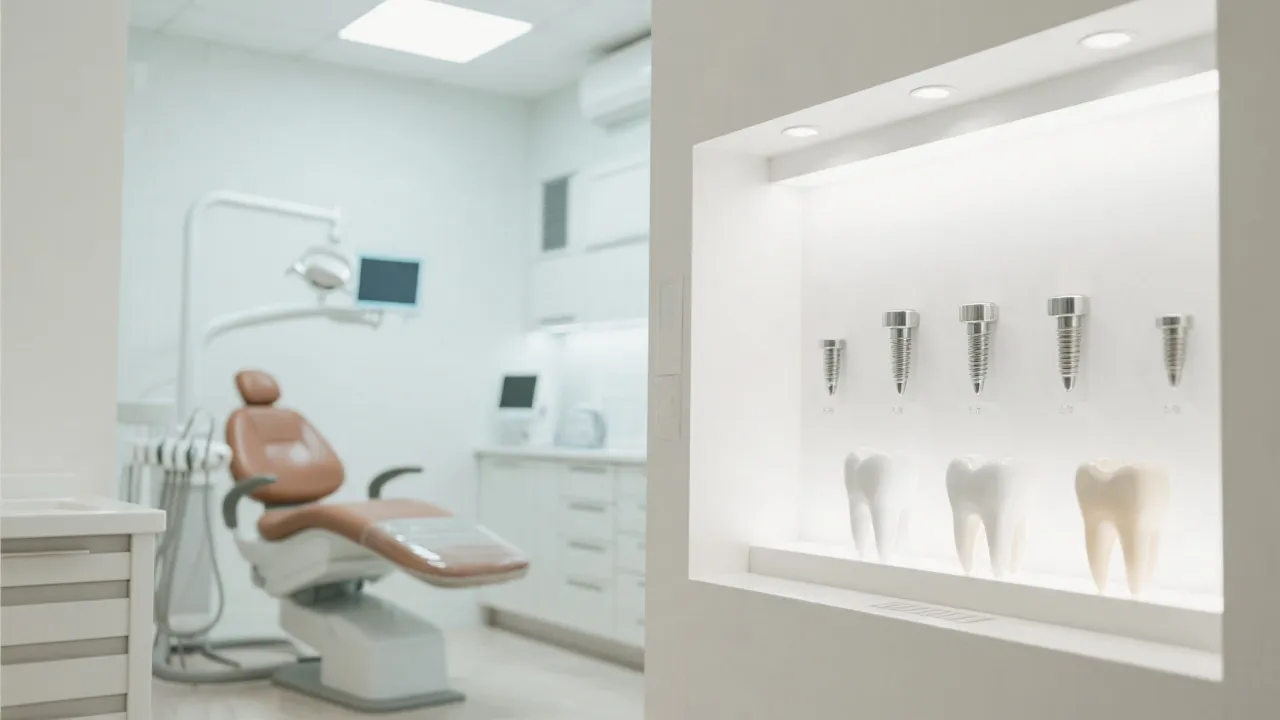
Comprehensive Guide to Dental Implants
This guide explores the landscape of dental implants, offering insights on cost-effective solutions available in English, Spanish, and Portuguese-speaking regions. It delves into the critical aspects of dental implants, their benefits, procedures, and how to access affordable options, catering to those seeking a seamless and healthier smile through professional dental care.
The World of Dental Implants
Dental implants have revolutionized the field of dentistry by providing effective, long-lasting solutions to tooth loss. They offer an unparalleled blend of aesthetic and functional benefits, making them a popular choice among dental procedures. Implants not only restore the complete functionality of teeth but also significantly improve oral aesthetics, boosting confidence and quality of life. In essence, they serve as the closest alternative to natural teeth by providing stability, high durability, and better oral health support. Unlike dentures or bridges, dental implants integrate into the jawbone, creating a strong foundation for replacement teeth. This integration is known as osseointegration and is a critical factor in the longevity and success of the implant.
Accessing Dental Implants in Nearby Regions
While dental implants can be costly, numerous clinics offer solutions that cater to different budgets. For those seeking affordable dental implant options, especially amidst fluctuating economic landscapes, many English, Spanish, and Portuguese-speaking countries offer varying cost-effective alternatives. The idea of traveling abroad for dental work, also known as dental tourism, has gained popularity in recent years. Many patients find that not only are prices significantly lower, but the quality of care and expertise in these foreign clinics can meet or exceed that of their home country.
Understanding the Costs
The price of dental implants can vary significantly across different regions. Below is a comprehensive cost table for individual dental implants within English, Spanish, and Portuguese-speaking countries:
| Country | Currency | Price Range |
|---|---|---|
| United States (US) | USD | $3,000 - $6,000 |
| United Kingdom (GB) | GBP | £2,000 - £2,500 |
| Australia (AU) | AUD | AU$3,500 - AU$6,500 |
| Canada (CA) | CAD | CA$3,000 - CA$5,500 |
| Spain (ES) | EUR | €1,500 - €2,500 |
| Portugal (PT) | EUR | €1,000 - €2,000 |
| Brazil (BR) | BRL | R$3,000 - R$8,000 |
The regional price differences are often influenced by factors such as the cost of living, competition among dental practitioners, and the availability of materials. In countries where dental tourism is prevalent, clinics often offer package deals that include not just the procedure itself but also accommodations, airport transfers, and sometimes even leisure activities, enhancing the overall experience for patients.
Steps to Economically Access Dental Implants
Regional differences in cost necessitate a strategic approach to obtaining dental implants at an affordable price:
- Research: Explore local dental clinics or those offering dental tourism services. Online platforms like DentaVacation provide detailed cost comparisons and travel arrangements for dental care abroad.
- Consult Local Dental Schools: These institutions often offer reduced-cost services under the supervision of experienced professionals. Students in training handle cases while ensuring that seasoned faculty members oversee the procedure.
- Dental Insurance Plans: Consider plans from providers such as ADHP, which can help mitigate out-of-pocket expenses by covering a significant part of the procedure costs. Some insurance may only cover a portion, so it’s essential to understand what’s included and what isn’t.
- Seek Out Clinics with Payment Plans: Establishments like DentalVidas provide plans catering to individuals and families, thereby reducing immediate financial burdens. These plans often allow for monthly payments, which can make dental procedures more financially manageable.
- Look for Clinics Offering Discounts and Promotions: Many dental practices run promotions for new patients or seasonal offers which could significantly reduce costs. Engaging with local dental offices can provide insights about upcoming offers.
- Consider Dental Tourism: Traveling to a country known for affordable dentistry can result in considerable savings while also allowing for a change of scenery. Careful selection of a clinic and thorough research into qualifications and reviews are crucial in this scenario.
Comparative Analysis of Resources
For those interested in low-cost dental implants, here is a comparison of various service providers:
| Website | Specialty |
|---|---|
| Dental Views | Low-cost dental implants |
| Atlantic Dental Group | Variety of dental services |
| DentaVacation | Dental tourism information |
| SmileDirectClub | At-home aligners and consultations |
| Implant Wisdom | Information on dental implants and advice |
Sources: Visit Dental Views, Atlantic Dental Group, and DentaVacation for further insights into dental implants. Additional resources such as SmileDirectClub and Implant Wisdom offer invaluable information.
FAQs on Dental Implants
What are dental implants?
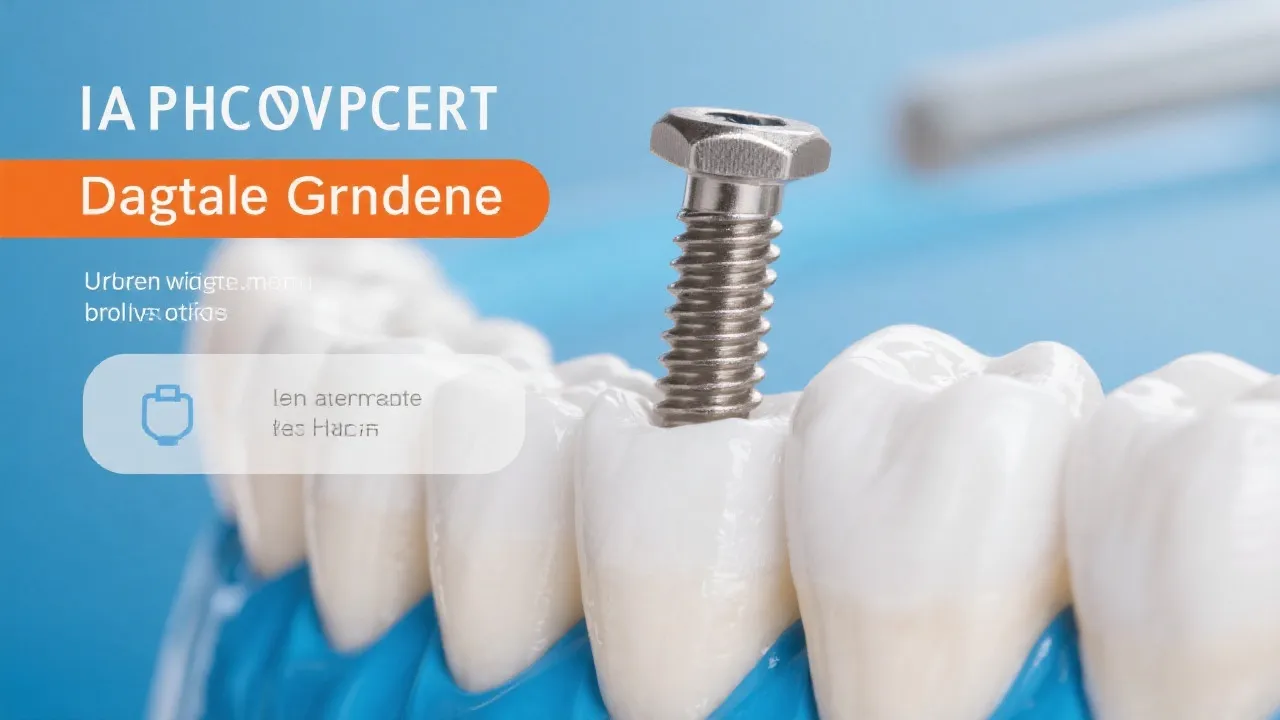
Dental implants are artificial tooth roots placed into the jawbone to support a replacement tooth or bridge. These implants are made of titanium, which is biocompatible and integrates well with bone tissue. This unique property helps ensure the stability and longevity of the implants.
What is the success rate of dental implants?
According to various studies, dental implants boast a success rate of up to 98% when properly cared for and placed by experienced professionals. Factors contributing to this high success rate include a patient’s overall health, the quality of the implant, and adherence to post-operative care instructions.
Are dental implants safe for everyone?
Very adults are suitable candidates; however, certain health conditions may necessitate medical consultations prior to undergoing the procedure. Conditions such as uncontrolled diabetes, smoking, or osteoporosis may affect the healing process and overall success of the implants. A thorough evaluation by a dental specialist will determine the best course of action.
How long do dental implants last?
With proper care, dental implants can last many years, often a lifetime. The longevity largely depends on the individual’s oral hygiene, regular dental check-ups, and lifestyle factors such as diet and smoking habits. Routine maintenance and care can significantly prolong their durability.
What is the recovery process like?
After the implant procedure, patients may experience swelling, bruising, and minor discomfort. The initial recovery can take a few days, but complete healing of the jawbone can take several months. Most patients can return to normal activities within a few days, but guidelines from the dentist must be followed to ensure optimal recovery.
Conclusion
The journey to obtaining dental implants that balance cost and quality involves more than just financial considerations. It requires careful research, understanding insurance solutions, and exploring geographic cost variations. This journey can often include meticulous planning and decision-making, as potential candidates weigh various options available to them. By leveraging available resources, patients can achieve seamless integration of dental implants, enhancing oral health and life quality. Regular follow-up visits and maintaining good oral hygiene are crucial after the procedure, preventing complications and ensuring the longevity of the implants.
Disclaimer: The above information is based on online resources and is accurate as of October 2023. Prices for dental implants are for reference purposes only and may vary depending on region, clinic, and practitioner. Always consult with a healthcare professional for personalized advice and information.
References: Information and resources from the following have been integrated for a comprehensive view: Dental Views, Atlantic Dental Group, DentaVacation, ADHP, Union City Mini Dental Implants, Cigna, Rubi Odonto, Odontologia Velasco, and DentalVidas.
Expanding Knowledge on Dental Implants
As dental implants continue to evolve with advancements in technology and materials, it is essential for patients to stay informed about new developments. Innovations such as computer-guided implant surgery have transformed the planning and execution of implant placements, allowing for more precise and efficient procedures. Furthermore, the introduction of newer materials—such as zirconia—provides an aesthetic alternative to titanium, appealing to patients concerned about visibility or biocompatibility.
Types of Dental Implants
There are primarily two types of dental implants that dental professionals utilize:
- Endosteal Implants: These are the most commonly used type of implants and are surgically placed directly into the jawbone. They can come in various shapes such as screws, cylinders, or plates, and typically require a healing period before the crown is placed on top.
- Subperiosteal Implants: These implants are placed under the gum but above the jawbone. They are often used in patients who may not have sufficient healthy jawbone for an endosteal implant. A custom-made implant frame is positioned under the gum, and as the gums heal, the frame becomes fixed to the jawbone.
The Process of Getting Dental Implants
Understanding the steps involved in obtaining dental implants can help alleviate anxiety for prospective patients. Here is a typical outline of the process:
- Initial Consultation: The first step involves a thorough evaluation by a qualified dentist or oral surgeon. They will assess oral health, take X-rays, and develop a personalized treatment plan.
- Preparation: If there is any need for tooth extraction or bone grafting due to insufficient bone density, these procedures typically occur prior to implant placement.
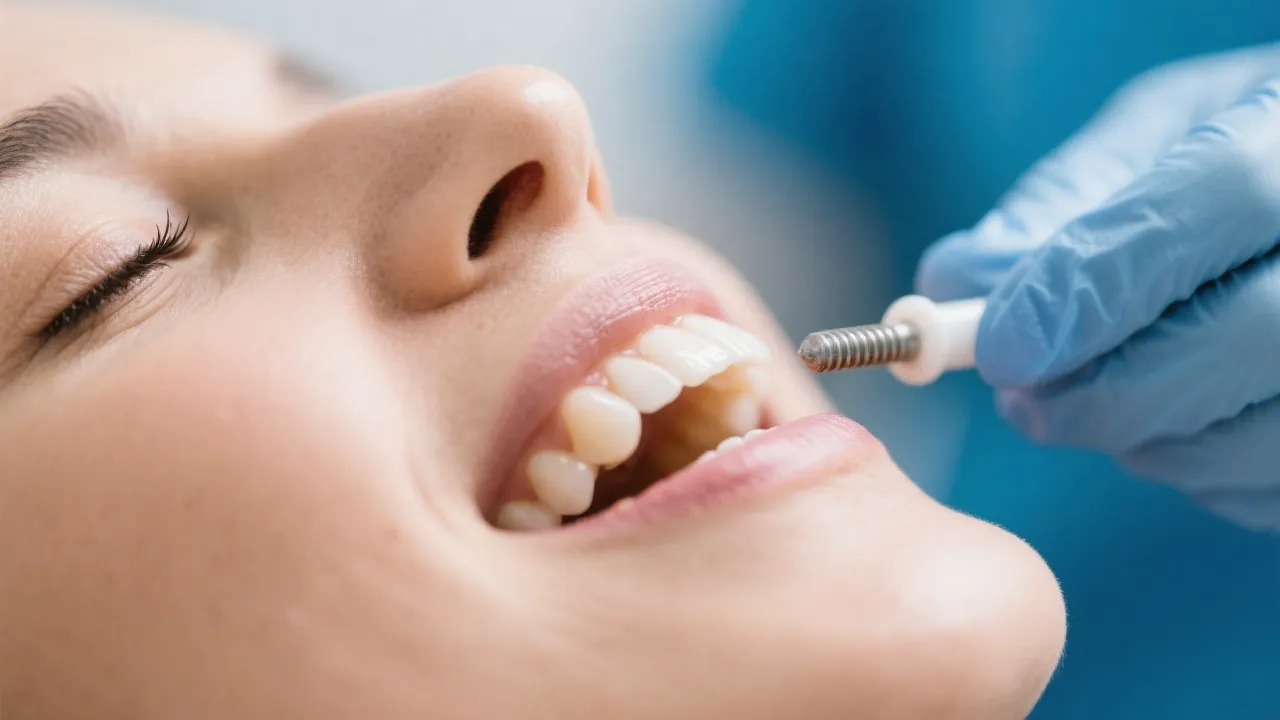
- Implant Placement: The dental implant is surgically implanted into the jawbone in a procedure usually performed under local anesthesia or sedation.
- Healing and Integration: After the initial placement, a healing period allows the bone to fuse with the implant through osseointegration. This process can take several months, during which a temporary crown may be provided.
- Crowns and Restorations: Following successful integration, custom-made crowns are attached to the implant, providing functional and aesthetic benefits.
Potential Risks and Considerations
While dental implants are generally safe and effective, like all medical procedures, they come with potential risks and complications. Some common risks include:
- Infection: As with any surgical procedure, there is a risk of infection at the implant site. Maintaining good oral hygiene is essential to minimize this risk.
- Implant Failure: Factors like inadequate bone density, smoking, or underlying health conditions can lead to failure of the implant to integrate with the bone.
- Nerve Damage: In rare cases, improper placement of the implant can lead to damage to surrounding nerves, causing pain or numbness.
The Importance of Oral Health in Dental Implant Success
Supporting and maintaining good oral hygiene before and after receiving dental implants is imperative. Regular dental check-ups and proper care can help ensure that both the implants and existing teeth remain healthy. Additionally, practices such as brushing twice daily, flossing, and using antimicrobial mouthwash should be part of a daily oral care regimen to prevent gum disease and maintain optimal oral health.
Choosing the Right Dental Professional
Choosing a qualified dental professional is crucial to the success of dental implants. Patients should consider the following when selecting a dentist or oral surgeon:
- Experience and Expertise: Look for professionals with extensive experience specifically in implant dentistry. Reviews and testimonials can also provide insight into their expertise.
- Technology and Techniques: A practice that utilizes modern technology such as 3D imaging and guided surgery is likely to provide higher precision and improved outcomes.
- Follow-Up Care: A provider with a comprehensive follow-up and care program can offer support throughout the recovery phase and ensure implants are functioning correctly.
Cultural Perspectives and Attitudes Towards Dental Implants
Cultural attitudes towards dental aesthetics and health can also influence the decision to opt for dental implants. In many cultures, a bright, healthy smile is valued highly, leading to increased demand for cosmetic dental procedures, including implants. Understanding these cultural nuances can provide insights into the diversity of dental health practices around the world.
Future Trends in Dental Implants
The future of dental implants appears promising as research continues to produce innovative techniques and materials. Areas of ongoing study and development include:
- Biomaterials: Researchers are exploring new types of materials that enhance osseointegration and offer more biocompatibility. Innovations might lead to less invasive techniques and shorter recovery times.
- Regenerative Medicine: The combination of dental implants and stem cell therapies could pave the way for regeneration of bone and gum tissue, allowing for implantation even in patients with severe bone loss.
- Artificial Intelligence: AI-driven diagnostics and treatment planning may improve outcomes, allowing for personalized approaches to dental implant procedures based on individual data.
In summary, the intricate world of dental implants encompasses everything from initial assessments to future trends in the field. Staying informed and engaged with developments in dental technology is paramount for both patients and practitioners alike.
As knowledge continues to expand and improve related dental practices, patients are more empowered than ever to make informed decisions concerning their oral health. Dental implants provide not just a functional benefit but also an invaluable boost to self-esteem and quality of life for many individuals facing tooth loss.
Final Remarks: Dentistry, particularly in the realm of dental implants, is continuously evolving. Keeping abreast of advancements, engaging with qualified professionals, and understanding all aspects relevant to dental health ensure that patients receive not only optimal care but also a clear pathway towards achieving their dental goals.