Navigating Cost-Effective Dental Implants
This guide delves into cost-effective options for acquiring dental implants. Dental implants are advanced dental solutions designed to replace missing teeth with natural-looking and functional alternatives. This procedure offers numerous benefits, including improved oral health and enhanced aesthetics, though it comes with varying costs due to differences in materials, expertise, and regional pricing.
Understanding the Appeal of Dental Implants
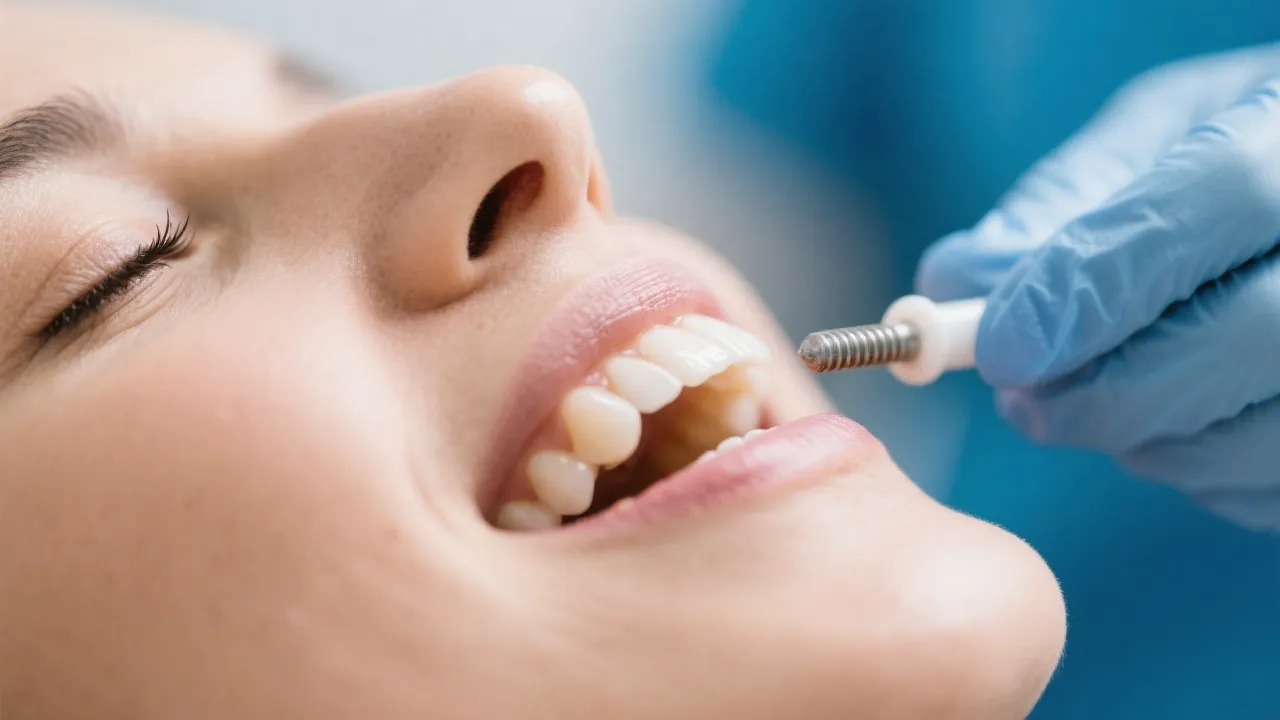
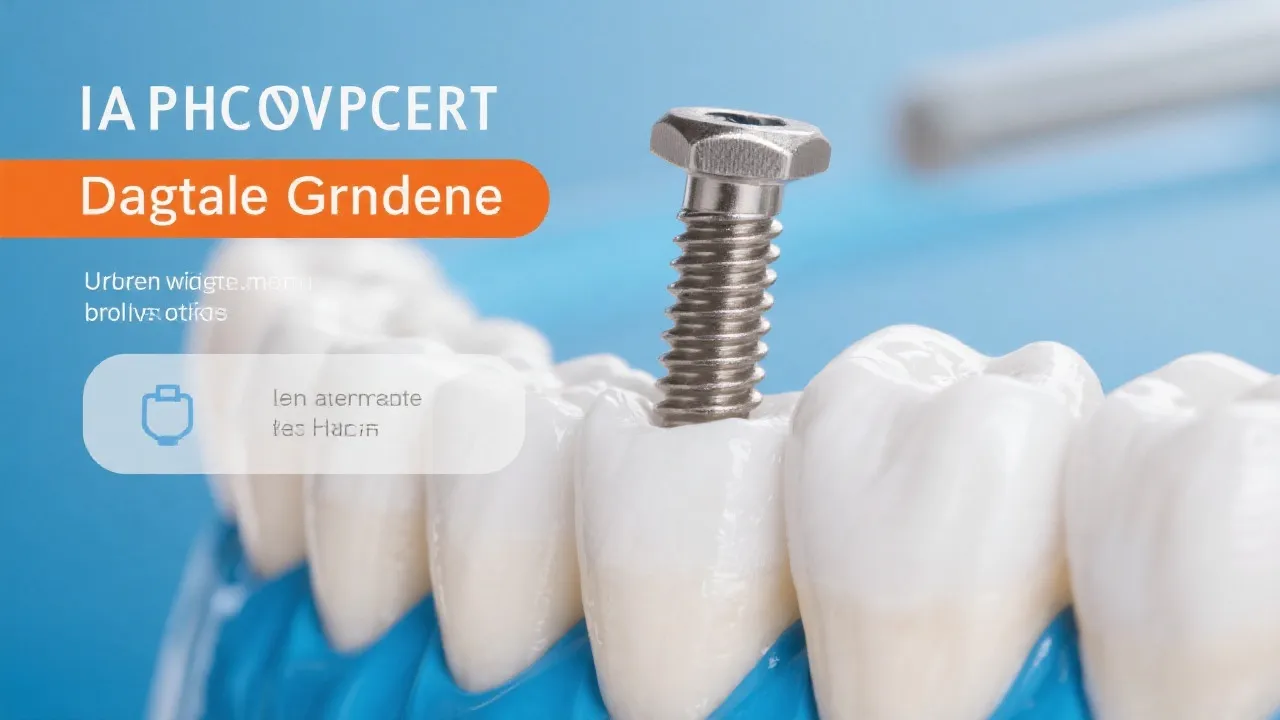
In recent years, dental implants have become the gold standard in tooth replacement solutions. These implants offer a good answer to the problem of missing teeth, providing both functional and aesthetic benefits. Made from biocompatible materials like titanium, dental implants integrate with the jawbone, preventing bone loss while maintaining the natural contours of the face. The process involves surgically placing a small post into the jawbone, which serves as the root for a replacement tooth. Over time, the bone integrates with the implant in a process called osseointegration, creating a solid foundation that contributes to the overall stability and strength of the dental restoration.
But beyond their functional advantages, dental implants also have a significant aesthetic impact. They can closely mimic the appearance of natural teeth, restoring the patient's smile and boosting self-confidence. The psychological benefits of having a complete smile, and the ability to chew and speak without difficulty, are often overlooked but are integral to the appeal of dental implants.
The Evolution of Dental Implants
The concept of dental implants is not new; they can trace their roots back several thousand years. The earliest known attempts at dental implants date from ancient civilizations, where materials such as ivory and metal were used to replace missing teeth. However, the modern era of dental implants began in the 1960s when Dr. Per-Ingvar Brånemark discovered that titanium could fuse with bone, a revelation that laid the groundwork for the implants we utilize today.
The advancements in dental technology have not only improved the design and materials of implants but have also enhanced the methods by which they are placed. Today, techniques such as computer-guided surgery ensure that the implant is placed with precision, leading to higher success rates and faster recovery times for patients.
Why Consider Low-Cost Dental Implants?
The cost of dental implants can be prohibitive for many, leading individuals to seek more affordable alternatives. Accessing cost-effective solutions doesn't necessarily mean compromising on quality. Several institutions and strategies can help patients secure reliable yet economical treatments. Patients' financial situations often compel them to explore low-cost options, and fortunately, many reputable clinics exist that specialize in offering affordable implants without sacrificing quality.
It’s crucial to understand that while pursuing low-cost dental implants, patients should be wary of clinics that offer significantly lower prices than the market average. The adage “you get what you pay for” often rings true in the medical field. Thorough research, including checking reviews and credentials, is essential to ensure that cost savings do not come at the expense of quality care.
Importance of Research and Preparation
Before deciding on where to get a dental implant, potential patients should spend time researching various clinics. Look for facilities that are certified and have experienced dental professionals. Patient testimonials can offer insights into the level of care and quality of the implants. Additionally, prospective patients should ask about warranties or guarantees provided by the clinic regarding the implants. Such policies can provide peace of mind and demonstrate the dentist's confidence in their work.
Comparison of Platforms Offering Low-Cost Dental Implants
| Platform | Special Features |
|---|---|
| Dental Views | Offers detailed information on low-cost implant solutions and a variety of treatments, including patient guides and reviews of clinics. |
| Atlantic Dental Group | Wide range of services including implants and comprehensive patient access tools, with special promotions designed to make treatments more affordable. |
| DentaVacation | Focus on dental tourism offering international low-cost treatment comparisons, highlighting popular destinations renowned for dental excellence. |
Source: [Dental Views](https://dentalviews.com/low-cost-dental-implants/), [Atlantic Dental Group](https://www.atlanticdentalgrp.com/), [DentaVacation](https://www.dentavacation.com/)
Strategies to Access Affordable Implants in English-Speaking Countries
In English-speaking regions, several methods can help secure financially feasible dental implants:
- Research Clinics: Identify clinics renowned for competitive pricing and extensive service options, such as Dental Views and Atlantic Dental Group. Look for facilities that present transparent pricing models without hidden fees.
- Explore Insurance Options: Some plans partially cover implants. The American Dental Health Plan (ADHP), for instance, provides guidance on dental insurance applications that could lower out-of-pocket costs. Contact insurance providers and ask specific questions about coverage for dental implants.
- Consider Dental Tourism: DentaVacation guides potential patients to international destinations offering dental implant procedures at reduced costs. Popular countries for dental tourism include Mexico, Costa Rica, and Hungary, where patients can find high-quality care at a fraction of the cost found in their home countries.
- Look for Payment Plans: Many dental practices offer flexible payment plans that allow patients to spread the cost of treatment over time. This can help make the financial burden more manageable.
- Utilize Community Health Clinics: In many areas, community health clinics offer dental services at reduced rates or on a sliding scale based on income. Exploring these options can provide access to affordable dental care.
Considerations for Dental Tourism
While dental tourism can present significant savings, it also comes with factors that patients should consider. The quality of care may vary significantly from one location to another, and patients should ensure they select accredited clinics. It’s also critical to account for travel expenses, accommodation, and any potential need for follow-up care. Proper research about the legalities, regulations, and practices in the destination country can prevent unfortunate surprises.
Cost Overview by Country
Due to regional disparities, prices for dental implants can vary significantly. Here is a breakdown of costs across various English-speaking countries:
- United States (US): $3,000 - $6,000 USD depending on the complexity of the case and the location.
- United Kingdom (GB): £2,000 - £2,500 GBP for single implants, with additional costs for preliminary procedures like bone grafts if needed.
- Australia (AU): AU$3,500 - AU$6,500 AUD, heavily influenced by the choice of dentist and procedure specifics.
- Canada (CA): CA$3,000 - CA$5,500 CAD, with variations based on provincial pricing structures.
FAQs
Q1: What factors influence the cost of dental implants?
The price of dental implants is affected by various factors, including the implant's material, the geographic location of the clinic, the dentist's expertise, and the complexity of the case. Moreover, additional procedures such as extractions, bone grafts, or sinus lifts can increase overall costs significantly.
Q2: Are there financing options available for dental implants?
Many dental practices offer financing plans that spread the cost over time, making implants more accessible to patients. Third-party financing companies may provide options tailored to the dental field, allowing patients to select payment terms that suit their budgets.
Q3: How reliable are low-cost dental implant services?
Quality can vary, so it’s crucial to research and choose reputable clinics with experienced professionals. Patient reviews and third-party accreditations can guide your decision. Do not hesitate to inquire about the materials used and whether the facility follows safety and health regulations properly.
Q4: What is the lifespan of dental implants?
With proper care and maintenance, dental implants can last many years, often 10 to 15 years or longer. Regular dental check-ups and good oral hygiene practices are essential in ensuring the longevity of the implants.
Q5: What should I expect during the recovery process?
After the implant procedure, patients typically experience some swelling and discomfort which can be managed with prescribed medications. It's essential to follow post-operative care instructions provided by the dentist, which often include diet recommendations and hygiene practices to facilitate recovery.
Conclusion
Dental implants present an effective, long-lasting solution for missing teeth. While costs are significant, there are various strategies to make this worthwhile investment more accessible. By exploring options such as dental tourism, insurance coverage, detailed clinic research, and understanding the financing plans available, patients can find pathways to cost-effective oral health care. The psychological and functional benefits associated with having a complete set of teeth cannot be overstated, making implants a potentially life-altering option for many individuals, regardless of their financial situations.
Disclaimer: The above information comes from online resources, and the data is as of October 2023. Dental implant prices are for reference only and may vary by region, clinic, and doctor. Always consult with a qualified dental professional for personalized advice and treatment plans.
Reference Links
Sources included above from [Dental Views](https://dentalviews.com/low-cost-dental-implants/), [Atlantic Dental Group](https://www.atlanticdentalgrp.com/), [DentaVacation](https://www.dentavacation.com/), [ADHP](https://rockvilledentalarts.com/es/).