Navigating Affordable Dental Implants Nearby
This guide provides insights into obtaining dental implants at a low cost, focusing on accessible solutions in nearby locations. Dental implants serve as a good solution for tooth replacement, enhancing oral function and aesthetics. However, the cost of dental implants can be prohibitive for many, necessitating exploration of budget-friendly options through various dental service providers and insurance plans.
Understanding Dental Implants
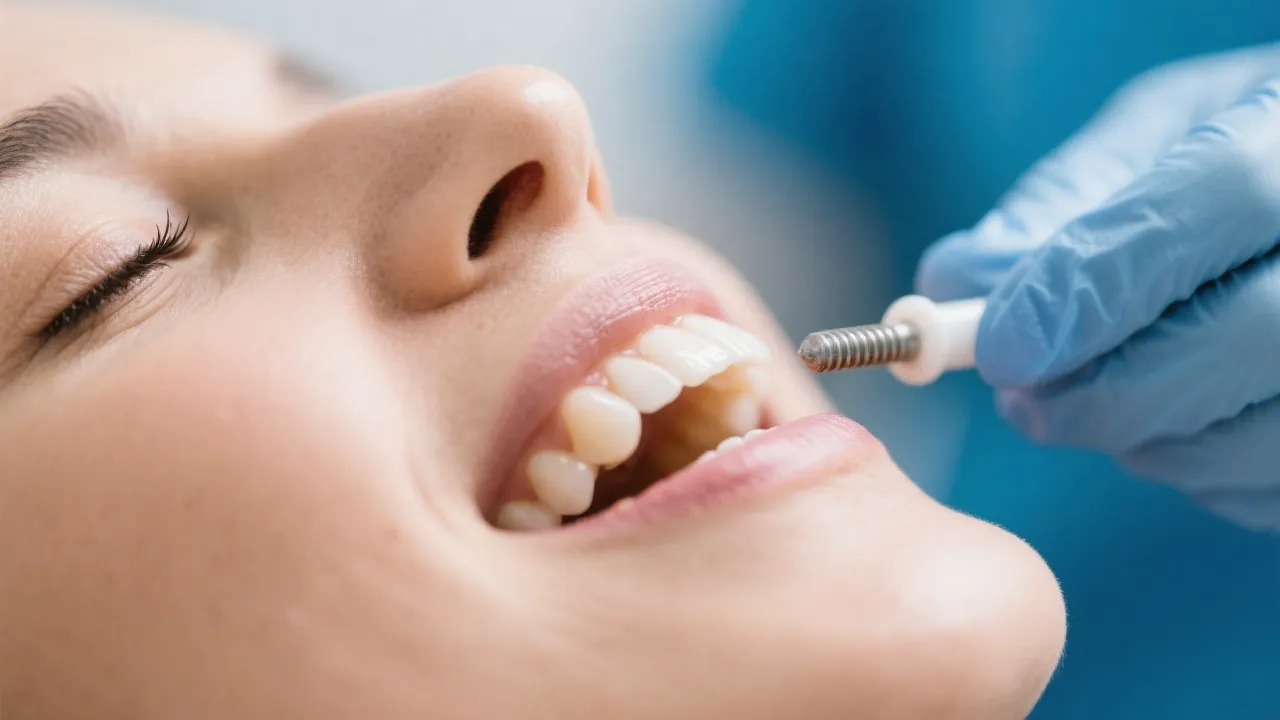
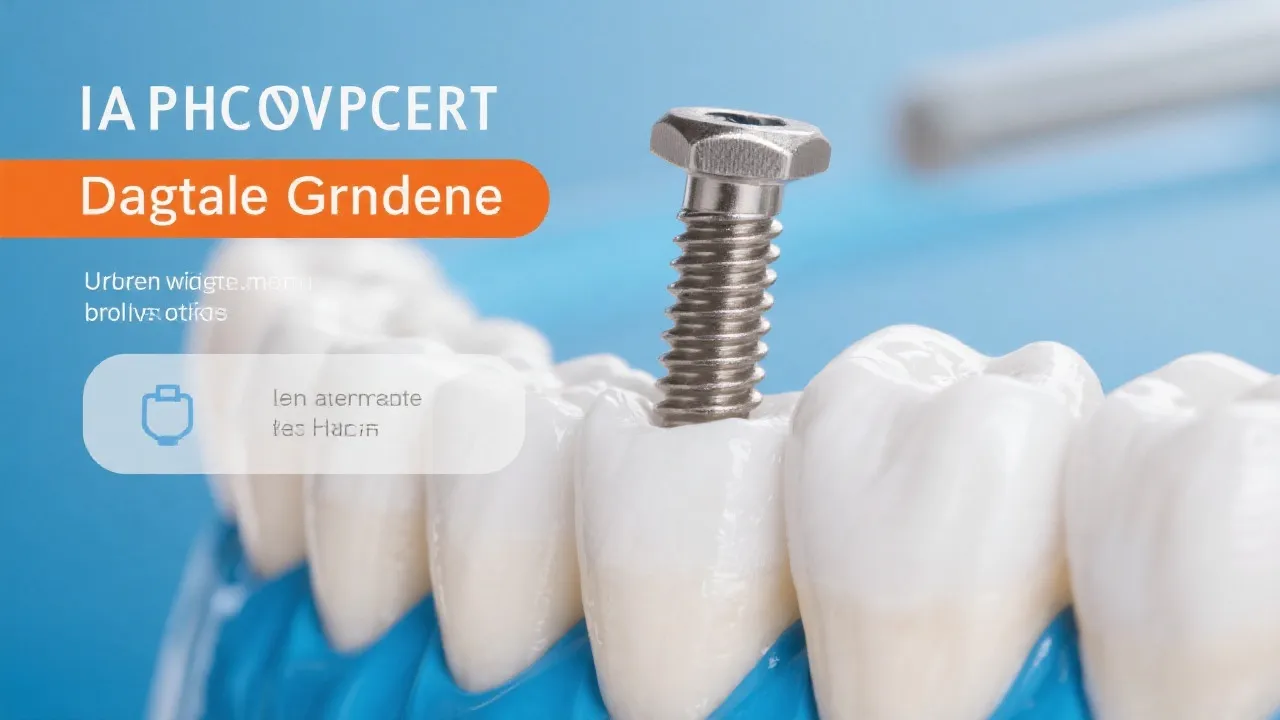
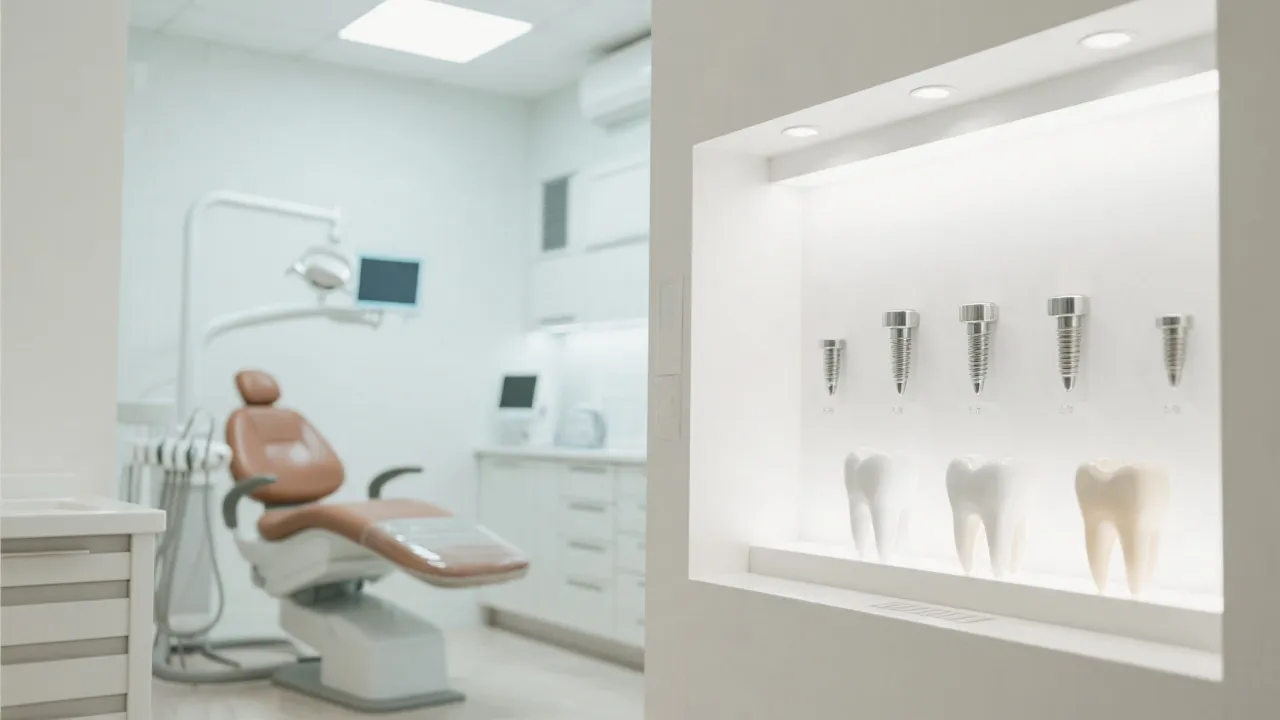
Dental implants are a revolutionary solution for individuals dealing with tooth loss. They act as artificial roots to support replacement teeth, giving them a stability that surpasses traditional dental prosthetics like dentures or bridges. The structure of a dental implant typically consists of three main components: the implant itself, which is a titanium post surgically inserted into the jawbone; an abutment, which connects the implant to the crown; and the crown, the visible part of the tooth. Beyond simply restoring the form and function of the teeth, dental implants also contribute to the prevention of bone loss in the jaw, an often-overlooked benefit compared to other tooth replacement options.
One of the significant advantages of dental implants is the improvement they bring to the patient’s quality of life. Unlike removable dentures, which can slide or shift while eating or speaking, implants are fixed securely in place. Furthermore, they can restore a person’s ability to bite and chew food effectively without the discomfort that often accompanies dentures. Aesthetically, implants are tailor-made to match the color, shape, and size of natural teeth, which instills confidence in many patients who may have felt self-conscious due to their tooth loss. However, patients often face a daunting financial hurdle as the cost of dental implants can be considerable, driving many to look for affordable alternatives.
Finding Low-Cost Dental Implants
In the pursuit of budget-friendly options, patients can implement several strategies to find affordable dental implants without compromising on quality. One effective approach is to seek out dental clinics or service providers that offer special promotions or financing plans designed to make treatment budgets more manageable. Many clinics recognize the financial burden of dental work and thus, have instituted flexible payment options that allow patients to pay over time rather than in a lump sum.
Another strategy worth considering is dental tourism, a growing trend where individuals travel to different countries to receive dental care at significantly reduced prices. Countries such as Mexico, Costa Rica, and Hungary are known for their high-quality dental services at a fraction of the price found in the U.S. or Canada. Patients can benefit greatly from this option, but it is crucial to conduct thorough research on the clinic's credentials, patient reviews, and hygiene practices to ensure safe and satisfactory treatment.
Additionally, checking into insurance coverage for dental implants can unveil opportunities for reducing costs. Many dental insurance plans now include partial coverage for implants, recognizing their long-term benefits and aligning them with patient needs. It’s advisable for patients to consult directly with their insurance providers to explore any potential support for dental implant procedures and understand their specific policy details thoroughly.
Diverse Options in Dental Services
| Provider | Features |
|---|---|
| Dental Views | Offers low-cost dental implant solutions with detailed service information and a focus on affordability. They specialize in connecting patients with experienced dental professionals. |
| Atlantic Dental Group | Provides comprehensive dental services, including implants, with easy access to professional care. Their extensive network allows for a range of pricing options to suit diverse budgets. |
| DentaVacation | Specializes in dental tourism, guiding patients to cost-effective treatments abroad. They provide thorough guidance on travel arrangements, local accommodations, and clinic assessments. |
Source: Visit the official websites for Dental Views, Atlantic Dental Group, and DentaVacation for more information.
Cost Comparison in English-Speaking Countries
The cost of dental implants varies significantly across regions, influenced by factors such as the local economy, the cost of living, and healthcare regulations. Here’s a comparative overview of the approximate price range for dental implants in several English-speaking countries:
- United States (US): $3,000 - $6,000 USD, depending on the complexity of the procedure and materials used. Many dental practices in the US offer financing options, which can make the out-of-pocket expenses more manageable.
- United Kingdom (GB): £2,000 - £2,500 GBP, with varying costs based on the dentist’s experience and the technology used. The UK also has options for patients to access dental care through the National Health Service (NHS), albeit with limitations on implant availability.
- Australia (AU): AU$3,500 - AU$6,500 AUD, where the costs may increase in metropolitan areas due to higher living costs. Some dental clinics offer payment plans that alleviate the financial burden.
- Canada (CA): CA$3,000 - CA$5,500 CAD, with provinces having different regulatory practices affecting pricing. Some clinics may also collaborate with financial institutions to offer care credit options for patients.
Understanding these price variations can help prospective patients make informed decisions when considering dental implants, emphasizing the importance of thorough research and empowerment through knowledge.
Step-by-Step Guide to Affordable Dental Implants Nearby
If you're determined to find affordable dental implants in your area, consider following this structured approach:
- Research and compare dental clinics in your area. Look for patient reviews that reflect the quality of care provided and the experiences of other patients who have received implants.
- Reach out to multiple clinics to inquire about any promotional offers, discounts, or financial plans available. Don’t hesitate to ask about payment options that could ease the upfront cost.
- Consider dental tourism as a feasible option to maximize savings. Plan a trip to a reputable dental clinic in a neighboring country that is known for its high-quality implant services at a lower cost.
- Engage with your insurance provider to uncover any coverage options that apply to dental implants. Insurance policies offer varied levels of support, but many do include at least partial coverage for major dental procedures.
- Look into dental schools in your locality that often provide dental services at a reduced rate, since supervised students perform the procedures under expert faculty's guidance. These programs may also help students gain valuable real-world experience while allowing patients to receive high-quality care.
FAQs
- What are the primary benefits of dental implants?
Dental implants provide a sturdy and long-lasting solution for tooth loss, enhance oral functionality, and significantly improve aesthetic appearance. They also help maintain the structure of the jawbone, preventing bone loss that commonly occurs with missing teeth. - How long do dental implants last?
With proper care, which includes regular dental check-ups and maintaining good oral hygiene, dental implants can last a lifetime. Their durability is one of the key factors that make them an excellent long-term investment in dental health. - Are dental implants covered by insurance?
Coverage for dental implants can vary depending on individual insurance policies. It’s crucial for patients to consult their insurance providers to discern the specifics of their coverage, including deductibles, co-pays, and annual limits. - What is the process for getting dental implants?
The process generally involves several stages starting with an initial consultation, imaging tests (such as X-rays or CT scans), surgical placement of the implant, a healing period, and finally, the placement of the crown. Each step is crucial for ensuring the successful integration of the implant. - How can I maintain my dental implants?
Maintaining dental implants requires diligent oral hygiene practices similar to those applied to natural teeth. Patients should brush twice a day, floss daily, and attend routine dental check-ups to monitor the health of the implants and surrounding tissues.
Disclaimer: The above information is based on current online resources and data as of October 2023. Dental implant prices are for reference only and can vary by region, clinic, and specific dental practitioner. Always consult with qualified dental professionals for personalized advice and recommendations.
Additional Insights on Dental Health
Dental implants are just one component of oral health. Understanding proper dental hygiene practices, regular check-ups, and diet's impact on dental well-being can promote a healthier mouth overall. It’s essential to maintain a habit of visiting the dentist at least twice a year for regular check-ups and cleanings, which can identify issues early and prevent more severe conditions.
Furthermore, diet plays a pivotal role in dental health. A balanced diet rich in vitamins and minerals supports healthy teeth and gums. Foods high in calcium, such as dairy products, and those rich in vitamins A and C can help maintain gum health. Sugary snacks and drinks should be limited, as they can lead to decay and complications in both natural and artificial tooth structures.
Moreover, avoiding tobacco and excessive alcohol consumption is crucial to maintaining healthy gums and teeth. Smoking can affect oral healing and lead to complications after procedures like dental implants. Following these preventive measures contributes not only to the longevity of dental implants but also improves overall oral health.
Future Trends in Dental Implant Technology
The field of dentistry is continuously evolving, particularly in the area of dental implants. Advancements in technology and materials are enhancing the effectiveness, efficiency, and aesthetic outcomes of dental implants. One notable trend is the use of 3D printing technology in implant manufacturing. This innovative approach allows for the creation of customized implants tailored to the unique anatomy of each patient, improving fit and reducing healing times.
Another emerging trend is the integration of digital imaging and computer-guided surgery, which allows for precise placement of implants. This technology reduces the invasiveness of the procedure and can significantly enhance recovery time.
Additionally, research into materials continues to advance, with innovations such as bioactive glass and titanium alloys showing promise for improved osseointegration – the process where the bone grows around the implant. As research progresses, we may see even more materials that foster quicker healing, greater aesthetic results, and reduced rates of complications.
Conclusion
In conclusion, dental implants represent a significant advancement in restorative dentistry, providing patients with a robust solution for tooth loss. While the initial costs may be high, exploring the options discussed can lead to more affordable paths to achieving the dental restoration needed. From understanding the importance of dental hygiene to maintaining regular check-ups, fostering overall dental health is crucial for the longevity of implants. As technology continues to evolve, the future of dental implants looks promising, paving the way for broader accessibility, enhanced effectiveness, and improved patient experiences.
References
For further details and a deeper understanding of the options available, visit these sites: Dental Views, Atlantic Dental Group, DentaVacation, ADHP.