Navigating Affordable Dental Implant Options
Navigate the comprehensive guide on affordable dental implants, a good solution for missing teeth. Dental implants are prosthetic replacements integrated into the jawbone, offering a secure and natural-looking alternative to dentures or bridges. This guide explores cost-effective avenues across English-speaking countries, highlighting pricing, services, and expert advice.
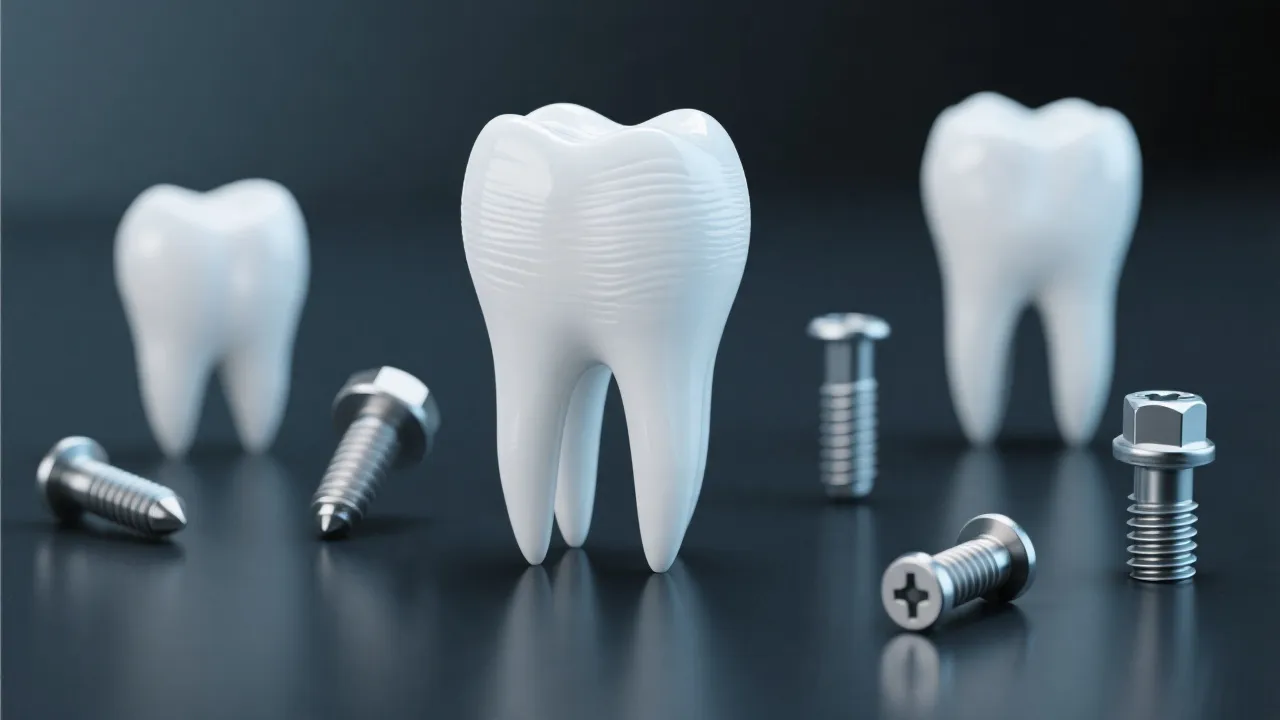
Understanding Dental Implants
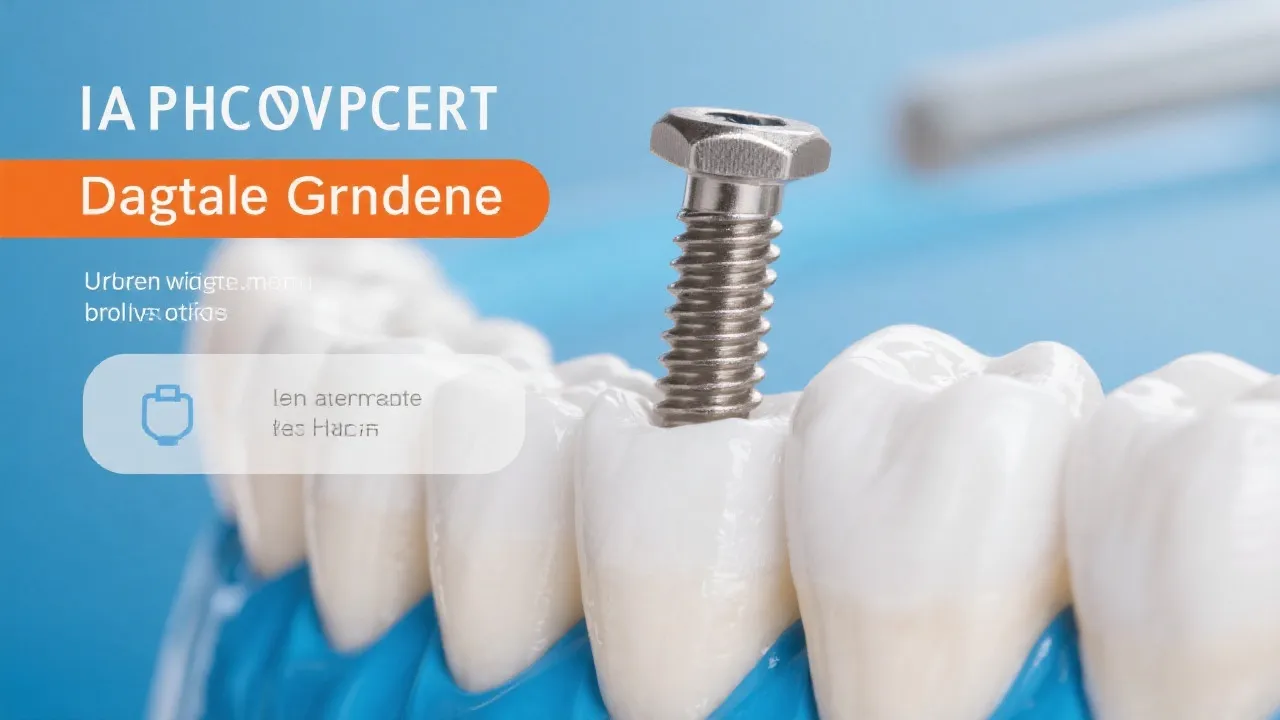
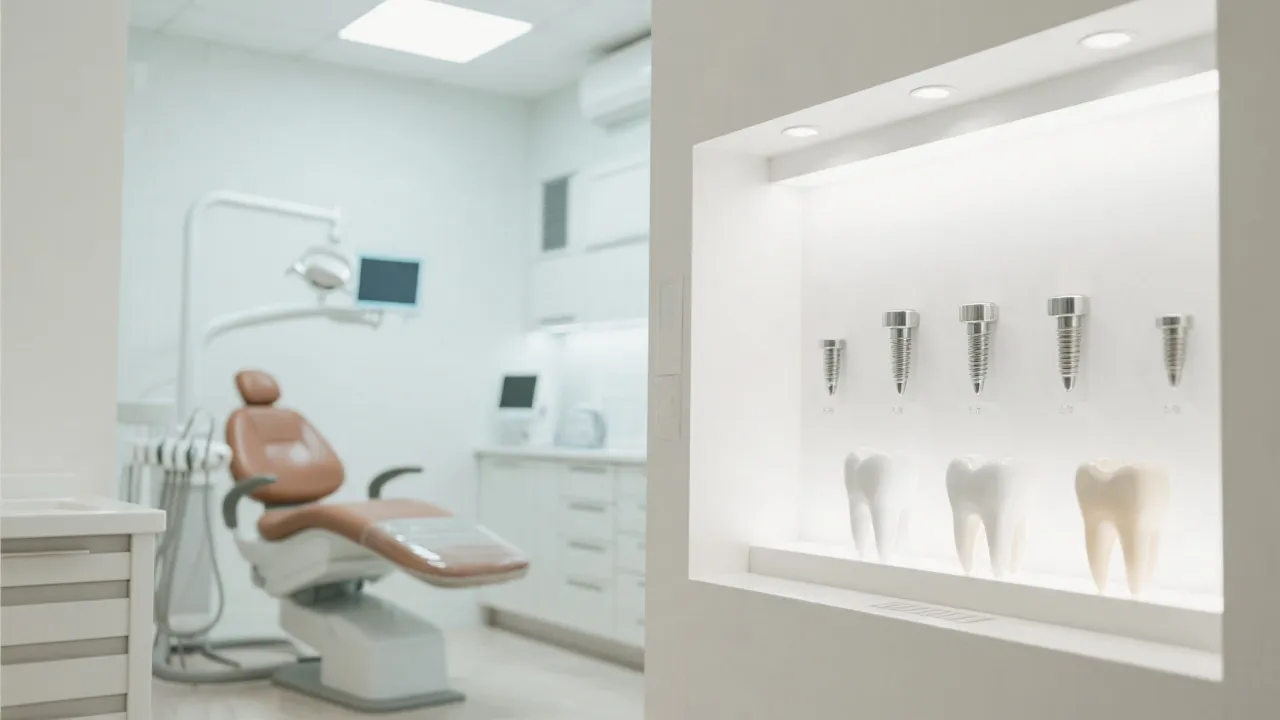
Dental implants serve as an enduring solution for individuals with missing teeth, offering a natural-looking and functional replacement. These implants comprise a titanium post that integrates with the jawbone, providing a stable base for a dental crown. Ideal for those looking to restore their smile and improve oral health, implants are increasingly preferred over dentures and bridges due to their durability and functionality. With advancements in dental technology, the design, placement, and materials used in dental implants have significantly improved, contributing to their widespread acceptance in restorative dentistry.
The success of a dental implant largely depends on the health of the jawbone where it is implanted. When a tooth is lost, the underlying bone may begin to deteriorate over time due to lack of stimulation from the tooth root. Dental implants can help prevent this bone loss as they mimic the root of a natural tooth, thereby maintaining the structure of the jawbone. This is particularly beneficial for individuals seeking not just cosmetic improvements but also long-term oral health benefits.
Types of Dental Implants
Various types of dental implants are available, each tailored to specific needs and dental conditions. Understanding these distinctions is essential for selecting the appropriate implant:
- Endosteal Implants: The most common type, endosteal implants are surgically placed directly into the jawbone. They are typically made of titanium and can hold one or more prosthetic teeth. This type of implant is ideal for patients with healthy jawbone.
- Subperiosteal Implants: An option for patients who lack sufficient bone height but cannot or prefer not to undergo bone augmentation surgery. These implants are placed under the gum tissue but above the jawbone.
- Zygomatic Implants: These are used in cases of severe bone loss where traditional implants would not be viable. They are anchored in the zygomatic bone (cheekbone) rather than the jawbone, providing a strong foundation for dental prosthetics.
Affordable Dental Implant Solutions
Navigating the world of dental implants can be daunting, especially considering the costs involved. However, options for low-cost dental implants are available, providing effective solutions without straining finances. Patients are advised to compare different providers, such as Dental Views, Atlantic Dental Group, and DentaVacation, which offer economic alternatives and special offers on dental implants. These facilities often have different payment plans and financing opportunities that can help make dental implants more accessible.
Dental Tourism
Another viable option for affordable dental implants is dental tourism. Many patients opt to travel abroad to countries known for their lower dental costs while ensuring high-quality care. Destinations such as Mexico, Costa Rica, and Hungary have become popular for dental procedures, including implants, due to their advanced clinics and experienced practitioners. Patients should conduct thorough research on the clinics’ accreditation and online reviews to ensure they choose a reputable provider.
| Provider | Feature |
|---|---|
| Dental Views | Specializes in low-cost dental implants, offering detailed insights into treatment plans and cost. |
| Atlantic Dental Group | A wide array of dental services including implants, with comprehensive service information. |
| DentaVacation | Focuses on dental tourism for affordable treatment abroad, offering comparative cost analysis. |
Source: www.dentalviews.com, www.atlanticdentalgrp.com, www.dentavacation.com
Cost Ranges for Dental Implants
The cost of dental implants can vary widely based on geography and specific clinic offerings. Here is a detailed breakdown of the average prices in English-speaking countries:
| Country | Currency | Price Range |
|---|---|---|
| United States | USD | $3,000 - $6,000 |
| United Kingdom | GBP | £2,000 - £2,500 |
| Australia | AUD | AU$3,500 - AU$6,500 |
| Canada | CAD | CA$3,000 - CA$5,500 |
These costs typically cover more than just the implant itself; they often include preliminary procedures such as X-rays, consultations, extractions (if necessary), and follow-up visits. Despite the high initial cost, implants can be a cost-effective solution in the long term due to their lifespan and reduced need for replacements compared to other dental solutions.
Accessing Low-Cost Dental Implants
To obtain affordable dental implants, consider the following steps:
- Research multiple providers to compare pricing and services. Utilize online resources, patient reviews, and dental forums to glean insights about different clinics.
- Inquire about financing options or payment plans offered by dental clinics. Many clinics have programs designed to make implants affordable through monthly payments.
- Explore dental schools that offer reduced rates on implants performed by supervised students. Dental institutions often provide services at a fraction of the cost, and students gain practical experience.
- Look into dental tourism, which may offer savings on treatment without compromising quality. Ensure to choose established clinics with strong reputations.
- Consult with insurance providers to understand coverage options for dental implants. Some plans may cover a portion of the cost, making the procedure more affordable.
Considerations for Dental Financing
To further alleviate the financial burden, many dental practices partner with financing companies to provide patients with various financing options. CareCredit and LendingClub are two popular options that allow patients to pay for their treatment over time. These services typically offer short and long-term repayment options, sometimes with no interest financing if paid within a specific time frame. Reviewing these financing plans can help patients manage their finances effectively while securing the dental care they need.
The Role of Insurance in Financing Implants
Insurance can play a vital role in reducing the cost burden of dental implants. Providers like ADHP offer comprehensive dental insurance plans that may cover part of the implant cost. It is crucial to thoroughly understand the coverage details and any associated conditions to maximize benefits. Most traditional dental insurance plans do not cover dental implants, but some may offer partial coverage for related procedures, such as the crowns that attach to the implants.
Additionally, patients should communicate with their dental providers to understand the diagnostic and treatment coding; using the correct codes can sometimes help get implants approved under insurance policies that cover 'restorative' services. It is always beneficial to advocate for oneself by discussing financial concerns with dental offices, as they often have experience dealing with insurance claims and can assist in navigating the process.
FAQs about Dental Implants
- What are dental implants? Dental implants are artificial roots made of titanium, surgically positioned into the jawbone, and used to support crowns or bridges.
- Is the procedure painful? Very few patients experience significant discomfort during the procedure thanks to anesthesia and sedation options offered by dental professionals.
- How long do dental implants last? With proper care, dental implants can last a lifetime, although the dental crown attached to the implant might require replacement after 10-15 years.
- Are dental implants safe? Yes, dental implants are considered safe and effective and have a high success rate when performed by experienced professionals.
- What affects the cost of dental implants? Factors such as the implant material, location of the clinic, the expertise of the dental surgeon, and any additional procedures affect the cost.
- What essential aftercare is required after getting dental implants? Aftercare is crucial for ensuring the longevity of dental implants. Proper oral hygiene, regular dental check-ups, and a balanced diet can significantly influence the success of the implants. Patients should also avoid tobacco products, as smoking can inhibit healing.
Conclusion
Securing dental implants at a reasonable cost is achievable with proper research and understanding of the available options. By comparing services and costs across various providers, patients can benefit from the enhanced quality of life that dental implants provide without an overwhelming financial commitment. Considering factors such as location, variability in prices, potential insurance coverage, and available financing can help patients navigate their path to restoring their smiles effectively and affordably.
Choosing dental implants is not merely about aesthetics; it significantly contributes to the overall health and function of a patient’s mouth. By investing in dental implants, individuals are likely taking a step towards improved speech, better chewing capabilities, and enhanced self-esteem. Therefore, while the journey to acquiring them may seem complex and financially daunting, the long-term advantages are worth the endeavor.
Disclaimer: The above information is sourced from online resources, and data is current as of October 2023. Dental implant prices are for reference only and may vary by region, clinic, and doctor.
Reference Links: