Navigating Affordable Dental Implants
This guide delves into obtaining affordable dental implants, a transformative solution for those with missing teeth. Dental implants are a popular option in oral health for their durability and resemblance to natural teeth. This article provides insights into cost structures, available resources for low-cost options, and a comparative overview of available services across various countries.
Understanding Dental Implants
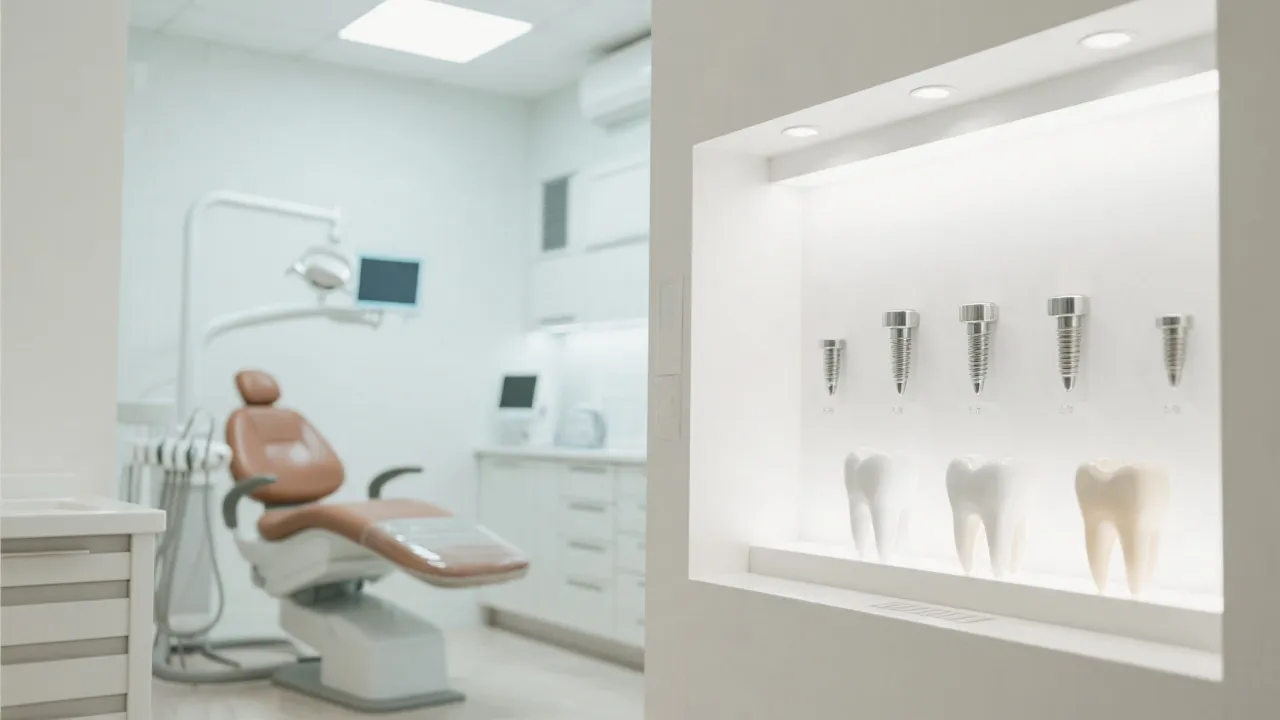
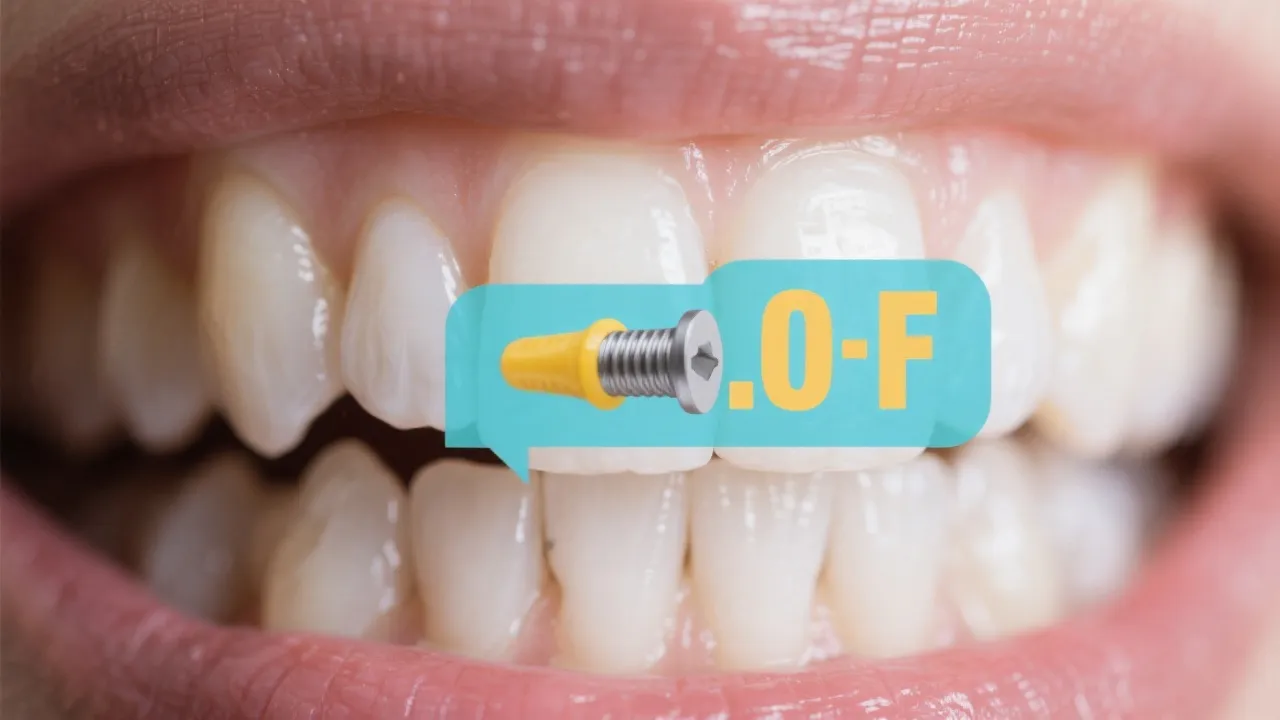
Dental implants are artificial tooth roots placed into the jawbone to support replacement crowns, bridges, or dentures. They mimic natural teeth in appearance and function, which makes them a highly sought-after solution for those seeking a good replacement for missing teeth. Their ability to integrate with the jawbone tissue makes them an effective and durable option for restoring smiles. Dental implants not only improve chewing ability and speech but also help maintain facial structure. Unlike conventional dentures, they don’t shift in the mouth, allowing for a more confident smile.
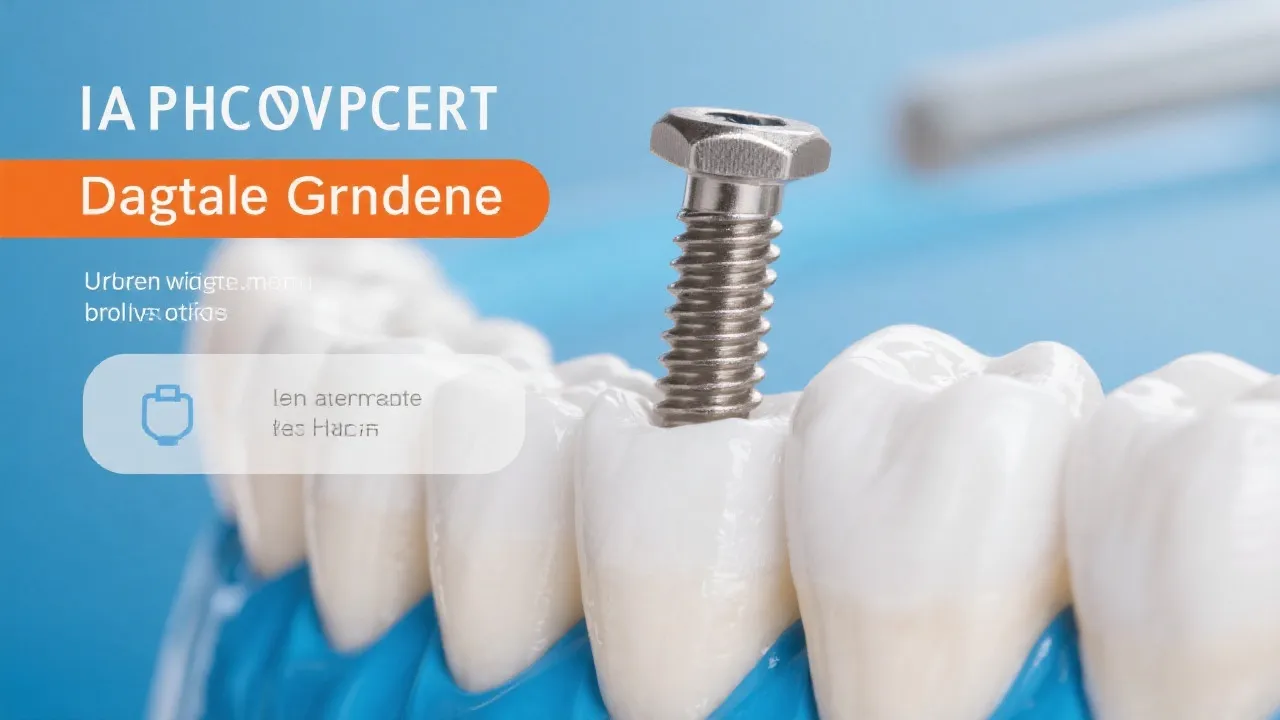
When considering dental implants, it is essential to understand the specific components involved in the process. A dental implant consists of three parts: the titanium post that is surgically placed into the jawbone, the abutment that connects the post to the replacement tooth, and the crown that is custom-made to resemble the natural tooth. The use of titanium is significant because it is biocompatible, which means it is readily accepted by the body and promotes osseointegration, the process by which the bone integrates with the implant, providing stability and durability.
Exploring Low-Cost Options
Finding affordable dental implants can be challenging, but several resources are available to guide individuals seeking cost-effective solutions. Clinics offering competitive pricing, dental tourism, and insurance plans tailored to cover dental procedures are some ways individuals can manage the expense associated with dental implants. Many dental practices recognize the high costs associated with implants and have therefore devised strategies to offer more affordable options. These may include special financing plans, payment scheduling, or even promotional discounts during certain times of the year.
Furthermore, experienced dentists may also provide options that can help patients further reduce costs without compromising quality. For example, using dental implants composed of high-strength resin instead of titanium in certain cases may be a more economical option. It’s also worth noting that some clinics provide a comprehensive analysis that includes necessary preliminary treatments, such as tooth extraction or bone grafting, at a reduced rate when packaged with the dental implant procedure.
| Website | Features |
|---|---|
| Dental Views | Focuses on low-cost implants, offering detailed information on benefits and types of treatments. |
| Atlantic Dental Group | Provides various dental services, including implants, with easy access to booking and location information. |
| DentaVacation | Specializes in dental tourism, providing information on cost comparisons and travel arrangements for treatments abroad. |
source: www.dentalviews.com | www.atlanticdentalgrp.com | www.dentavacation.com
Obtaining Implants Nearby
When seeking low-cost dental implants in English-speaking countries, there are several steps to consider:
- Research clinics offering discounted implant packages or special promotions. Many clinics will advertise seasonal deals, and being proactive can lead to significant savings.
- Consider participating in dental schools' clinical programs where supervised students perform implant procedures at reduced costs. These programs not only provide cost savings for patients but also offer aspiring dentists valuable hands-on experience.
- Explore dental insurance plans that cover or partially cover implant costs. Some plans may have specific networks of dentists who offer discounted rates for services.
- Investigate local health fairs or community events where free or low-cost dental screenings may be provided, potentially leading to referrals for affordable treatments.
Another consideration is assessing the dentist's qualifications and experience. Opting for a more affordable implant solution does not mean sacrificing quality. Reach out to testimonials or reviews from previous patients, and check the dentist’s credentials, which can provide peace of mind regarding your treatment.
Cost Analysis of Dental Implants
Understanding the cost range of dental implants can help in budget planning. Here's a comparison of implant costs in various countries:
| Country | Currency | Price Range |
|---|---|---|
| United States | USD | $3,000 - $6,000 |
| United Kingdom | GBP | £2,000 - £2,500 |
| Australia | AUD | AU$3,500 - AU$6,500 |
| Canada | CAD | CA$3,000 - CA$5,500 |
It is also essential to consider factors influencing these prices, such as the specific materials used for implants, the complexity of the procedure, and the geographic location of the dental clinic. Urban areas may generally have higher costs compared to rural regions. Additionally, the overall health of the patient and any additional procedures needed, like bone grafting, can significantly affect the total cost of obtaining dental implants.
Factors Impacting the Cost of Dental Implants
Several elements can impact the overall price of dental implants, including:
- Type of Implants: There are different types of implants, such as traditional implants and mini implants. Traditional implants are generally more expensive due to the surgical techniques involved and the materials used. Mini implants, on the other hand, may be a more affordable option but are more suitable for particular situations.
- Material Quality: The materials used in creating the implants can vary in cost. Titanium implants tend to be more expensive due to their biocompatibility and strength, while other materials like zirconia are also rising in popularity for aesthetic reasons, particularly for those concerned about metal in their mouth.
- Location: The geographic location of the implant procedure can significantly influence its cost. Regardless of the same quality of treatment, the costs of living or business operation in big cities tend to increase the prices of dental procedures compared to smaller towns.
- Additional Procedures: Many patients may require additional procedures such as bone grafts to ensure sufficient density and volume in the jawbone for implants. The need for these additional features will contribute to the overall cost.
- Consultation and Follow-up Care: Initial consultations may have fees associated with them, as well as follow-up appointments to monitor the integration of the implant. It’s important to factor these costs into the overall budget.
FAQs
- What are dental implants? Dental implants are replacements for tooth roots, providing a foundation for fixed or removable replacement teeth that match natural ones.
- How long do dental implants last? With proper care, dental implants can last many years, often over 25 years. Maintaining good oral hygiene is crucial.
- Are there different types of dental implants? Yes, including endosteal (placed in the bone) and subperiosteal (placed on the bone) implants, each suited to different needs and conditions.
- Is the dental implant procedure painful? Most patients experience minimal discomfort during and after the procedure. Local anesthesia is used to numb the area, and pain can be managed with over-the-counter pain relievers.
- What is the success rate of dental implants? Dental implants have a high success rate, typically around 95% when performed by experienced professionals. Factors such as location in the jaw and overall patient health can affect success rates.
- Can anyone get dental implants? Most adults with good overall health are candidates for dental implants, but patients with specific medical conditions, such as uncontrolled diabetes or active gum disease, may need to address these issues before undergoing implantation.
Potential Risks and Complications
While dental implants are considered safe, there are potential risks and complications associated with the procedure that should be understood before proceeding. These can include:
- Infection: Like any surgical procedure, there is a risk of infection at the implant site. Good oral hygiene and following post-operative instructions can help mitigate this risk.
- Nerve Damage: Improper placement of an implant may lead to nerve damage, resulting in discomfort or numbness in the surrounding area. An experienced dentist can minimize this risk with precise imaging techniques and careful implantation.
- Sinus Issues: For implants placed in the upper jaw, there may be a risk of penetrating the sinus cavity. If sinus complications arise, further treatment may be necessary.
- Implant Failure: Though rare, implants can fail to properly integrate with the jawbone. Factors leading to failure can include inadequate jawbone density, improper alignment in initial placement, or excessive stress on the implant.
Patients are encouraged to discuss potential risks and any concerns with their dental professional prior to undergoing the implant procedure to have a clear understanding of what to expect.
Disclaimer: The above information comes from online resources, and the data is as of October 2023. Dental implant prices are for reference only and may vary by region, clinic, and doctor.
For further research, here are the reference links to the websites mentioned:
Conclusion
Dental implants offer a long-term solution for those suffering from tooth loss, restoring not just functionality but also aesthetic appeal. While the financial considerations can be daunting, various avenues exist to explore lower-cost alternatives. From economic local clinics to the option of traveling abroad for dental care, there are possibilities to fit nearly any budget.
Nevertheless, understanding the entirety of the dental implant process helps in making informed decisions. It is thoroughly advisable to conduct a thorough research about clinics and providers, ensuring that quality and safety are not compromised for the sake of affordability. Inquiring about all fees upfront, exploring payment plans, and possibly looking into dental insurance options can further assist patients in managing costs. Most importantly, always consult with a qualified dental professional to discuss one’s specific needs and conditions to determine the best course of action for dental implants, paving the way for a confident smile and improved quality of life.