Comprehensive Guide to Dental Implants
This guide explores cost-effective strategies for acquiring dental implants. Dental implants are crucial for oral rehabilitation, serving as artificial tooth roots for replacements. Their integration into the jawbone can improve both aesthetic and functional aspects of teeth. We also compare local and international options, costs, and providers to help you make informed decisions about dental care choices.
Understanding Dental Implants
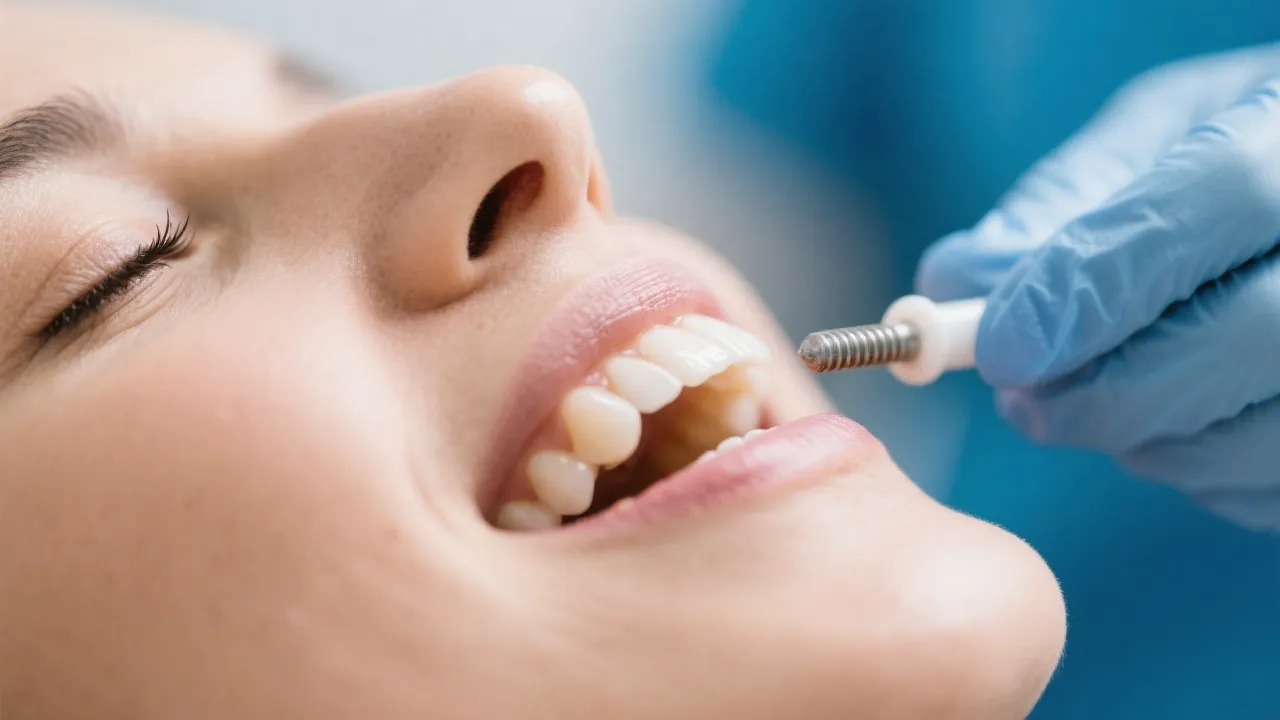
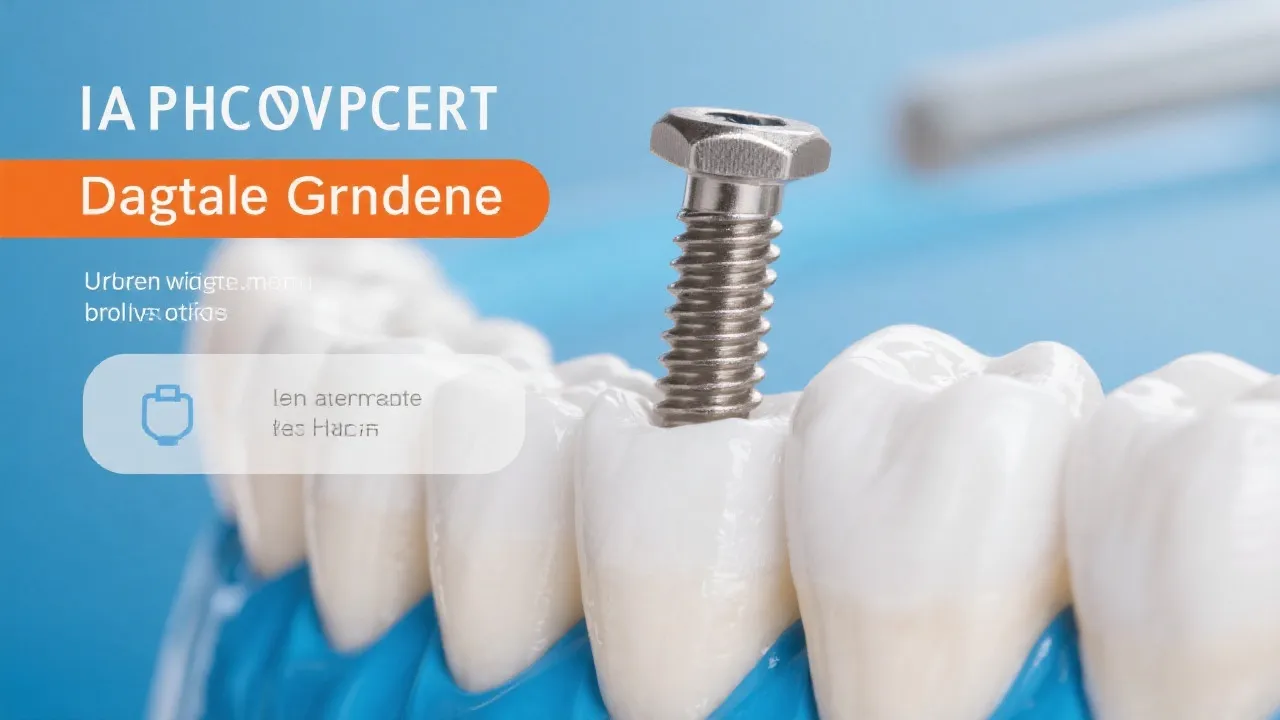
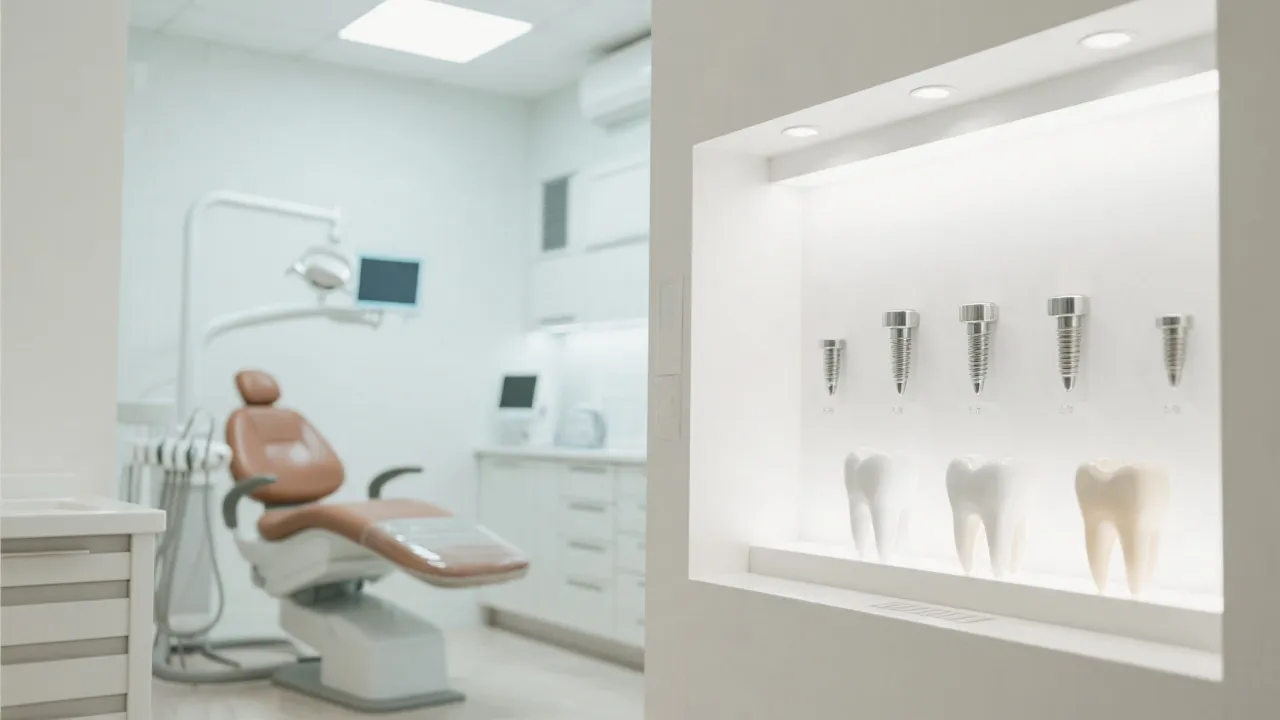
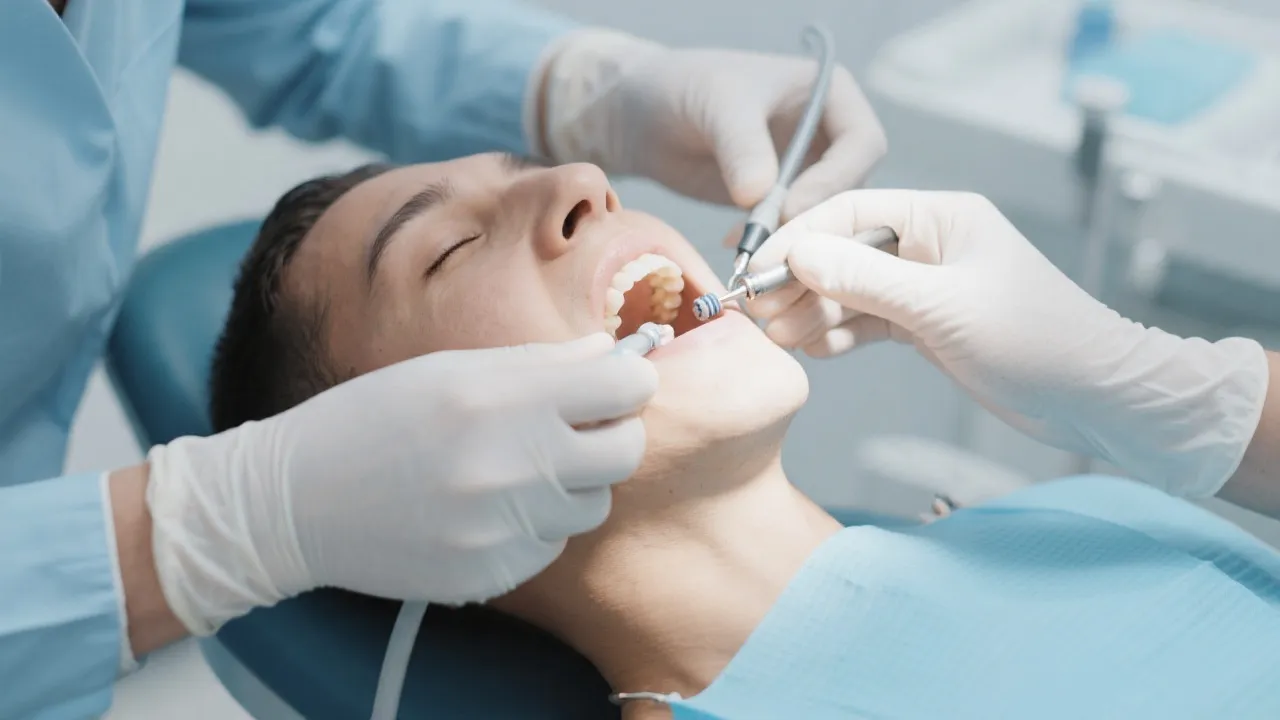
Dental implants serve as an artificial yet effective solution for missing teeth, anchoring replacement teeth to the jawbone. This procedure not only restores oral functionality but also boosts self-esteem by enhancing your smile. Unlike dentures, which can slip and slide, implants are fixed in place, allowing for a more natural feel and the ability to chew effectively without discomfort. They are designed to mimic the structure of natural teeth, comprising a titanium post that is surgically placed into the jawbone, allowing for a secure foundation for a crown. Choosing dental implants often leads to improved facial aesthetics and overall oral health, as they prevent bone loss in the jaw and maintain the structure of the face.
Affordable Dental Implant Options
Dental implants have long been perceived as costly, with many individuals believing that the price tag is out of reach. However, several pathways can reduce this financial burden significantly. Patients can explore local clinics offering competitive rates or consider dental tourism as an economical alternative. The financial aspect of dental care can be daunting, and understanding the available options can aid individuals in making informed decisions.
Dental Clinics Offering Low-Cost Implants
| Clinic Name | Features |
|---|---|
| Dental Views | Provides detailed information on low-cost dental implant options, benefits, and the implant process. Their commitment to patient education is reflected in their extensive resources. |
| Atlantic Dental Group | A comprehensive range of dental services including implants; focuses on accessible care and transparent pricing, ensuring patients are well-informed every step of the way. |
| DentaVacation | Facilitates dental tourism with cost-effective treatments abroad, offering logistical support to make the process smoother and less stressful for patients. |
Source: Dental Views, Atlantic Dental Group, DentaVacation
Cost Comparison Across English-speaking Countries
| Country | Price Range |
|---|---|
| United States (US) | $3,000 - $6,000 USD |
| United Kingdom (GB) | £2,000 - £2,500 GBP |
| Australia (AU) | AU$3,500 - AU$6,500 AUD |
| Canada (CA) | CA$3,000 - CA$5,500 CAD |
The variation in costs across these countries can be attributed to factors such as the cost of living, healthcare regulations, and the demand for dental services. The table above provides a clear overview, enabling patients to evaluate the financial implications of dental implants effectively.
Navigating Dental Implants in English-speaking Countries
For those residing in English-speaking regions, obtaining dental implants can be streamlined through insurance benefits or opting for clinics that provide financing. Many patients may not realize that their dental insurance plans may cover a portion of the costs involved with implants, making it essential to review the specifics of their policy. Websites like ADHP provide useful insights into insurance plans, potentially offsetting treatment costs. Additionally, it’s vital for patients to investigate the reputation of the clinic they choose; comprehensive reviews on platforms like Google or Healthgrades can reveal important information about a clinic's procedures and patient satisfaction. Patients should ensure that the chosen clinic utilizes modern technology, conducting effective and safe procedures while ensuring a comfortable experience.
Maximizing Cost Savings Through Dental Tourism
Dental tourism is an increasingly popular option for those willing to travel for treatment. It is particularly appealing for individuals from countries with high dental care costs who can take advantage of significantly lower prices overseas. Countries featured on platforms like DentaVacation offer competitive prices paired with quality care. A simple trip can often result in significant savings even after accounting for travel expenses. In addition to cost savings, opting for dental tourism may also provide patients access to highly skilled professionals and state-of-the-art facilities, depending on the destination chosen.
Researching potential international clinics should involve checking their accreditation, reviews, and the level of care provided. Many patients find that they can combine their dental treatment with a vacation, allowing them to recuperate while enjoying a new environment. Some popular dental tourism destinations include Mexico, Costa Rica, and Hungary, known for excellent dental care at lower prices. Moreover, some clinics provide packages that can include accommodations and transportation, making the experience not only cost-effective but also convenient.
FAQs
- Are dental implants safe? Dental implants are generally considered safe when performed by qualified professionals using up-to-date techniques and materials. The success rate for dental implants is quite high, often ranging between 90-95% depending on various factors including the patient's health and adherence to post-operative care.
- How long do dental implants last? With proper care, dental implants can last several decades, providing a durable solution for missing teeth. Regular dental check-ups and good oral hygiene practices, such as brushing and flossing, can significantly enhance the longevity of the implants.
- Can anyone get dental implants? Most adults in good health are suitable candidates for dental implants. However, certain conditions—such as uncontrolled diabetes, cancer, or severe gum disease—may require additional consultations and treatments prior to implant placement. It's crucial to have an in-depth discussion with a dental specialist who can assess individual cases.
- What is the procedure like? The dental implant procedure typically occurs in several stages, starting with a consultation and evaluation, followed by the surgical placement of the implant, and finally the attachment of the artificial tooth. Understanding each stage can help patients prepare for the process and manage expectations.
- What are the risks involved? While dental implants are widely regarded as a safe and effective solution, certain risks do exist. Potential complications may include infection, nerve damage, or issues related to the placement of the implant. A thorough pre-operative assessment and careful selection of a qualified dental professional can help minimize these risks.
- How do I care for my dental implants? Caring for dental implants is similar to caring for natural teeth. This includes regular brushing and flossing, as well as routine dental visits for cleanings and check-ups. Staying mindful of diet and habits that can negatively impact oral health, such as smoking, is also crucial for maintaining the integrity of dental implants.
Disclaimer: The above information comes from online resources, and the data is as of October 2023. Dental implant prices are for reference only and may vary by region, clinic, and doctor.
Source: Dental Views, Atlantic Dental Group, DentaVacation, ADHP
The Benefits of Dental Implants Beyond Aesthetics
While the aesthetic advantages of dental implants—such as restoring one’s smile—are significant, the functional benefits are equally compelling. Implants offer improved oral health as they replace the tooth root, stimulating the jawbone and preventing bone loss, which can occur when teeth are missing. This stimulation preserves facial structure and reduces the risk of further tooth loss, which can create a cascade of dental problems.
Additionally, dental implants eliminate shifting and discomfort often associated with loose dentures. Patients with implants can eat their favorite foods without restriction, as implants provide sturdy support that restores full bite strength. This leads to better nutrition as individuals can incorporate a variety of foods into their diet, supporting overall health and well-being.
Postoperative Care: Essential for Success
While the success of dental implants can be quite high, proper postoperative care is crucial. Following the implant procedure, patients are generally advised to follow specific care instructions to promote healing and ensure the longevity of their implants. This may include dietary recommendations, pain management strategies, and scheduled follow-up appointments to monitor the implant site.
A common recommendation after surgery is to avoid rigorous activities for a few days to allow time for the implant to integrate with the bone, a process known as osseointegration. During this time, a soft food diet is often suggested to prevent irritation at the surgical site. Additionally, maintaining oral hygiene remains critically important; patients should follow the oral care routine outlined by their dentist, typically beginning gently brushing the area after a few days.
Technological Advances in Dental Implants
Recent years have witnessed tremendous advancements in dental implant technology which have significantly improved the success rates and patient outcomes. Innovations such as 3D imaging allow dentists to visualize a patient’s mouth in a three-dimensional format, enabling more precise planning and placement of implants. This technology can also highlight potential complications, all while ensuring a minimized recovery time.
Furthermore, the introduction of materials such as zirconia implants offers aesthetic benefits as well, as they blend seamlessly with natural gums and teeth. These advancements, coupled with the refined techniques performed by expert dental surgeons, make getting dental implants a more efficient and comfortable experience than ever before.
Understanding the Types of Dental Implants
There are generally two main types of dental implants: endosteal and subperiosteal. Endosteal implants are the most common type, involving the surgical placement of implants directly into the jawbone. They can accommodate a range of dental restorations, from single crowns to larger prosthetic solutions such as bridges and dentures. Subperiosteal implants, on the other hand, are placed under the gum but above the jawbone. They are typically utilized for patients who lack sufficient bone height or prefer not to undergo bone augmentation.
Choosing the Right Dental Professional
Choosing the right dental professional is an essential part of ensuring a successful implant experience. Patients should seek specialists who not only have the necessary qualifications—such as board certification in periodontics or oral surgery—but also a proven track record of successful dental implant cases. Asking for patient testimonials or before-and-after photos can provide valuable insight into the professional’s expertise and the expected outcomes.
Additionally, it can be beneficial to visit the dental clinic ahead of scheduling an implant procedure. A tour can offer insight into the cleanliness of the facility, the friendliness of the staff, and the overall ambiance of the practice, all of which can contribute to a comfortable patient experience.
The Emotional Impact of Missing Teeth
The emotional ramifications of missing teeth should not be overlooked. Individuals with gaps in their smiles may experience lowered self-esteem and increased social anxiety, impacting both personal and professional interactions. Restorative options like dental implants can play a pivotal role in reversing this emotional toll. By restoring functionality and appearance, patients often experience a renewed sense of confidence, enabling them to engage more readily in social settings and improve quality of life.
In Conclusion: A Worthy Investment
Investing in dental implants is not merely an aesthetic upgrade; it is a commitment to better oral health, improved functionality, and enhanced self-confidence. Although the initial investment may seem substantial, considering the long-term benefits and durability of dental implants can shift perspectives on cost. Ultimately, dental implants have the potential to transform lives, and understanding the options available can empower individuals to make decisions best suited to their circumstances.