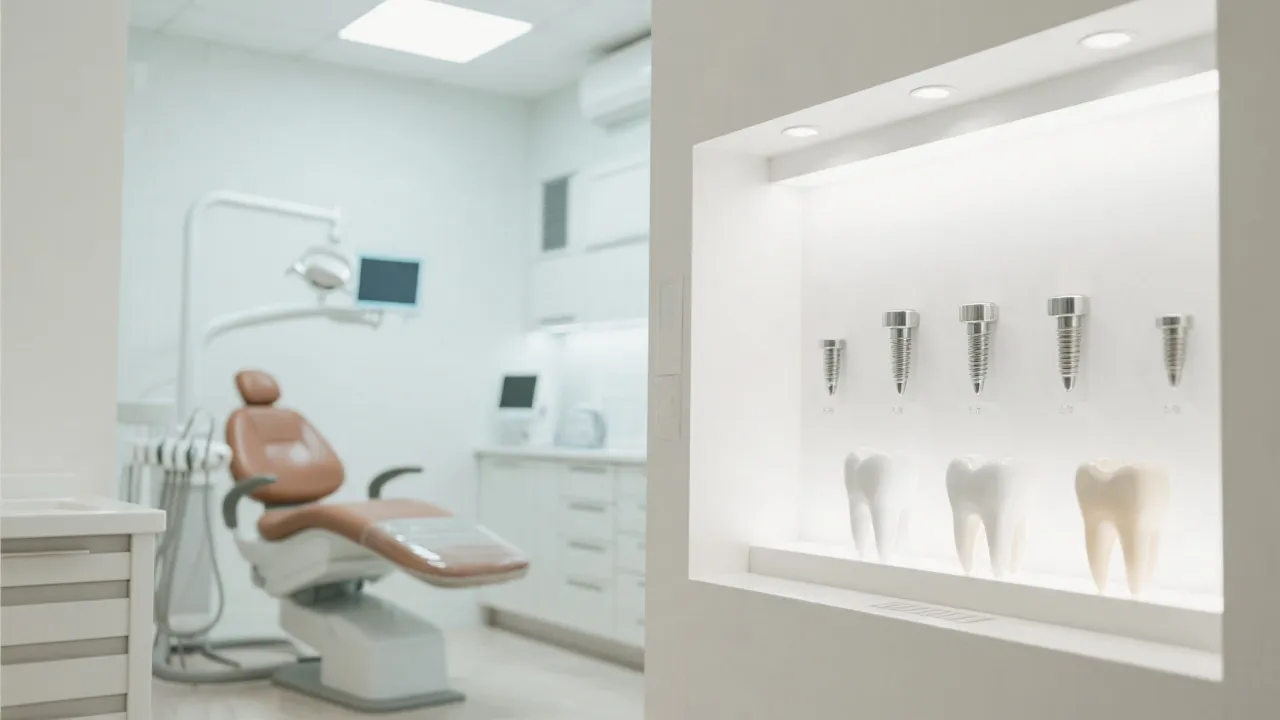
Comprehensive Guide to Low-Cost Dental Implants
This guide delves into the landscape of low-cost dental implants across English-speaking countries, highlighting access to affordable solutions for this popular oral health procedure. Dental implants are a good solution for missing teeth, offering people a long-lasting and stable alternative to dentures or bridges. With technological advances and varied global costs, affordable implant options are increasingly available.
Understanding Dental Implants
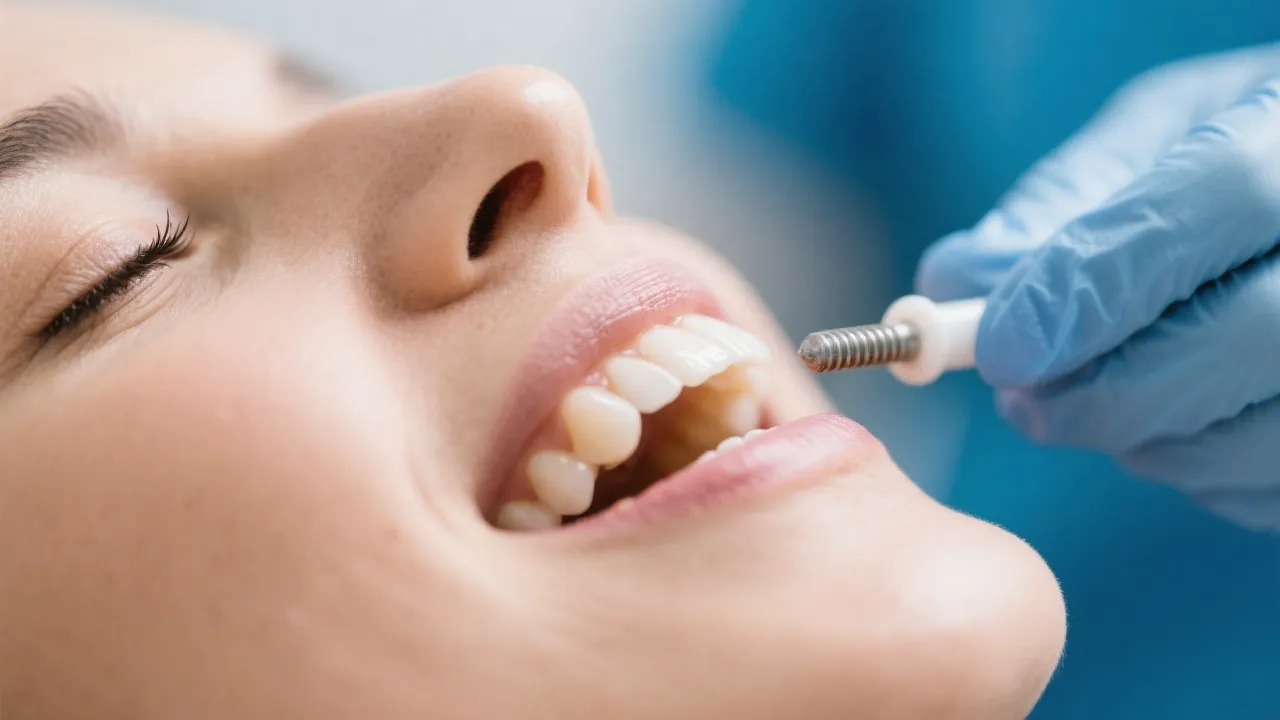
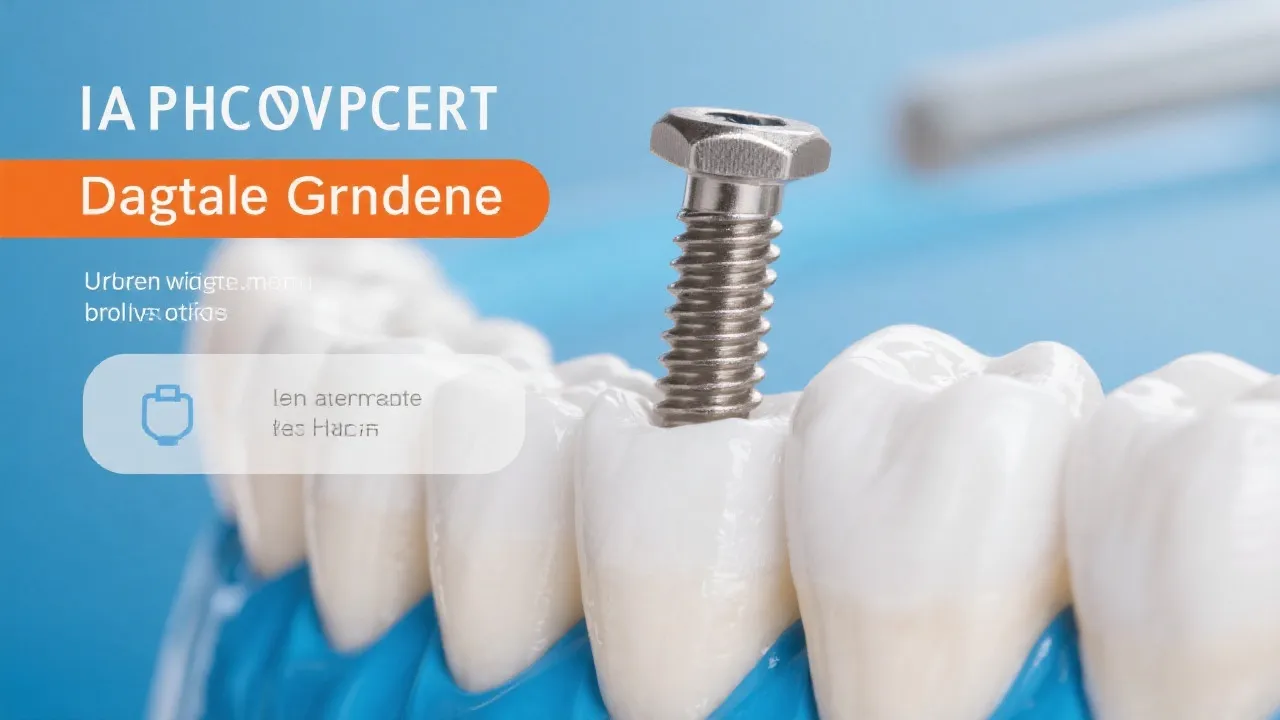
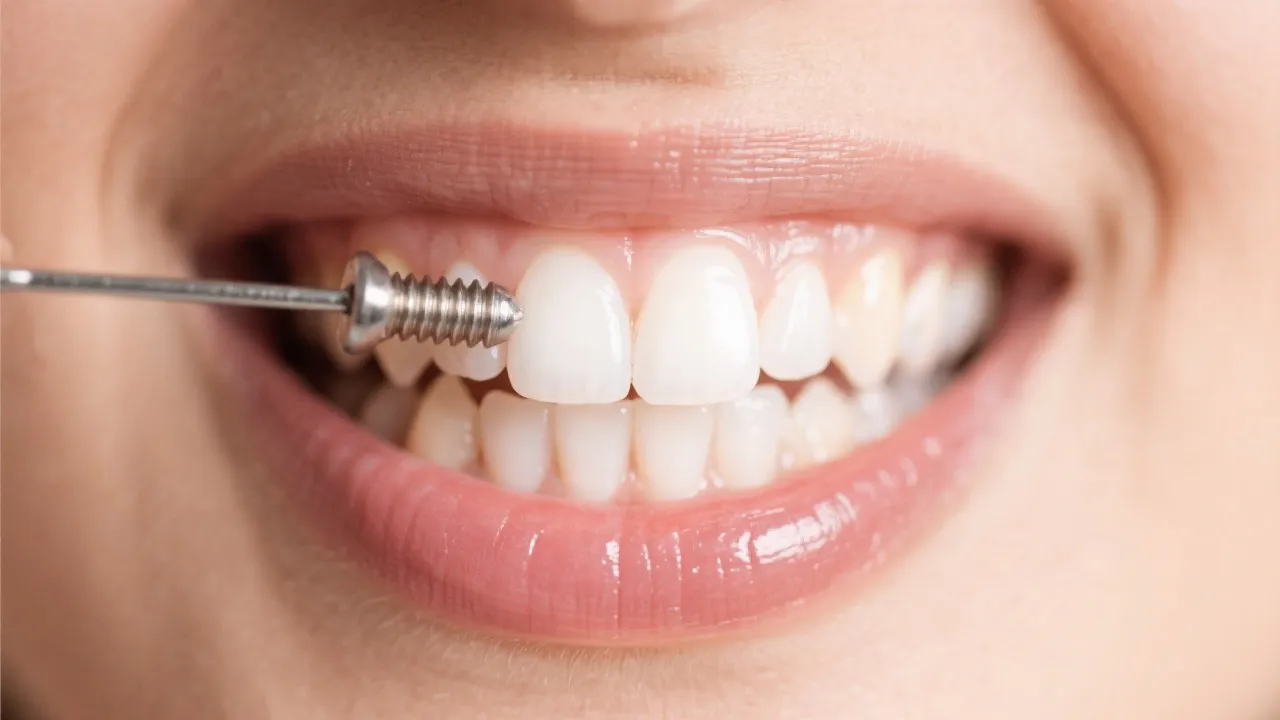
Dental implants are a widely recognized solution for replacing missing teeth, offering durability and functionality akin to natural teeth. This procedure involves the surgical insertion of a metal post into the jawbone, upon which a crown can be mounted. Implants not only improve the aesthetic appearance but also restore full oral function and help maintain jawbone health. This dual benefit—physical and cosmetic—makes dental implants an appealing choice for many individuals. They serve to prevent bone loss that typically occurs after tooth loss, thus supporting the surrounding bone structure and preventing further oral complications.
Types of Dental Implants
There are primarily two types of dental implants: endosteal and subperiosteal. Endosteal implants are the most common type, consisting of a metal post implanted directly into the jawbone. Once the bone heals around the post, a crown can be attached. Subperiosteal implants, on the other hand, are placed on top of the jawbone beneath the gum tissue. This type is generally utilized for patients who may not have enough healthy jawbone to support an endosteal implant and do not wish to undergo a procedure to graft bone.
Why Consider Dental Implants?
Dental implants are a preferred choice for people who have lost teeth due to injury, periodontal disease, or other reasons. Unlike dentures that can slip and make eating or speaking difficult, implants provide a stable fixture, offering comfort and ease. They are also incredibly durable, often lasting a lifetime with proper oral care. Moreover, dental implants function much like natural teeth, allowing for normal eating habits without dietary restrictions that are often associated with removable dentures. Many individuals report feeling more confident about their appearance and oral health after receiving implants, as they closely resemble natural teeth in both function and look.
The Process of Getting Dental Implants
The journey to obtaining dental implants generally includes several steps involving careful planning and execution:
- Consultation: The process begins with a detailed consultation where a dental professional assesses the individual’s oral health, reviews medical history, and discusses treatment options.
- Imaging: Using dental imaging techniques such as X-rays or 3D scans, the dentist can evaluate the condition of the jawbone and surrounding structures to plan for the implant placement.
- Preparation: If there is insufficient jawbone to support an implant, a bone graft may be necessary. This procedure involves placing artificial bone, which will fuse with the existing bone to create a solid base for the implant.
- Implant Placement: The dental surgeon will surgically place the implant in the jawbone. This requires local anesthesia and sometimes sedation to ensure comfort.
- Osseointegration: Over the next few months, the bone will grow around the implant in a process known as osseointegration. This step is critical, as it provides stability to the implant.
- Crown Placement: Once osseointegration is complete, a crown is custom-made and attached to the implant, completing the restoration process.
Cost of Dental Implants by Country
Dental implant costs can vary significantly depending on the country, the complexity of the procedure, and the chosen clinic. This table provides a general cost range within English-speaking countries:
| Country | Currency | Price Range |
|---|---|---|
| United States (US) | USD | $3,000 - $6,000 |
| United Kingdom (GB) | GBP | £2,000 - £2,500 |
| Australia (AU) | AUD | AU$3,500 - AU$6,500 |
| Canada (CA) | CAD | CA$3,000 - CA$5,500 |
Factors Influencing the Cost of Dental Implants
When considering the cost of dental implants, it's important to understand the factors that contribute to the overall price. Factors such as:
- Material Quality: The materials used for the implant and crown can significantly affect the cost. High-quality titanium implants and aesthetically pleasing porcelain crowns tend to be more expensive.
- Geographic Location: Different regions will have varying costs due to local economic conditions, the standard of living, and the pricing strategies of dental practices.
- Need for Additional Procedures: If there is a requirement for bone grafting, sinus lifts, or other preparatory surgeries, this will increase the overall cost of the treatment.
- Dentist’s Expertise: The experience and reputation of the dentist or oral surgeon also play a crucial role. Highly experienced professionals may charge more due to their expertise in complex cases.
Affordable Dental Implant Providers
| Website | Description |
|---|---|
| Dental Views | Offers low-cost dental implant solutions, including detailed information on types of treatments and their cost. |
| Atlantic Dental Group | Provides a wide range of dental services including implants, with options for easy access and booking information. |
| DentaVacation | A dental tourism website that offers cost comparisons for treatments abroad to help save money. |
Source: Dental Views, Atlantic Dental Group, DentaVacation
Steps to Obtain Low-Cost Dental Implants
Securing low-cost dental implants can be achieved through several avenues:
- Research and Compare Clinics: Investigate local and international clinics, review their credibility, and compare their pricing structures. Many clinics now provide transparent pricing on their websites, allowing prospective patients to make informed decisions.
- Explore Dental Tourism: Traveling to countries offering high-quality care at lower prices can be a viable option when balanced with travel costs. Many countries, such as Mexico, Costa Rica, and Hungary, have built a reputation for excellent dental care at significantly reduced rates, often attracting international patients.
- Insurance and Payment Plans: Engage with dental insurance providers to explore coverage or consider clinics offering installment payment plans. Some practices may also offer to finance through third-party companies that specialize in medical costs.
Frequently Asked Questions
- What affects the cost of dental implants? The cost can be affected by factors such as the type of implant, the need for additional procedures (like bone grafting), and the expertise of the dental professional. Furthermore, geographical variations and the materials used can significantly influence the final billing.
- Are there risks with low-cost implants? While affordability is important, ensuring that the clinic is reputable and the dental professionals are qualified is crucial to the success and safety of the procedure. Low-cost options should not compromise safety and quality; thorough vetting of credentials is essential.
- Can I get assistance with implants? Various insurance plans may cover part of the cost, and some clinics offer financing options to make payments more manageable. It's advisable to contact your insurance provider directly to understand your benefits fully.
Aftercare for Dental Implants
After undergoing dental implant surgery, proper aftercare is crucial to ensure the longevity and success of the implant. Here are some essential aftercare tips:
- Follow Post-Operative Instructions: Your dentist will provide specific instructions for care following the procedure. Following these guidelines meticulously is important for healing.
- Maintain Oral Hygiene: Keeping the mouth clean is vital. Regular brushing and flossing can help prevent infection at the implant site.
- Monitor Your Health: Report any unusual signs such as excessive swelling, persistent pain, or signs of infection to your healthcare provider. Early intervention is key in addressing complications.
- Regular Dental Check-Ups: Schedule routine visits to your dentist to monitor the condition of your implant and overall oral health.
- Avoid Smoking and Excessive Alcohol: Both smoking and excessive alcohol consumption can negatively impact the healing process.
Long-Term Benefits of Dental Implants
While dental implants often represent a substantial initial investment, the long-term benefits can outweigh the costs. These benefits include:
- Durability: Dental implants can last a lifetime with proper care, while traditional dentures may need replacement every 5-10 years.
- Improved Oral Health: They help maintain jawbone integrity, preventing bone loss that can occur with missing teeth.
- Natural Functionality: Dental implants allow individuals to eat and speak naturally without the challenges that removable dentures can cause.
- Enhanced Quality of Life: Many patients report improved self-esteem and confidence after receiving implants due to their natural appearance and function.
The Future of Dental Implants
As technology advances, the field of dental implants is constantly evolving. Some promising developments include:
- Digital Impressions: The use of 3D imaging allows for more precise custom-fitted crowns and better planning for implant placements.
- Biomaterials: Research into new biomaterials that can promote faster healing and osseointegration is ongoing, potentially reducing recovery times.
- Minimally Invasive Techniques: Innovations in minimally invasive surgical techniques are helping to reduce discomfort and recovery times associated with implant procedures.
Final Thought
Choosing the right provider for dental implants is a significant decision that impacts both your health and finances. By researching thoroughly and considering all options, it's possible to find an affordable solution that doesn't compromise on quality. As the field of dental care continues to advance, access to affordable treatments is likely to expand, providing hope for individuals seeking this invaluable oral health solution. Experiencing improved quality of life and health through dental implants can be a transformative journey that enhances not only oral functionality but overall well-being.
Reference Links: